 Bandcamp
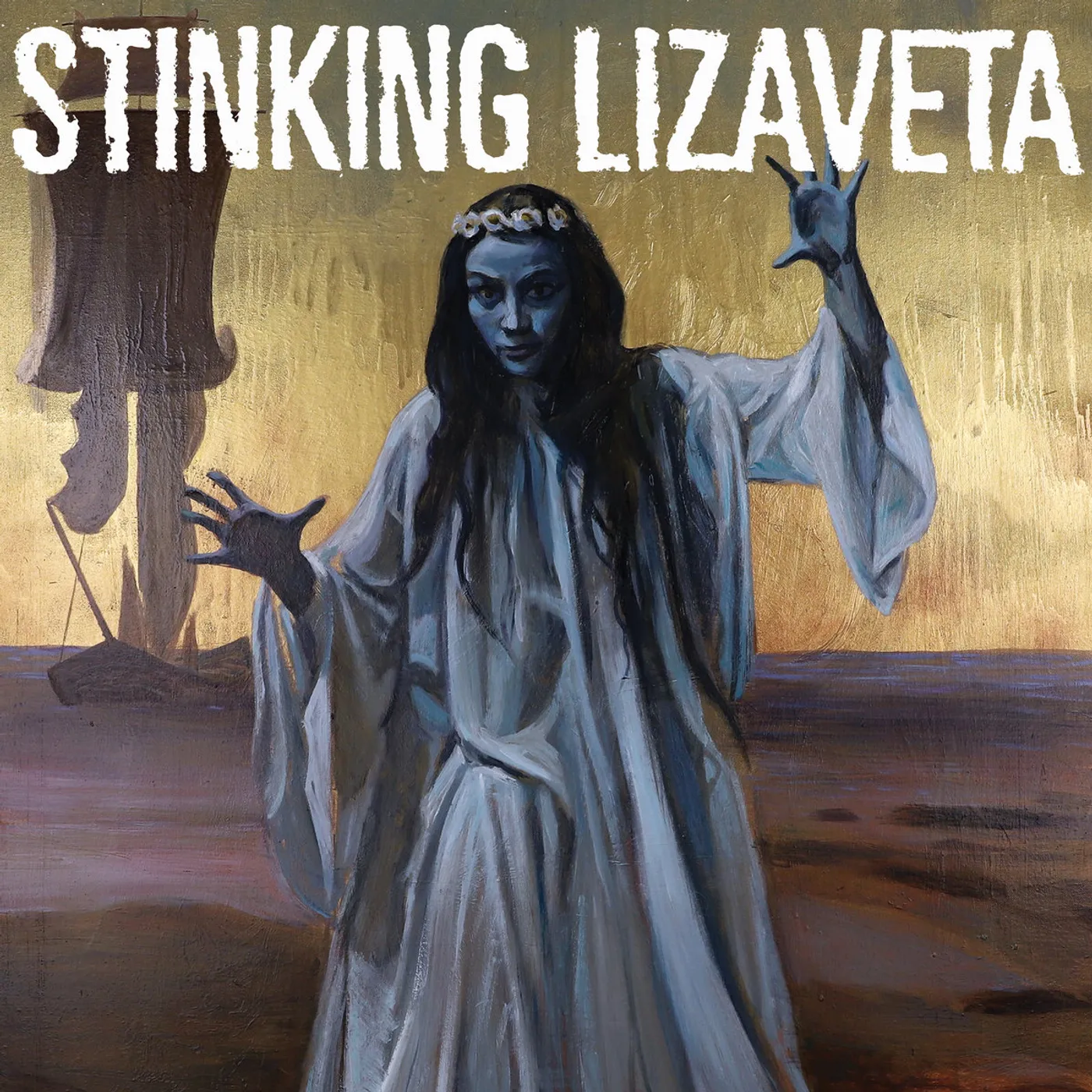
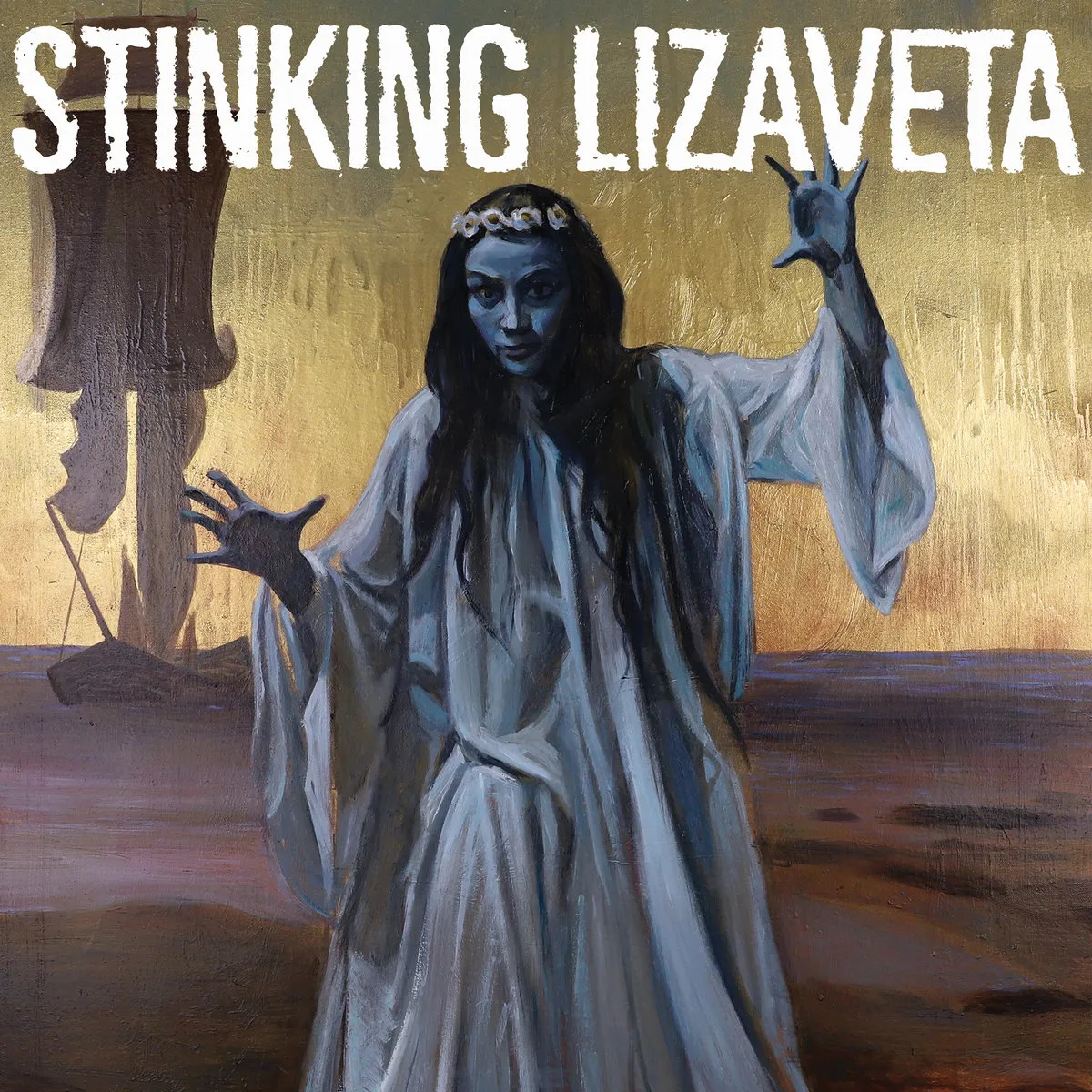
 Cassandra was given the gift of true prophecy and the curse that nobody would ever believe her. Stinking Lizaveta have made their tenth album, named it after her, and put a track called “Never to Be Believed” at the end of it. For a band thirty years into a career spent almost entirely outside anybody’s spotlight, that is either a very dry joke or the most direct thing they have ever said about themselves.
Three people: Yanni Papadopoulos on guitar, his brother Alexi on upright electric bass, Cheshire Agusta on drums. No singer, and the line-up has not needed one since the band formed in the basements of West Philadelphia in the nineties. The upright bass is the thing that makes them sound like nobody else, a fretless woody growl where a metal record would normally have a distorted floor.
The record gets slower on purpose
Eight tracks, twenty eight minutes, and the shape is a descent. The opening three are brisk, tight and dry, two and a half to three and a half minutes each, with their tonal weight sitting notably higher up the register than anything in the second half. They are good and they are not what you will remember.
From “Cassandra, Prophet of Doom” onward the album drops. The title track carries more weight at the bottom than anything before it and lets the room in, with reverb on the drums and the solos that the first half refuses. “Never to Be Believed” takes it further: it is the darkest thing here by a clear margin, the quietest in average level, and the most organic sounding, with the loudness left alone in a way the opening tracks were not. The curse gets the last five minutes and the band play it like a funeral rather than a punchline.
Sat in the middle of all this is “Lindsay Wagner Intro”, a separate seventy second track before the song it introduces. It is by far the quietest and peakiest thing on the record, which is what a sparse passage measures like, and it is also the one sequencing decision I would argue with. Splitting a one minute introduction into its own track on a twenty eight minute album is the kind of choice that made sense on vinyl in 1998.
What thirty years buys
Mostly, the ability to stop proving things. The playing here is unflashy in a way that only happens when a band has nothing left to demonstrate, and the record was recorded and mixed by Steve Roche with James Plotkin mastering, which is about as unglamorous and as reliable a chain as this music gets. Nothing is overcooked. “Sherman’s March” is the one moment the band sound like they are enjoying themselves at volume, and it is the brightest of the second half.
What you do not get is development inside the songs. These are riff pieces that state a thing, turn it over and stop, and across the first half that means three tracks pass without the album ever opening up. For a trio with this much chemistry the lack of long form is a choice, but it is also the thing keeping the record from being more than very good.
So
Recommended, with one clear reservation. The back half of this album is excellent and the ending earns the title in a way almost no concept gesture does, but you have to get through a brisk, dry opening stretch that sounds like a different and lesser record to reach it. If you have never heard this band, start at track six and work backwards. If you have, you already know what the upright bass does, and it still does it.
The album divides cleanly into halves. The first three tracks hold their tonal centre around two kilohertz with quiet-to-loud distances between five and ten decibels, dry and tightly held. From the title track onward the picture drops: “Cassandra, Prophet of Doom” carries the most energy below 250 hertz on the record at just over thirty percent, and “Never to Be Believed” has the lowest tonal centre by a wide margin, the lowest average level of any full track, and the most headroom left in its master. “Sherman’s March” is the widest swinging of the second half at nearly eighteen decibels. The outlier on every axis is “Lindsay Wagner Intro”: it sits far below everything else in level, carries the highest tonal centre and the most energy above five kilohertz on the album, and its peaks stand nineteen decibels clear of its average, which is the signature of a sparse passage rather than a band playing.
Standout tracks: Never to Be Believed, Cassandra Prophet of Doom, Sherman’s March