 Bandcamp
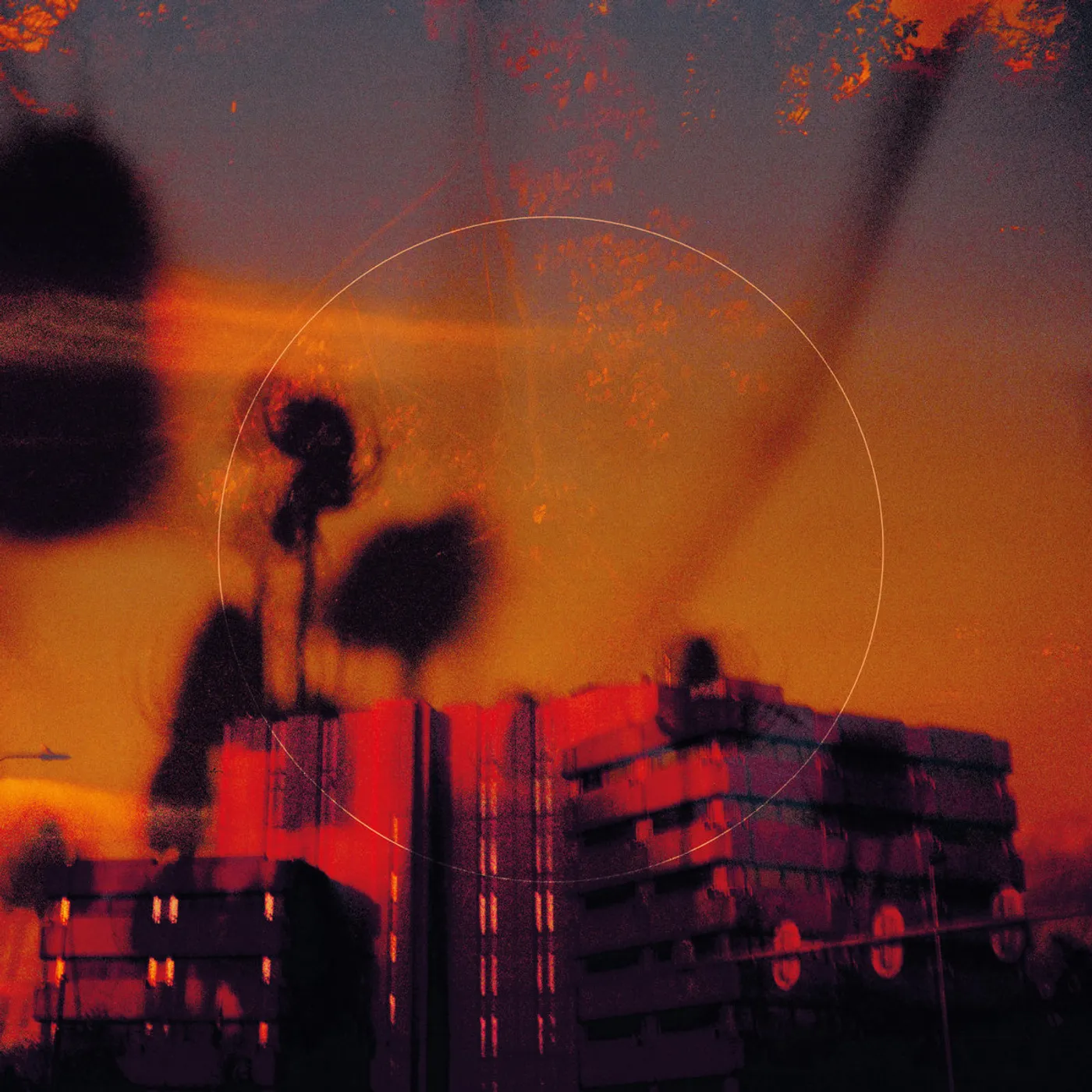
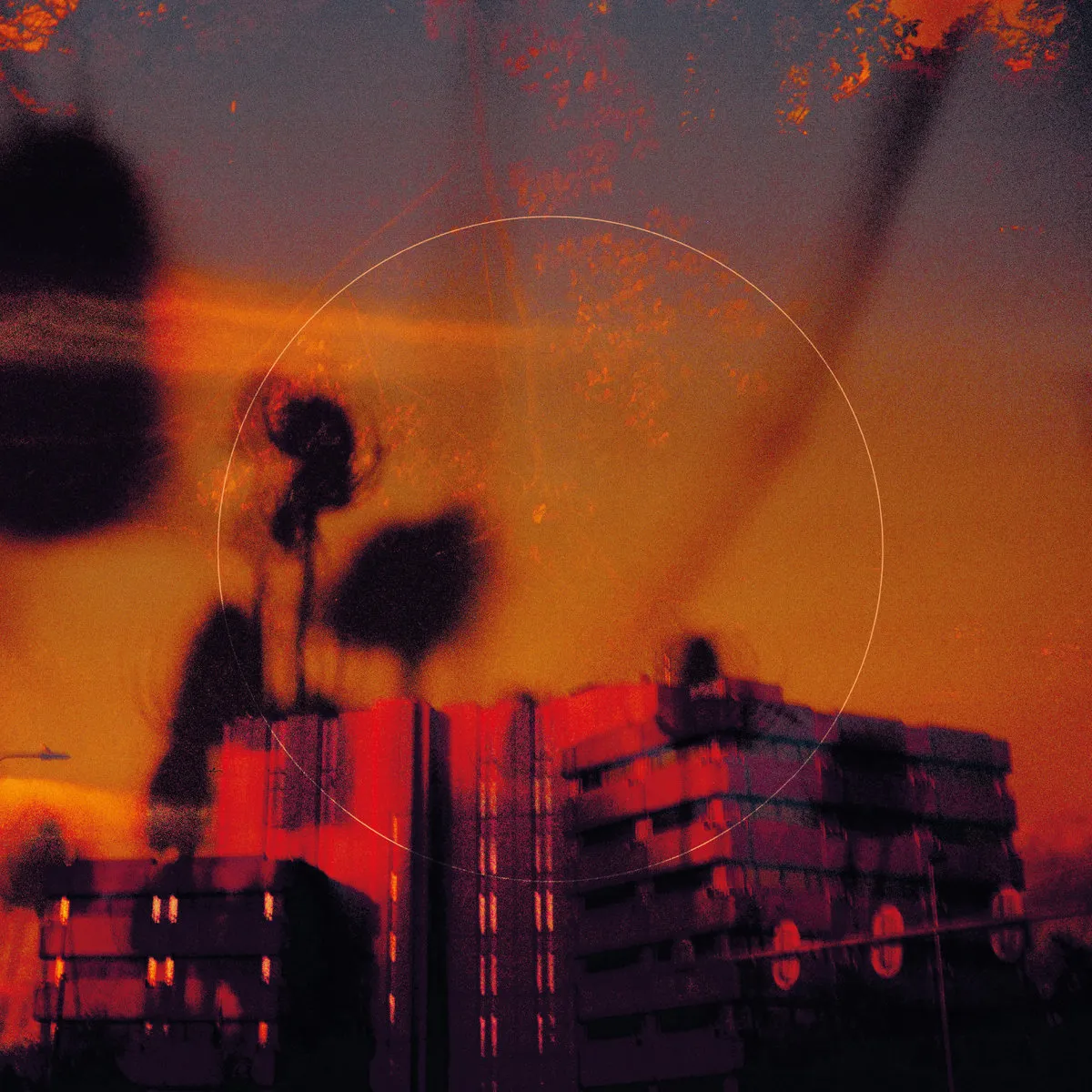
 The title is a tell. Matsutake is the mushroom that grows in clear-cut forests, in disturbed soils, in places where the old growth has been logged and the ecosystem broken. Anna Tsing’s 2015 book The Mushroom at the End of the World uses it as a figure for life that persists in capitalist ruins, the collaborative survival that happens after the supposedly self-sufficient systems collapse. Bismut, the Nijmegen instrumental heavy psych trio, name their fourth full-length after that mushroom. The conceptual frame is doing real work.
The band is Nik, Peter and Huibert, a power trio that has spent close to a decade developing their language across Schwerpunkt (2018), Retrocausality (2020) and Ausdauer (2023). Matsutake is their first album recorded live at Galloway Studio in October 2025, mixed by Sebastiaan van Bijlevelt, with the band’s own caveat that the music is “partly improvised, as we do.” That live-tracking approach is the project’s most consequential production decision. The six pieces feel argued through in real time rather than constructed in layers, and the looseness around the edges is exactly what the matsutake metaphor requires.
The Six Tracks As Forest Floor
“Alienation” opens with the most insistent groove on the record, the kind of mid-tempo locked-in pocket that suggests Earthless or Elder if they were a little hungrier. “Neugier”, German for curiosity, follows with a more agitated and angular shape, riffs that don’t settle and a rhythm section that keeps shifting weight. “Assemblage” is the album’s clearest argument for what the trio can do compositionally: a long-form heavy-psych piece where the dense wall passages and the atmospheric breaks talk to each other across the runtime rather than just alternating.
“Contamination” pushes the band closest to outright stoner-rock muscle, the four-minute mid-album cut where the riff is the whole point. “(Potentially) Immortal” pulls back into a more spacious, fuzzed-out heavy-psych mode, the kind of patient organic-room production that earns the “Earthless in conversation with Bismut” comparison the band’s catalogue keeps drawing. “Salvage” closes the album with the most fragmented and exploratory writing, a piece that ends on dissolution rather than resolution. That’s the right ending for a record named after the mushroom that grows in ruins.
The Live-Tracking Argument
Production-wise the album sits in dense, mid-focused territory throughout. Guitars carry heavy saturation that prioritises texture over surgical note separation; bass holds its own articulate voice in the rhythm-section pocket rather than fusing into low-end support; drums are recorded with proper room sound, real snare body, real kick attack. The live-tracking approach pays off most clearly on “Assemblage” and “(Potentially) Immortal,” where you can hear the three musicians playing against each other rather than around overdubs.
The trade-off, predictable for a live recording at this loudness, is that the busiest sections accumulate some frequency stacking in the low-mids and the cleaner moments could occasionally use a little more air. None of that breaks the record. The trio’s commitment to the longer-form patient construction and to the looser dynamic argument is exactly what the concept needs.
Six tracks recorded live in the studio, mixed with mid-range emphasis and dense low-mid weight. Guitars stay heavily saturated across the album but the chord articulation reads through; bass occupies its own voice in the rhythm-section pocket, throaty and tight against the kick; drums have natural room ambience with proper snare body and kick attack that registers as drum, not as sample. The looser moments -- especially “(Potentially) Immortal” and the closing “Salvage” -- keep enough dynamic headroom for the quieter passages to register; the louder cuts (“Alienation,” “Neugier”) lean denser and tighter, with more frequency stacking around the upper-mids. The vocal elements (where present) sit embedded as additional textural layer rather than placed above the wall, which is consistent with the band’s instrumental-leaning identity. The live-tracking philosophy is the album’s defining production decision and pays off best on the long-form pieces.
Standout tracks: Assemblage for the long-form heavy-psych piece where the trio’s interplay develops most fully. (Potentially) Immortal for the patient fuzz-out that earns the Earthless comparison. Salvage for the closer that lets the album exit on fragmentation rather than impact.
Matsutake is the kind of fourth full-length that confirms a trio’s standing in the European underground heavy-psych scene. The conceptual frame is genuinely worked through, the live-tracking approach is the right move, and the six pieces work as a coherent set across forty-something minutes. Recommended without reservation, especially if you appreciate heavy psych that takes its references (both musical and conceptual) seriously.