 Bandcamp
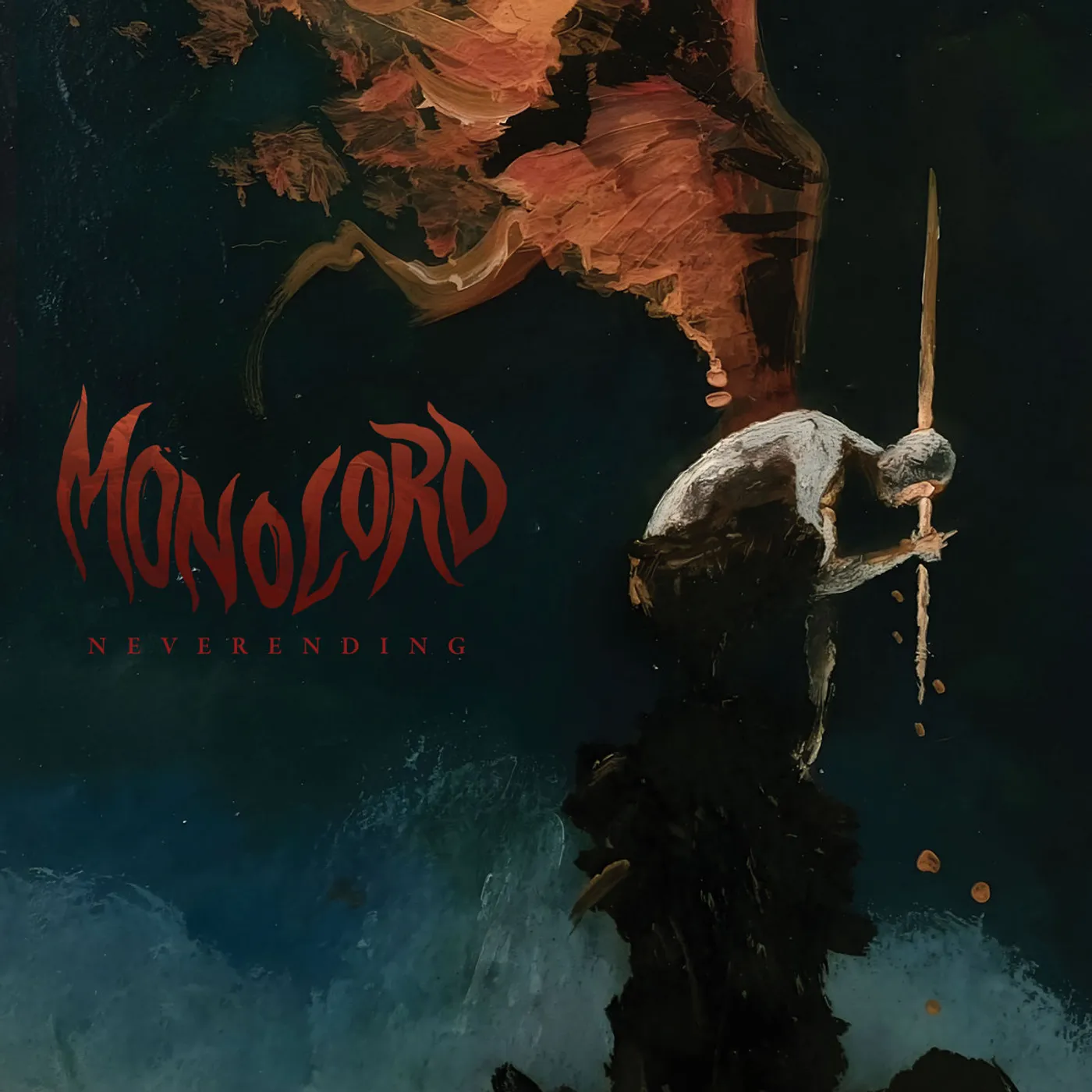
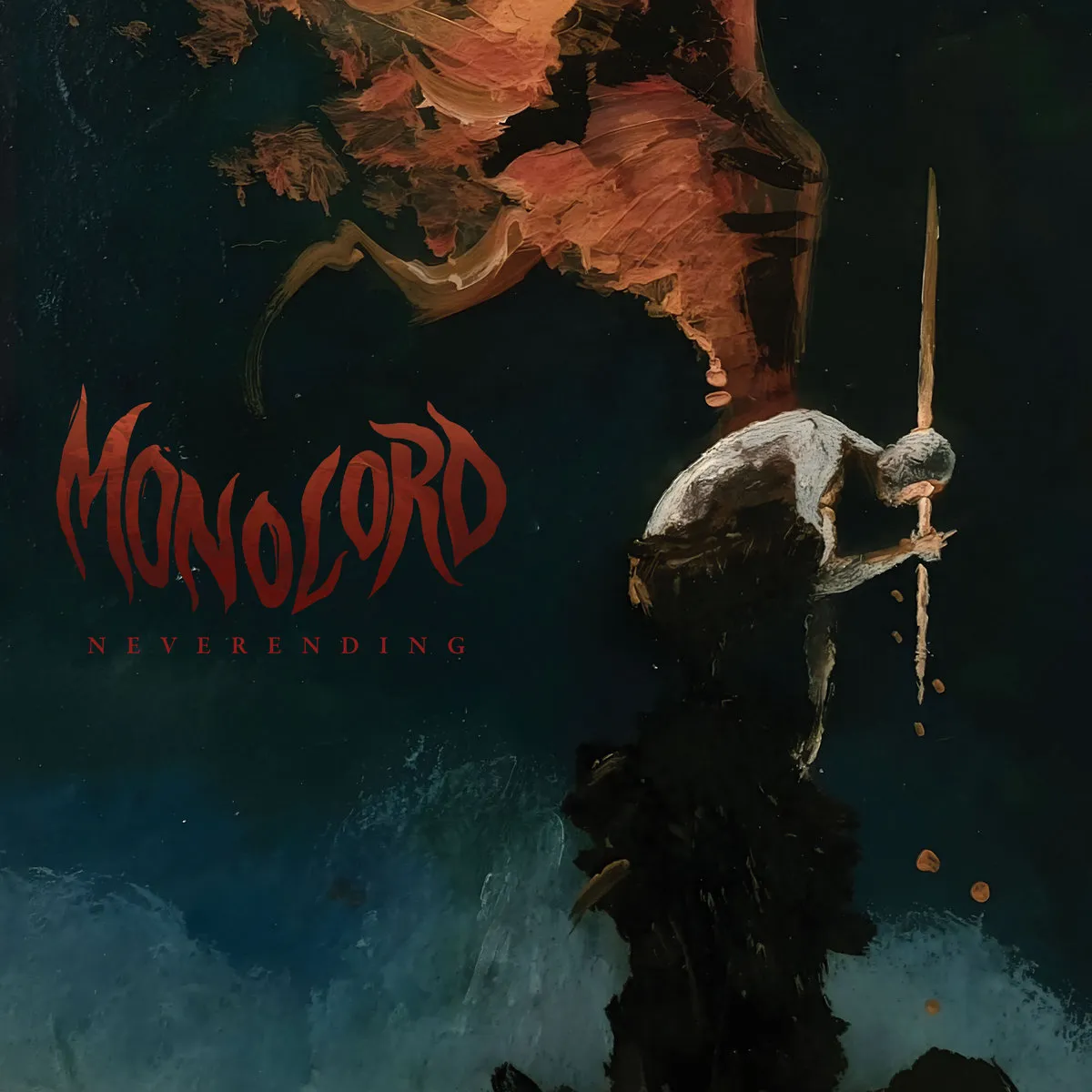
 The headline on Neverending is the producer. Sylvia Massy, the engineer behind Tool’s Undertow, System of a Down’s debut and a long list of records that defined a particular kind of weird-textured American heavy, has put the Gothenburg trio Monolord on tape for their fifth album. That is a significant move for a band whose previous work has been more or less defined by Magnus Lindberg’s polished-modern stoner-doom production at Redmount, and on the evidence of these eight tracks Massy has pushed Monolord into a sound that is, depending on the song, either the heaviest they have ever recorded or the warmest, with surprisingly little in between.
The two halves of the record
The album splits cleanly. The first half lives inside a loud, hot master where the rhythm guitars saturate into a continuous wall and the kick clicks rather than thumps; “Iodine” and “Crystal Bridge” sit there, the latter with audibly tuned cleans that pin Thomas Jäger above an instrumental bed already crowded by limiter pumping. Then “You Bastard” cuts straight through this thicket: a balanced, dry mix, the bass knurrig and forward, Jäger’s vocals defined and central, the drums punching organically. It is, for a few minutes, the version of this record where Massy’s instincts about analog presence and frequency space win out cleanly.
The back half doubles down on that warmer side. “Oozing Wound” runs almost entirely on a vintage, mid-focused analog room sound, the cymbals dark instead of harsh and the master breathing where the front half could not. “Invisible” goes the other direction into deliberate lo-fi rawness with screamed vocals buried in room reverb, a Monolord experiment more than a Monolord song. The closing “It’s Neverending” is the cut that sounds like the record this could have been start to finish: balanced bass, a tight kick that actually has weight, vocals shifting between deep gutturals and an atmospheric clean that for once is allowed to register, dynamic motion across eight and a half minutes that the loud-mastered tracks structurally cannot deliver.
The defining production characteristic of Neverending is the inconsistency between songs, which reads as deliberate rather than accidental and is the most interesting thing about the record sonically. The loud-mastered tracks (“Iodine,” “Inside a Collider,” “Crystal Bridge,” “The Masque”) share a recurring pattern: heavily saturated rhythm guitars stack at 200 to 400 Hz so the bass loses contour, kick relies on click in the upper-mids rather than low-end punch, cymbals push toward sibilant harshness, and the limiter flattens dynamic motion. The lo-fi outlier “Invisible” trades polish for rawness with vocals buried deep in room reverb and an indistinct low end. The other four cuts pull the opposite way: “You Bastard” runs a notably balanced dry mix with a forward knurrig bass and an aggressive snare punch; “Oozing Wound” leans into a vintage analog room sound with unprocessed dynamics; “It’s Neverending” arrives at the best balance of the record with controlled bass, a kick with actual physical weight, and vocals shifting cleanly between guttural and atmospheric registers. Massy’s hand is most visible in the back-half analog warmth, least in the heavily mastered openers; the album as a whole holds the contradiction without resolving it.
Standout tracks: It’s Neverending for the eight-and-a-half-minute closer where everything lands. You Bastard for the cleanest, most balanced mix on the record. Oozing Wound for the analog warmth that points to the album Massy might have made if she had been given the front half too.
If you want classic loud-mastered modern Monolord, start at “Iodine” and stop at “Crystal Bridge.” If you want the record Massy seems to have actually been hired to make, skip ahead to “You Bastard,” “Oozing Wound” and the title closer. The verdict depends on which half you weight, and a band a decade and five albums in choosing to put both on the same record is more interesting than a band committing to either one.