 Bandcamp
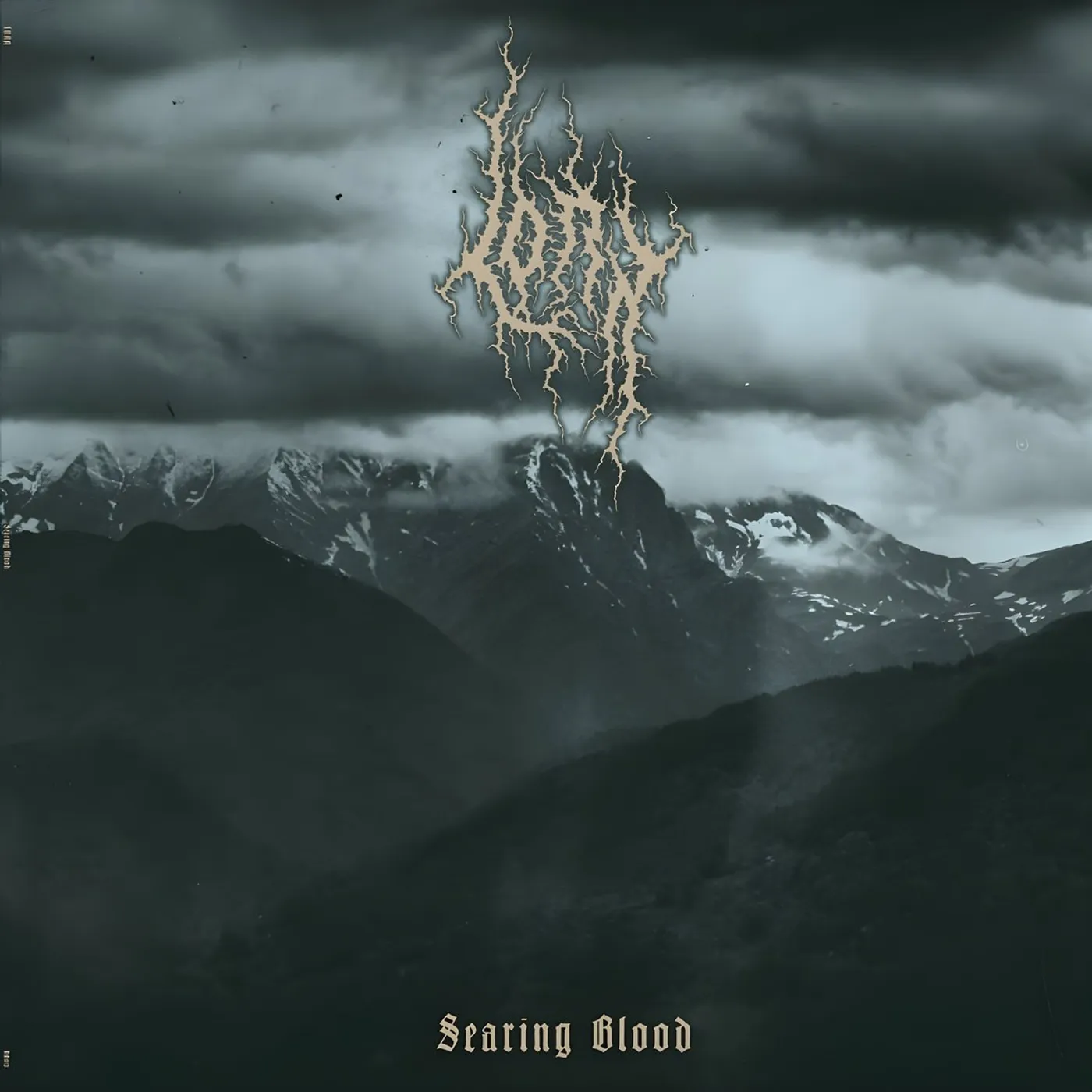
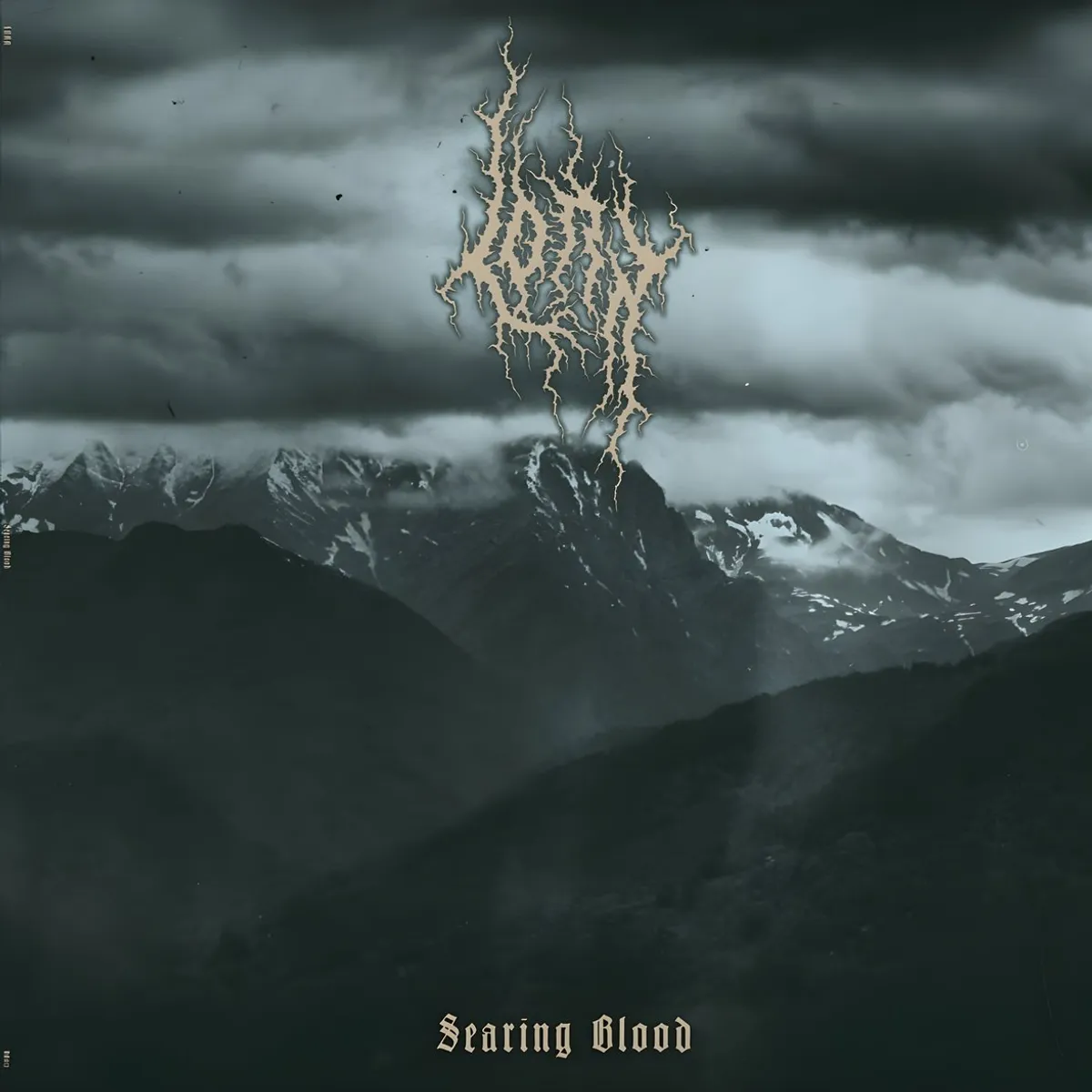
 Lorn is the long-running Italian black metal solo project of Radok, working out of Prali in the Piedmont Alps. Searing Blood, released May 15 on I, Voidhanger Records (the established Italian underground imprint that has built one of the most consistent avant-black-and-death catalogues across the last decade), is the project’s fourth album and the first since 2017’s Arrayed Claws -- an eight-year gap that the band’s own framing positions as deliberate retrenchment rather than absence: “to represent a return to the known, to tradition, starting from fundamental cornerstones: simplicity, melody, and concepts more oriented towards metaphysical infinity.” Radok handles guitars, bass, keys and vocals; Gianni Pitzalis sits in on session drums.
The album was recorded in 2023 and mixed/mastered in 2025 at Radok’s Stravert Studio -- a two-year gap between recording and final mastering that’s longer than most solo-project timelines and that gives Searing Blood a different production temperament than the contemporary brick-walled-immediately-mastered black-metal norm. Six tracks across thirty-nine minutes: “Searing Blood” at five and forty-nine, “Haderburg” at two and twenty-two, “Leuchtenburg” at eleven and thirteen, “Gallows” at nine and thirty-five, “Ordo Draconis” at three and fifty-eight, “Threshold’s Tragedy” at six and thirty-nine.
What the Album Does
“Searing Blood” opens the record in deliberately lo-fi raw-black mode: dense fuzzed guitars merging with bass into a single monolithic mid-band, room-mic’d drums with a clattering snare and unfocused kick, vocals buried deep into the wall as atmospheric texture rather than as positioned lead. The track functions as setting-of-terms -- this is the raw-black register the project will work in. “Haderburg” at two and twenty-two compresses the same vocabulary into the album’s tightest cut.
“Leuchtenburg” at eleven and thirteen is the album’s longest piece and the closest the band gets to the atmospheric register the project’s own self-description names. The track contains an extended cathedral-reverb middle section bracketed by the raw-black wall passages -- the kind of slow-burn dynamic argument that the genre rewards. “Gallows” at nine and thirty-five is the album’s second long-form piece and arguably its most fully realised: dense fuzz-wall opening giving way after the first third to a minimalist clean-bass-and-bells ambient passage, the kind of structural rupture that distinguishes serious atmospheric black projects from straight raw-black exercises.
“Ordo Draconis” at three and fifty-eight returns to short-form compression; “Threshold’s Tragedy” at six and thirty-nine closes the album in mid-length form with the project’s full vocabulary on display.
The Production Frame
Across the six tracks the production sits in the deliberately lo-fi raw-black tradition -- dense, mid-focused, fuzz-saturated to the point of monolithic, with mastering loudness pushed contemporary-loud and dynamic range largely sacrificed. That’s the lineage Lorn work in, and the album commits to it. Where Searing Blood differs from straight raw-black is in the willingness to break the wall on the longer pieces (“Gallows” middle ambient passage, “Leuchtenburg” cathedral-reverb passages) -- the structural rupture is what places the project in the atmospheric-black corner rather than the raw-only corner.
The reservations are the genre’s standing ones at this register. The brick-walled mastering on the heaviest passages limits the dynamic argument; frequency stacking in the low-mids removes string definition; vocals buried as texture sacrifice intelligibility. The trade-offs are deliberate aesthetic commitments rather than engineering failures, but they limit the album’s broader appeal to the listener already attuned to the genre’s interior.
Six tracks across thirty-nine minutes. Radok handles guitars, bass, keys and vocals; Gianni Pitzalis on session drums. Recorded 2023, mixed and mastered 2025 by Radok at Stravert Studio. Mix philosophy across the album is deliberately lo-fi raw-black: dense fuzz-saturated guitars merging with bass into single mid-band texture on the heaviest passages, clattering room-mic drums with limited kick definition and metallically harsh cymbals, vocals (predominantly guttural growls) buried deep in the wall as atmospheric texture rather than positioned lead. Mastering loudness is pushed contemporary-loud with the dynamic range largely sacrificed on the heaviest cuts. The longer pieces (“Leuchtenburg,” “Gallows”) break the wall in their middle sections with cathedral-reverb atmospheric passages and minimalist clean-bass-and-bells ambient sections -- these structural ruptures are the album’s strongest production moments and the cuts where the dynamic argument actually develops. Frequency stacking in the low-mids is the consistent trade-off across the heavier sections; the cleaner atmospheric breaks have proper spatial depth that the rest of the album doesn’t reach for.
Standout tracks: Gallows for the nine-and-a-half-minute centrepiece’s structural rupture from raw-black wall into minimalist clean-bass-and-bells ambient. Leuchtenburg for the eleven-minute long-form piece with the album’s most fully realised atmospheric register. Searing Blood (title track opener) for the project’s setting-of-terms raw-black vocabulary.
Worth your time if you appreciate Italian atmospheric/raw black metal that takes the genre’s tradition-versus-rupture dialectic seriously, and if I, Voidhanger Records’ broader catalogue (Bekor Qilish, Ad Nauseam, the wider avant-black continent the label curates) speaks to you already. Searing Blood is the kind of return-to-tradition fourth album that doesn’t try to expand the project’s vocabulary so much as consolidate it across a two-year studio gap that gives the production its specific temperament.