 Bandcamp
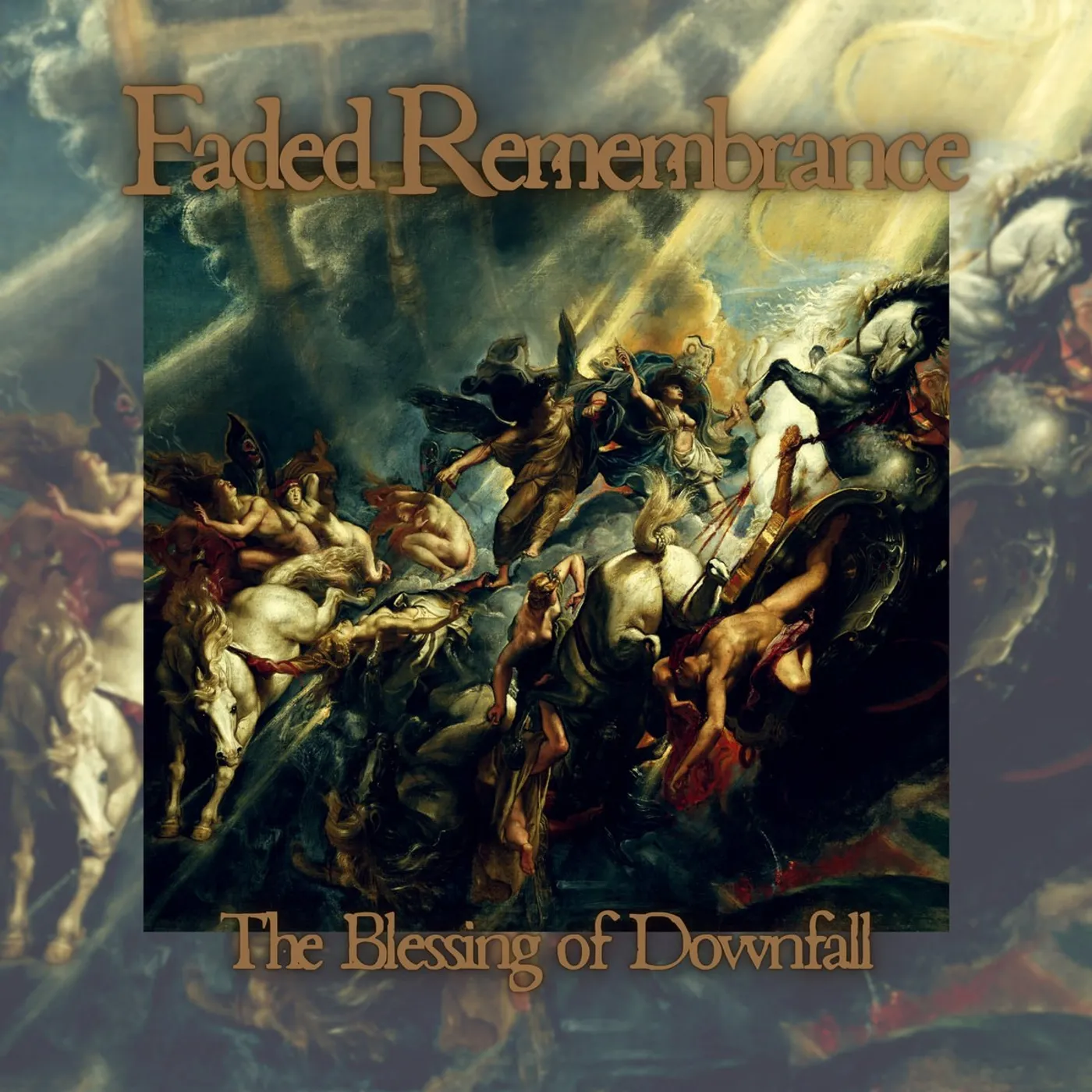
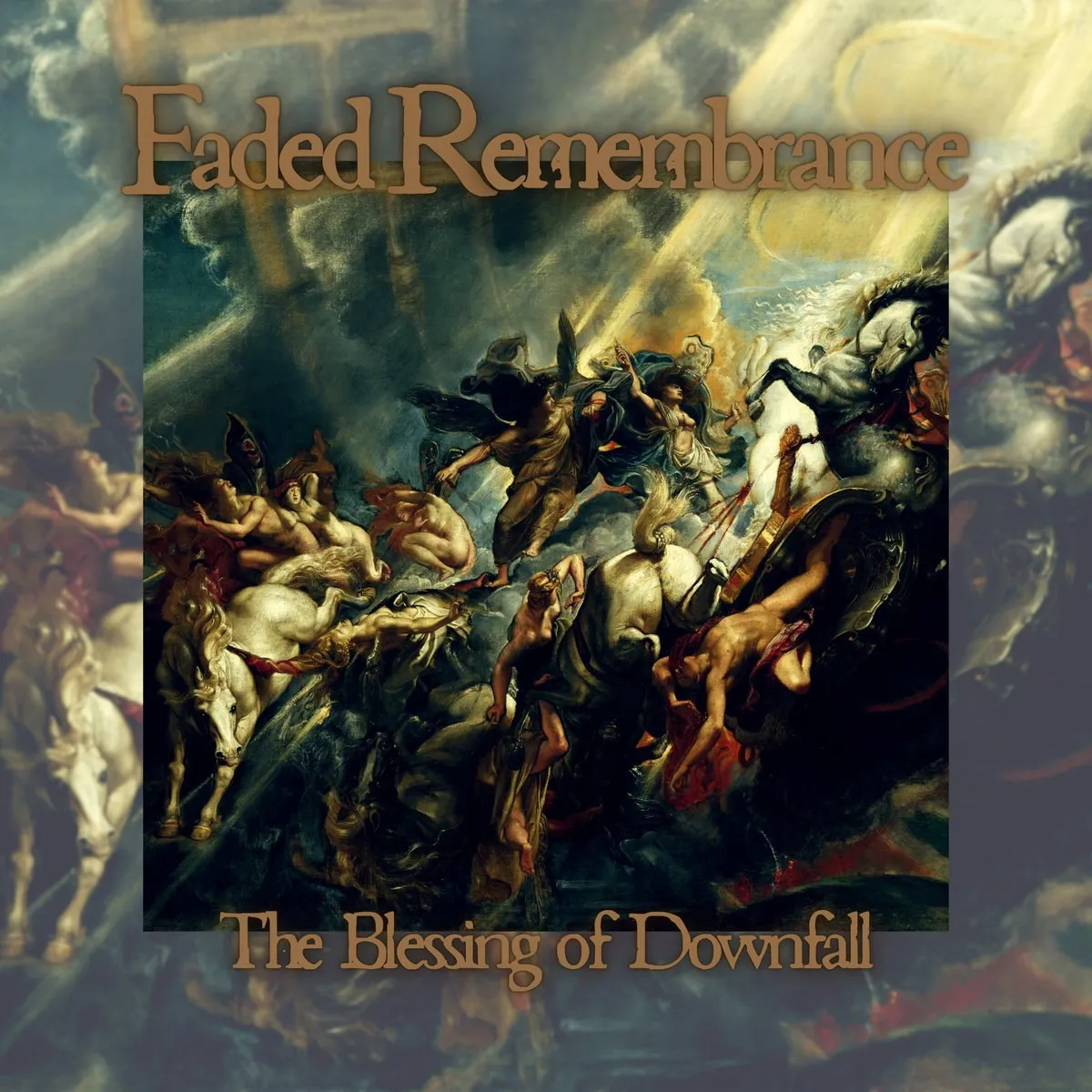
 Faded Remembrance is the solo project of Tamás Géza Albert from Győr in northwest Hungary, working an atmospheric doom-with-brass approach that doesn’t have a lot of company in the European underground. The Blessing Of Downfall, released May 15 on Bitume Prods (the French label that has been running steadily as one of the genre’s smaller-scale curators), is the project’s new full-length and the third Faded Remembrance album since the project started in early 2020. Tamás handles everything himself: composition, recording, all instruments, mixing, mastering, even the artwork. Nine tracks, fifty-five minutes and forty-three seconds, BCD042 in the Bitume Prods catalogue.
The Bandcamp framing names the reference point directly: “slow and heavy music supported by a trumpet, a trombone and a synthesizer that is reminiscent of the band Pan Thy Monium.” For listeners who don’t know the reference: Pan Thy Monium was the Swedish death-doom-jazz-prog side project of Edge of Sanity members from the early-to-mid 1990s, whose use of brass and woodwinds in extreme metal contexts has remained the canonical example for any underground doom project trying to use horns. Tamás clearly knows the lineage; the question is whether he can stand in it.
What the Brass Does
The brass-and-synth approach is the album’s distinguishing feature, and it’s strongest where Tamás lets the horns lead rather than where he treats them as colour over the doom-metal foundation. “The Blessing Of Downfall” as opener at seven and two seconds establishes the album’s vocabulary: a slow, heavy doom foundation with brass and synthesizer threading through atmospheric passages. “Shadowhaunt” at five and forty-four pushes furthest into the genre’s gothic-metal lineage; “Glimmering Hope” at six and seventeen is the album’s most synth-forward cut, with the brass present but less foregrounded. “At The Gates Of Avalon” at five and fifty-one is the album’s most successfully dynamic piece, with the harshest vocal performance and the cleanest contrast between the trumpet/trombone arrangements and the heavy-guitar passages.
The back half goes further into atmosphere. “Deep In The Forest” at five and fifty-six leans most explicitly cinematic; “Requiem” at five and thirty-four is the album’s quietest piece, with the brass and synth carrying almost the entire arrangement. “Thoughts Of Disobedience” and “Pride Far Gone” return to the heavier doom register; “Slumber In The Darkness” at six and fifty closes the album with the most atmospheric production decision on the record, electronic ambient passages bracketing the final heavy explosion.
The Production
The production is where the album’s solo-project context shows most clearly. Tamás records, mixes and masters everything himself, and across the nine tracks the production sits in deliberately lo-fi territory: dense, mid-focused, with the brass and synth carrying the album’s spatial argument and the guitars-and-bass functioning more as textural foundation than as articulate independent voices. The vocal placement is split between deeper-in-the-mix harsh-guttural passages and forward-placed cleaner moments; the brass-and-trombone tracks sit clean in the upper-mid range; the drums vary between live-room sound on the atmospheric passages and brick-walled processing on the heaviest cuts.
The reservations are honest. The wall-of-sound passages on the heaviest tracks (“Pride Far Gone,” parts of “Shadowhaunt”) accumulate frequency stacking that limits string definition; the brass instruments sometimes sit slightly isolated from the rest of the arrangement rather than embedded; the mastering pushes loudness on the heavier cuts at the expense of dynamic range. None of these are project-killers for the solo-project register the band is working in. What works is the conceptual commitment: Tamás has decided that brass instruments belong in his doom project, and the album follows that decision through across nine tracks rather than treating it as a one-off flourish.
Drum sound varies between live-room ambience (the atmospheric tracks) and dry-and-clicky processing (the heavier cuts); kick attack is consistent across the album, snare body more variable. Vocals (clean and harsh, with the harsh passages buried deeper in the mix as textural element) move between intelligible-forward placement and reverb-treated atmospheric placement. Mastering loudness is brick-walled on the heaviest passages, with proper dynamic range preserved on the atmospheric breaks. Frequency stacking in the low-mids around 200-500 Hz is the standing production trade-off across the runtime.
Standout tracks: At The Gates Of Avalon for the album’s most successfully dynamic piece, where the brass-versus-heavy contrast lands cleanest. Slumber In The Darkness for the closer that uses electronic ambient passages as the album’s exit. The Blessing Of Downfall as title track for the setting-of-terms opener with brass and synthesizer running through.
Worth your time if you appreciate Hungarian one-man atmospheric doom that takes a specific lineage reference (Pan Thy Monium’s brass-in-extreme-metal vocabulary) and commits to it across a full album. The production is where the project’s solo-context shows; the conceptual ambition is where it earns the recommendation.