 Bandcamp
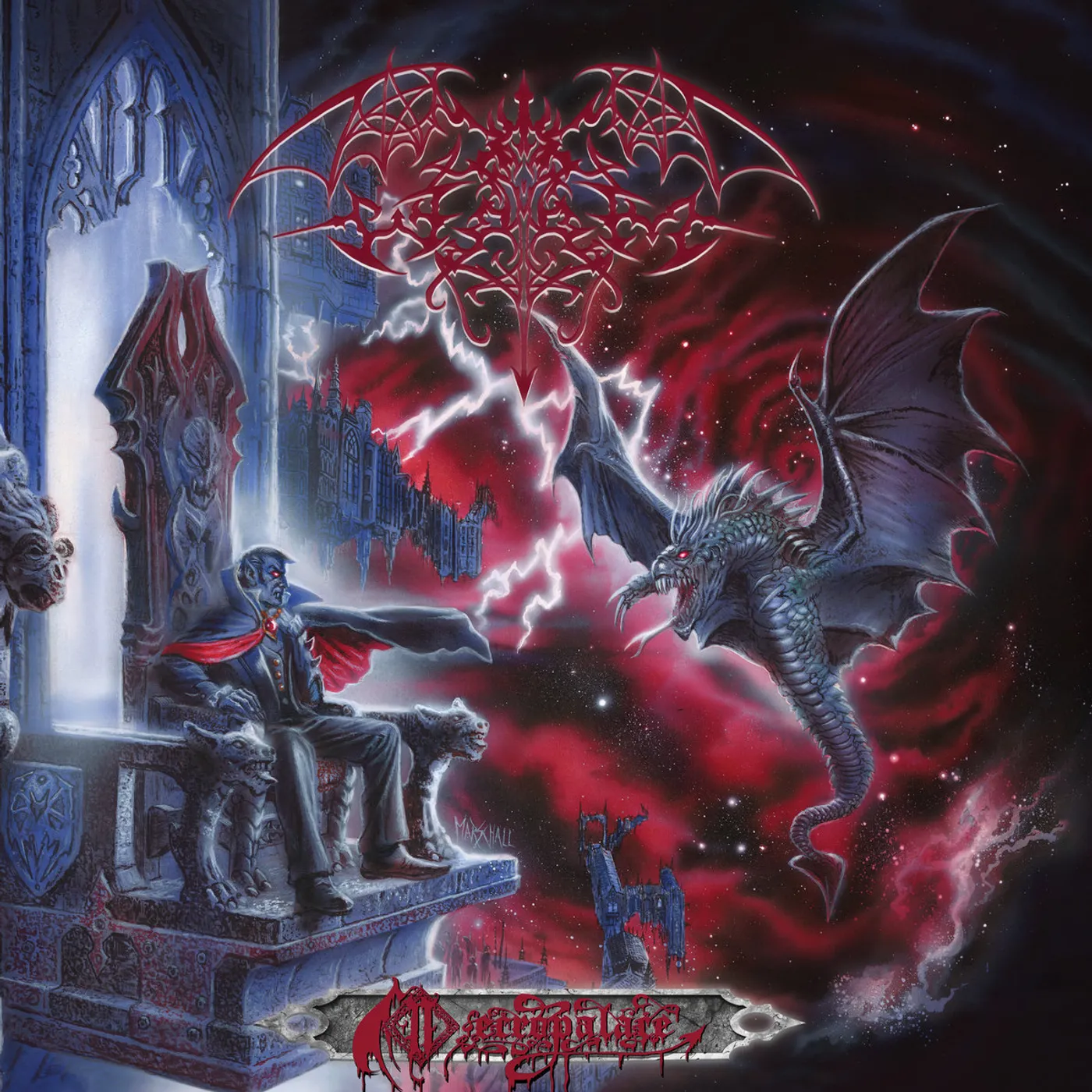
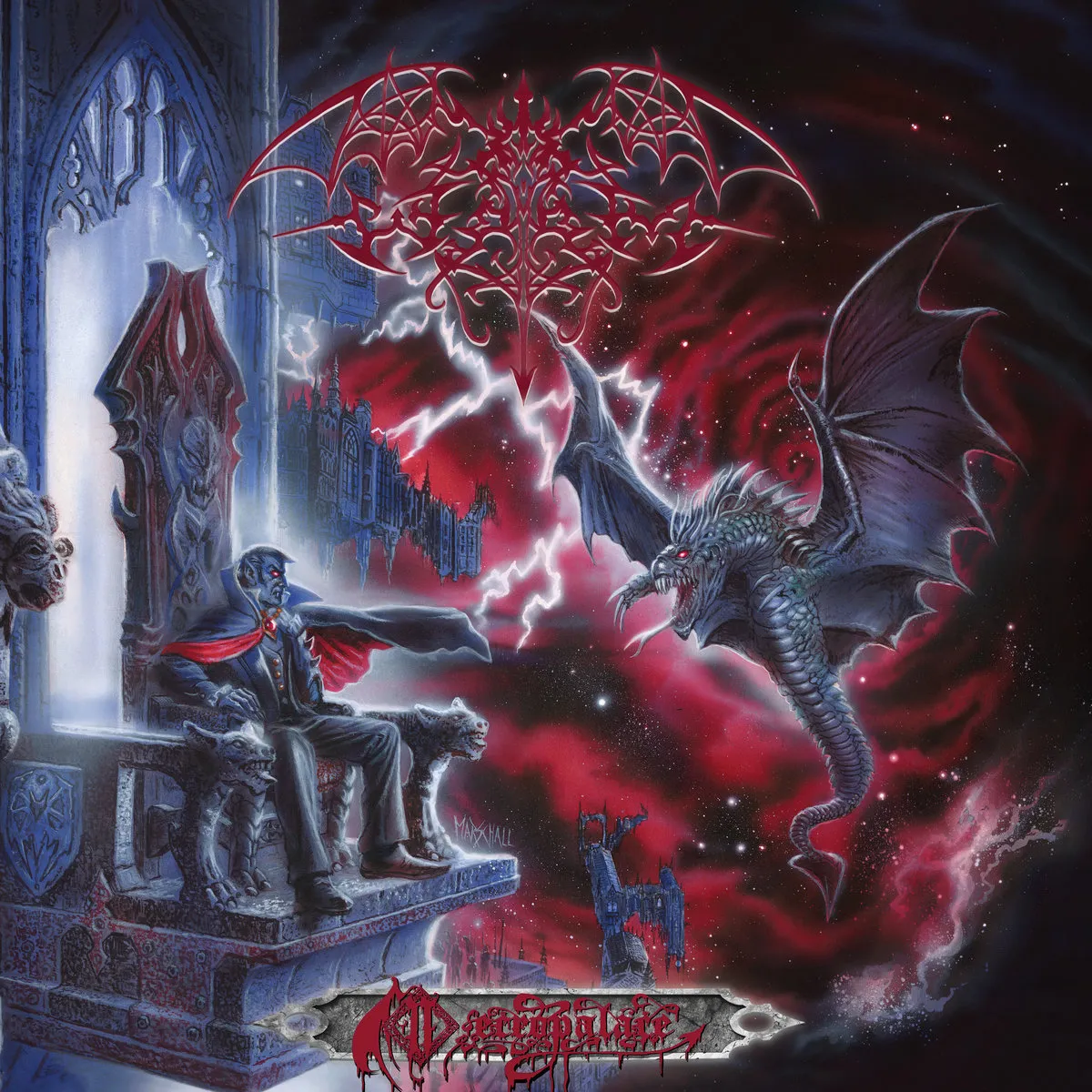
 Worm have spent the better part of a decade building something they call “Nekromantic Black Doom,” a term that looks like marketing until you hear the records and realize the band mean it. Necropalace, their fifth full length and first for Century Media, arrives as the most ambitious entry in the catalog. Seven tracks, just over an hour, every track after the intro pushing past seven minutes and one closer stretching to fourteen. The band have Arthur Rizk at the board. Marty Friedman, of Megadeth, plays a solo on the closer. The stakes are set high on purpose.
The roster reads like a fan fiction. Phantom Slaughter on vocals and keyboards, Wroth Septentrion on guitars and keyboards and timpani and engineering, Necreon on bass, CK on drums and engineering. The pseudonyms are not a bit. They point at what the band is doing: treating metal as theater, building a persona dense enough to sustain the concept across an hour of music. On earlier records this worked through sheer commitment. On Necropalace the budget finally matches the ambition, and some of the intimacy of the previous work goes with it.
“Gates to the Shadowzone” opens the record as a two-minute symphonic intro that sets the scale: orchestration, choir layers, the promise of an epic. Then “Necropalace” itself arrives at ten minutes and delivers exactly what the title suggests: a procession through chambers that feel both ceremonial and hostile. “Halls of Weeping” runs nine, “The Night Has Fangs” seven, and the pattern continues. The tracks build on the same vocabulary Worm have used before: tremolo-picked black metal melodies over funeral doom pacing, with death metal weight underneath and synth washes suggesting the cinematic ambition the band have always carried. Friedman’s solo on “Witchmoon: The Infernal Masquerade” is the closing track’s main event and, for fourteen minutes, it earns the space.
The production is where Necropalace shows both the lift and the cost of the Rizk sessions. The record sounds enormous. The guitars have the kind of saturated thickness that Rizk brings to projects like Power Trip and Blood Incantation, the drums are close-mic’d and punchy, and the vocals sit front and center. But the loudness is pushed hard enough that the dynamic contrasts feel flattened in the heaviest sections, and the low-mid density that gives the sound its weight also occasionally obscures the counterpoint between the tremolo figures and the slower doom passages. On Worm’s earlier records the grime was part of the effect. Here the grime has been replaced with precision, and some of what made their sound distinctive goes with it.
The tracks that work best are the ones that use the length to build rather than to sustain. “Halls of Weeping” has a middle passage where the arrangement thins into synth and clean vocals before rebuilding, and the contrast makes the return hit harder. “Dragon Dreams,” the twelve-minute middle piece, earns its runtime through the kind of patient development funeral doom demands. The tracks that feel longer than they need to are the ones built on a single mode without enough variation to justify the duration.
Compared to Bell Witch, who have turned the long-form doom piece into a patient meditation on grief, Worm are pulling in a different direction: theatrical rather than solemn, cinematic rather than liturgical. That ambition is valid and underserved in metal. The execution on Necropalace is good enough to support the concept across most of its runtime, but the record would have been sharper at forty-five minutes than at sixty-five, and the production choices that put Worm on bigger stages have softened the distinctive edges that made earlier records so specific.
The mix is massive and forward with substantial low-mid density from the combination of saturated rhythm guitars and a prominent bass that tracks them closely. Drums are tightly integrated with punchy kick and snappy snare, cymbals present without crossing into harsh territory. Vocals sit high in the mix with good articulation, and the orchestral and synth layers are woven in without overcrowding the metal fundamentals. The loudness target compresses internal dynamics in the heaviest passages, flattening some of the contrast between the tremolo figures and the doom sections. The harmonic complexity is high throughout, reflecting the layered arrangements, and the balance holds consistent across the tracklist. Headroom for the quieter moments exists but is thin.
Standout tracks: “Halls of Weeping” for the middle-passage dynamic shift that makes the return passage work. “Dragon Dreams” for the patient development across twelve minutes. “Witchmoon: The Infernal Masquerade” for the Friedman solo and the scale of the closing statement.
Necropalace is the record where Worm’s ambitions and resources finally meet. That is worth hearing, and it lands in enough places to justify the listen. It also loses some of the strangeness that made the earlier records distinctive, and the runtime asks for a commitment the writing cannot always return. This is Worm at their most fully realized and most conventional at the same time.