 Bandcamp
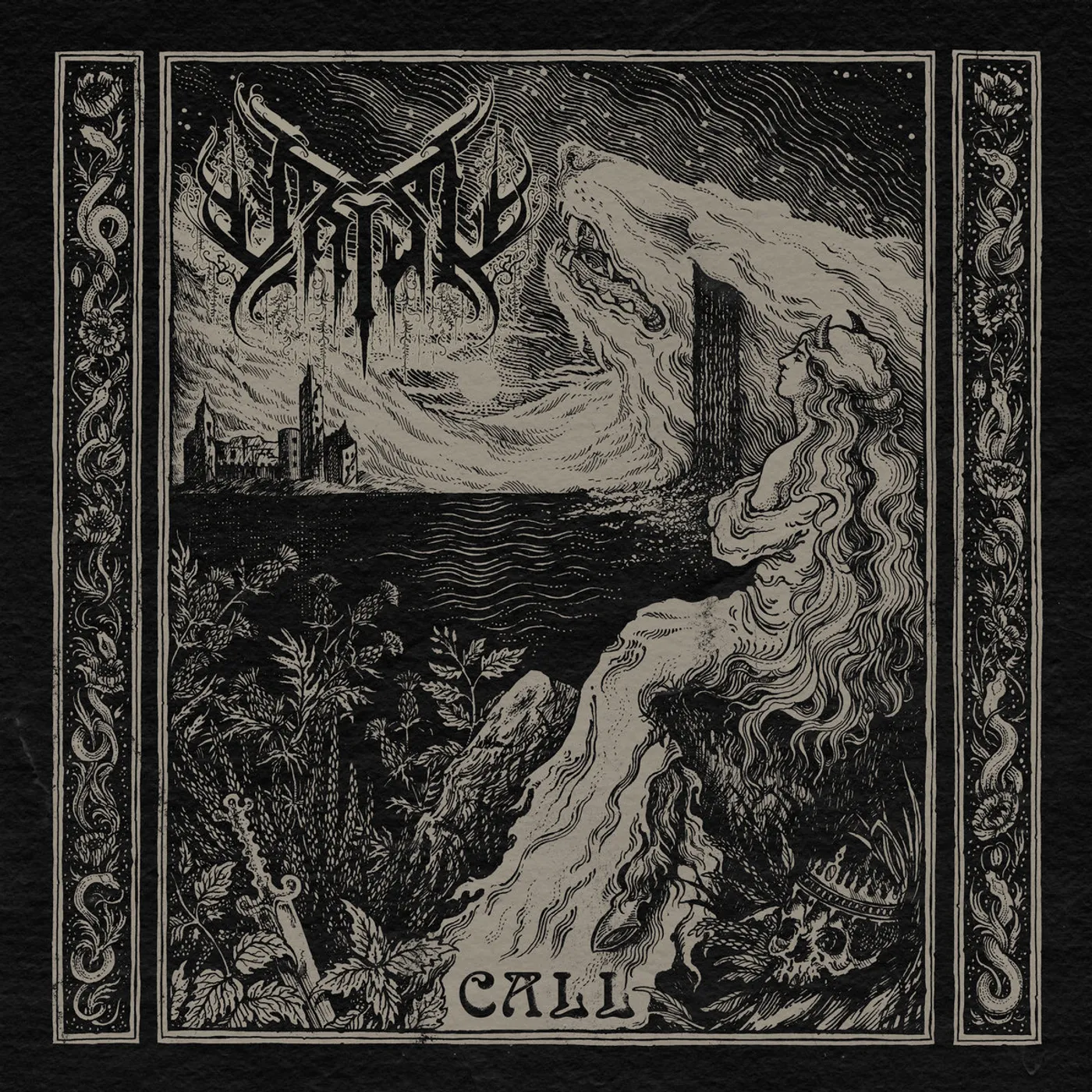
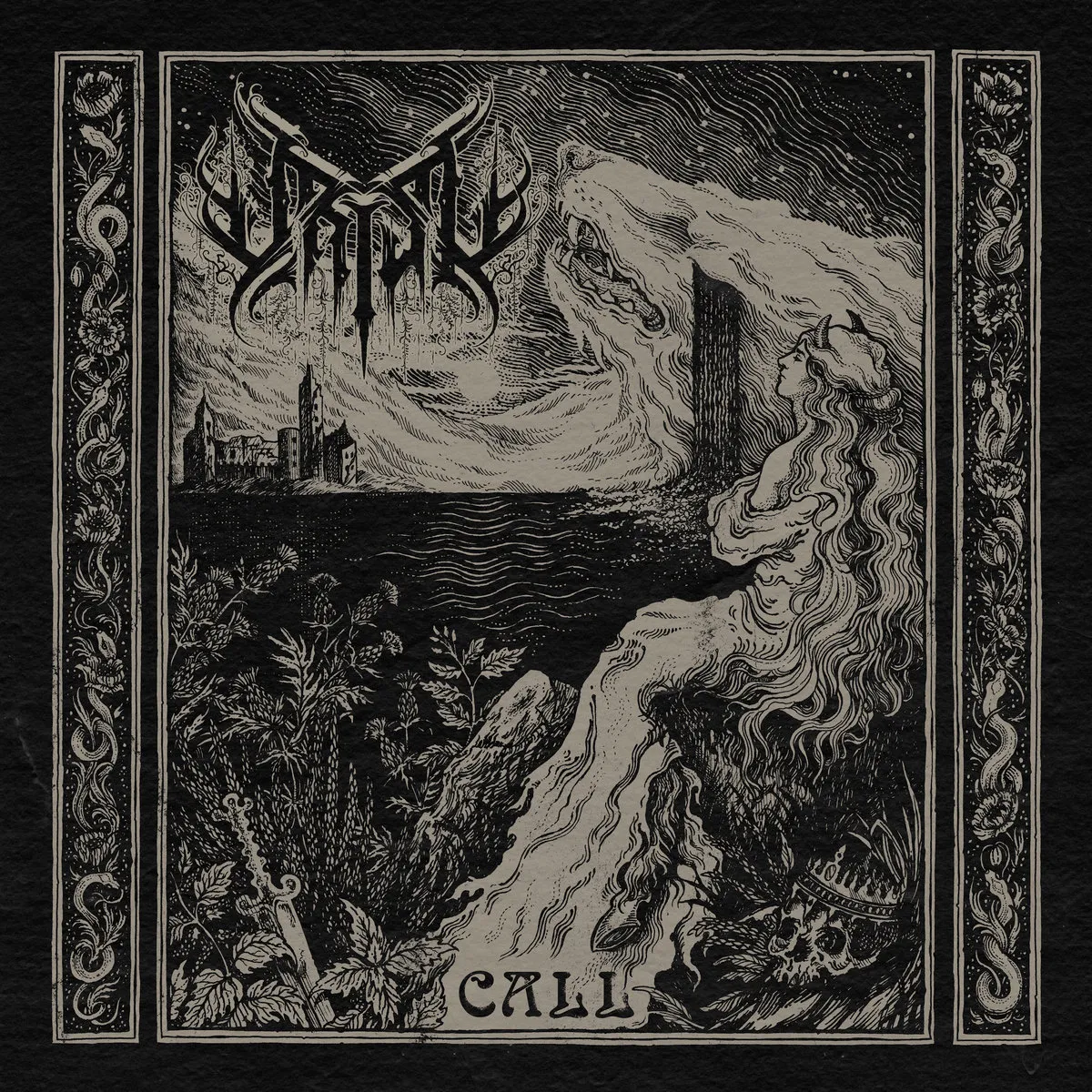
 The title is one word doing two jobs. In Scottish Gaelic, call means loss, or calamity. In English it is a cry, a summons, a calling home. Urisk put both meanings on the sleeve at once, and the band are from Bonn.
That last part is not a footnote. A German band writing half a tracklist in Gaelic, naming itself after a creature from Highland folklore, and building a record around reclaiming marginalised languages and the wild is doing something that could go badly wrong. It does not, and the reason is that the Gaelic is not decoration here. It is the load-bearing part.
The two smallest things on the record
Track one runs forty four seconds. It is a single voice, unaccompanied, singing in Gaelic, with no guitar, no bass and no drums anywhere near it. The measurement is startling in a way I have not seen before: less than one percent of its energy sits below 250 hertz. There is simply nothing down there, because there is nothing but a person.
Track six, “A’ Choille Ghruamach”, runs a minute and three quarters and does the same thing with one addition: the sea. A field recording of surf, and a voice over it, and that is the whole arrangement. It carries more treble than anything else on the album, which is what a wave does to a frequency analysis.
Two tracks totalling under two and a half minutes, and they are the most exposed the band ever gets. Putting an unaccompanied voice at the front of a black metal record is a decision; putting a second one two thirds of the way through, after the heaviest stretch, is a structure.
The five long ones
Between and around them sit five pieces running from six to ten minutes, and here is where the record surprised me. The reputation this kind of album usually carries is caves, murk, everything buried. CALL is the opposite. It is bright. Every one of the five long tracks keeps around a fifth of its energy above five kilohertz, with tonal centres sitting high and close together, and the result is a record you can hear into rather than one you have to dig through.
“Uprooting” and “The Hauled and the Waif” are the two that move most, both built on the drop from a reverbed clean passage into the wall and back. “The Hauled and the Waif” is the best of them and the widest thing here, nearly ten minutes that earn their length by actually changing. “Night Call: To You Who Lie Buried Face to the Ground” is the longest at a flat ten and the heaviest, and it keeps its most fragile passage for the final third. The female clean vocals that arrive in the quiet sections are the record’s other signature, and they are placed well: far enough back to be part of the room rather than a guest spot bolted on.
Where it holds still
“Jaws of Dawn” does not move. Over six and a quarter minutes it holds a single level almost exactly, with the narrowest distance between its quiet and loud passages of anything on the album by a wide margin. On a record this concerned with contrast, that is either the point or the problem, and after several passes I think it is the point: it is the flattest, most airless stretch of an album about loss, and it sits where it needs to. It is still the track I reach past.
So
Recommended, and it is the kind of debut-energy record that justifies its concept instead of wearing it. The two unaccompanied pieces are genuinely unusual and they reframe everything around them, the long tracks are bright and legible where the genre tends to be neither, and the whole thing holds together as an argument rather than a tracklist. The reservation is “Jaws of Dawn”, which does its job and will still lose some listeners six minutes at a time. Start with “The Hauled and the Waif”, then go back and let the forty four second opener do what it is there for.
The record splits cleanly into two unaccompanied vocal pieces and four full-band tracks, and the numbers make the split obvious. “Ro-Ràdh: Air Chall ‘s Gruama” runs forty four seconds at -25.4 decibels average, the quietest thing here, with 0.8 percent of its energy below 250 hertz, which is what a solo voice with no instrument behind it looks like. “A’ Choille Ghruamach” sits at -23.9 with the highest tonal centre on the album at 2969 hertz and 25.4 percent above five kilohertz, consistent with surf noise under a voice. The five long tracks are remarkably consistent with each other: tonal centres from 2468 to 2738 hertz and treble between 19.5 and 20.9 percent, which is bright for the idiom and the reason the record reads as open rather than cavernous. Their dynamics are where they differ. “The Hauled and the Waif” opens sixteen decibels between its quietest and loudest passages “Uprooting” fourteen and “Night Call” thirteen, while “Jaws of Dawn” holds just 4.0, a quarter of what the track immediately after it opens, and the flattest six minutes on the record. Nothing is flattened in mastering.
Standout tracks: The Hauled and the Waif, A’ Choille Ghruamach, Uprooting