 Bandcamp
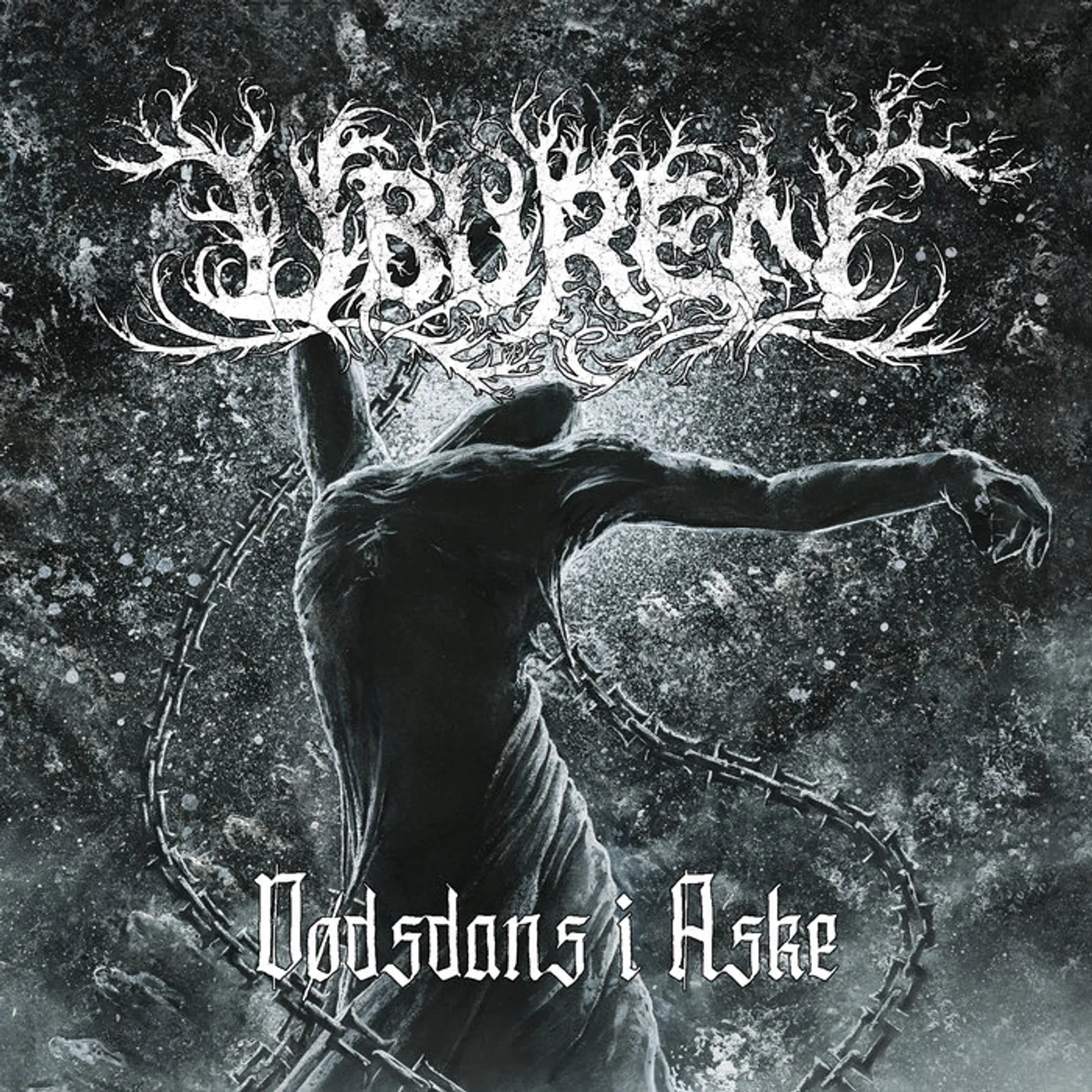
There is a version of black metal that treats dynamic range as a failure of nerve, and Dødsdans i Aske is a committed example of it.
Across all seven tracks the distance between the quietest and loudest passage runs between four and seven and a half decibels. The whole album lives inside under four decibels of variation. For comparison, a single track on the Greek record we wrote up the same day covers thirty two.
That is not an accident and it is not bad engineering. It is the aesthetic: an unbroken wall, held for thirty three minutes, where the only thing that changes is what the riff is doing.
What the wall is made of
The spectral picture is as uniform as the dynamics. Spectral centre between 3023 and 3276 Hz on every piece, midrange holding around half the total energy throughout, treble holding around a quarter, and bass never above sixteen percent. That is a bright, mid-forward, deliberately bass-light sound, which is exactly the Norwegian register this band is working in.
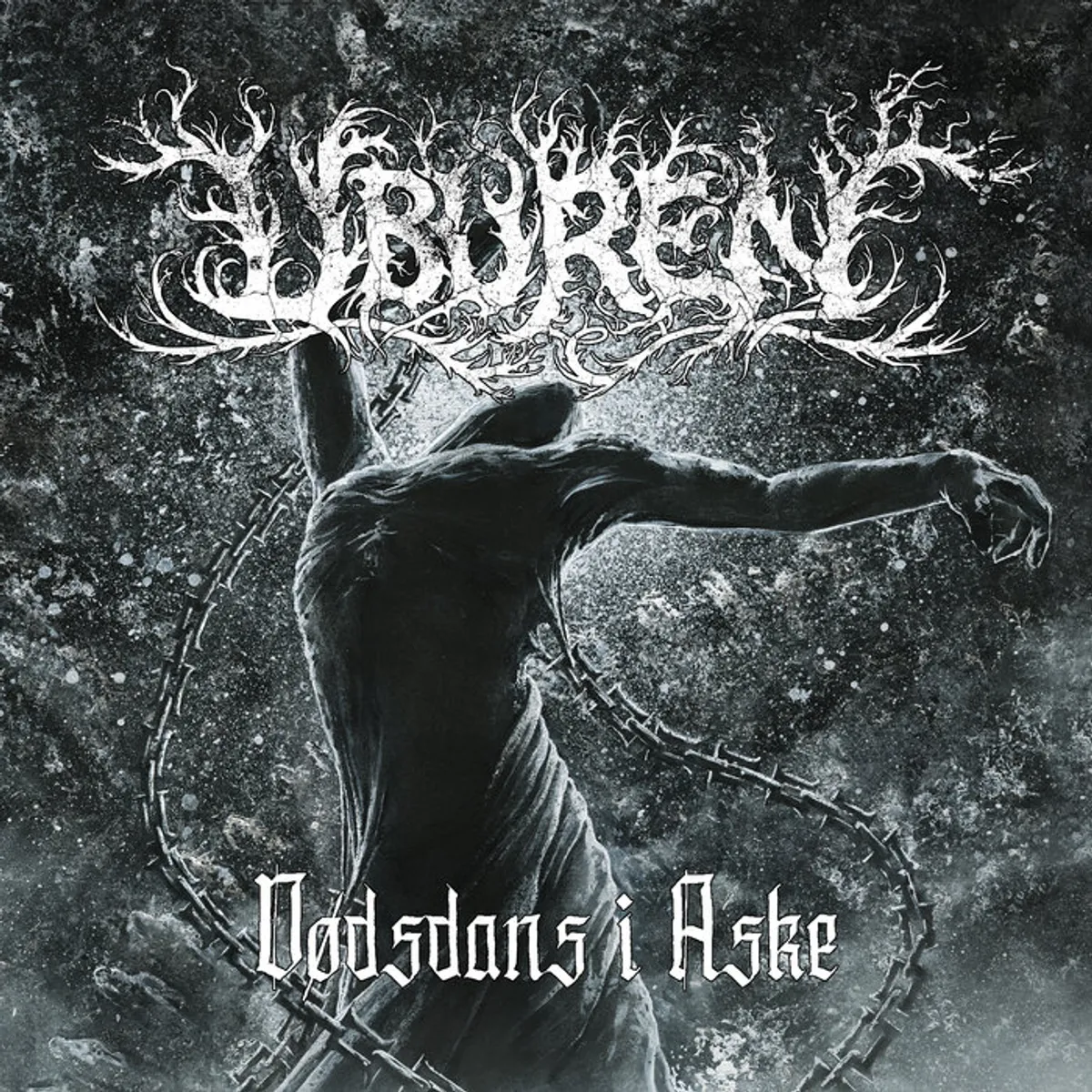
UBUREN come from Sandnes in Rogaland and this is their fifth album, following Usurp The Throne from 2023. Dusktone put it out on the twenty fifth of September. Tobias Barthel mixed and mastered it, and the artwork is by bharaduur.
The one piece that moves
“Blod og Bein” is the exception on every axis I measured: the widest at seven and a half decibels, the quietest, and the one with the most peak above its own average. On a record this uniform that is the closest thing to an event, and it is placed sixth of seven, which is where you would put it.
It is also the track where the Viking side of the band’s billing becomes audible rather than implied, and where the riff writing stops serving the wall and starts shaping it.
Where it leaves me
Three, which in our calibration means a solid record worth hearing and not a near miss. Fans of the Norwegian second wave and its descendants will find exactly what they came for. It is played well, it has a clear idea of what it should sound like, and it contains one genuine moment of release.
The reservation is the same thing as the achievement. Thirty three minutes at one intensity asks the riffs to carry everything, and over seven tracks they do not quite manage it. “I Seek Death” and “Vettenes Dødsdans” open strongly and “Blod og Bein” earns its place, but the middle of the record passes without leaving much behind. An album that refuses contrast needs every riff to be the reason you stay, and three or four of these are merely competent.
Start with “Blod og Bein” and work outwards. If the wall holds your attention there, the rest will too.
This is one of the most uniform records we have measured. Seven tracks, and the dynamic range of each sits between four and seven and a half decibels, so the entire album varies by three point six. The spectral centre moves by 253 Hz across the whole thing.
The balance is bright and deliberately thin at the bottom: never more than sixteen percent of the energy below 250 Hz, against roughly half in the midrange and close to a quarter above 5 kHz. That is the classic wall, and it is executed cleanly rather than by accident.
“Blod og Bein” is the only outlier, and it is an outlier in the useful direction: it is the quietest track, the widest, and the one with the most headroom above its own average level.