 Bandcamp
 David Eering plays guitars, vocals, sitar, synthesizers, theremin and percussion on this record. He also recorded it, mixed it, mastered it, and made the artwork. Chris Both plays bass, Klaas Dijkstra plays drums, and everything else that happened to Another Sun happened through one person in one room.
That room is called Evolver Studio, in Dordrecht, and it is Eering’s own. The second track on the album is called “Evolver”. For a band on their eighth record, naming a song after the building you made it in is either a private joke or a statement about where the music now comes from, and either reading works.
What a closed loop sounds like
Consistent, is the short answer. Across all five tracks the low midrange holds almost exactly the same share of the total energy, within a single percentage point from first to last. That is unusual. Records made by a band and an outside engineer tend to drift as the sessions go on, and this one does not drift at all, because the same ears made every decision from the amp to the master.
The upside is a world you can step into. The downside is that nothing surprises you tonally: if the first minute of “Drop/See” is not for you, the remaining forty two will not change your mind.
Where it moves
Not where you would expect. “In Search of Yellow” is the shortest piece here at five and a half minutes and it opens the widest distance between its quiet and loud passages of anything on the record, by a long way. “Evolver” is nearly as free. Meanwhile “Swallow the Sun” runs over eleven minutes and holds one of the tightest ranges on the album.
In a lot of bands that would be a complaint. Here it is the method. The Machine have always built around jams, and a jam that holds its level for eleven minutes is a groove being sustained rather than a dynamic opportunity being missed. “Swallow the Sun” is not flat, it is locked, which is a different thing and the harder one to do for that long without the listener checking out.
“Echo Through” closes on the other approach: the darkest track on the album, the quietest in average level, and the one with the most headroom left in its master. After eleven minutes of lock, eleven minutes of room.
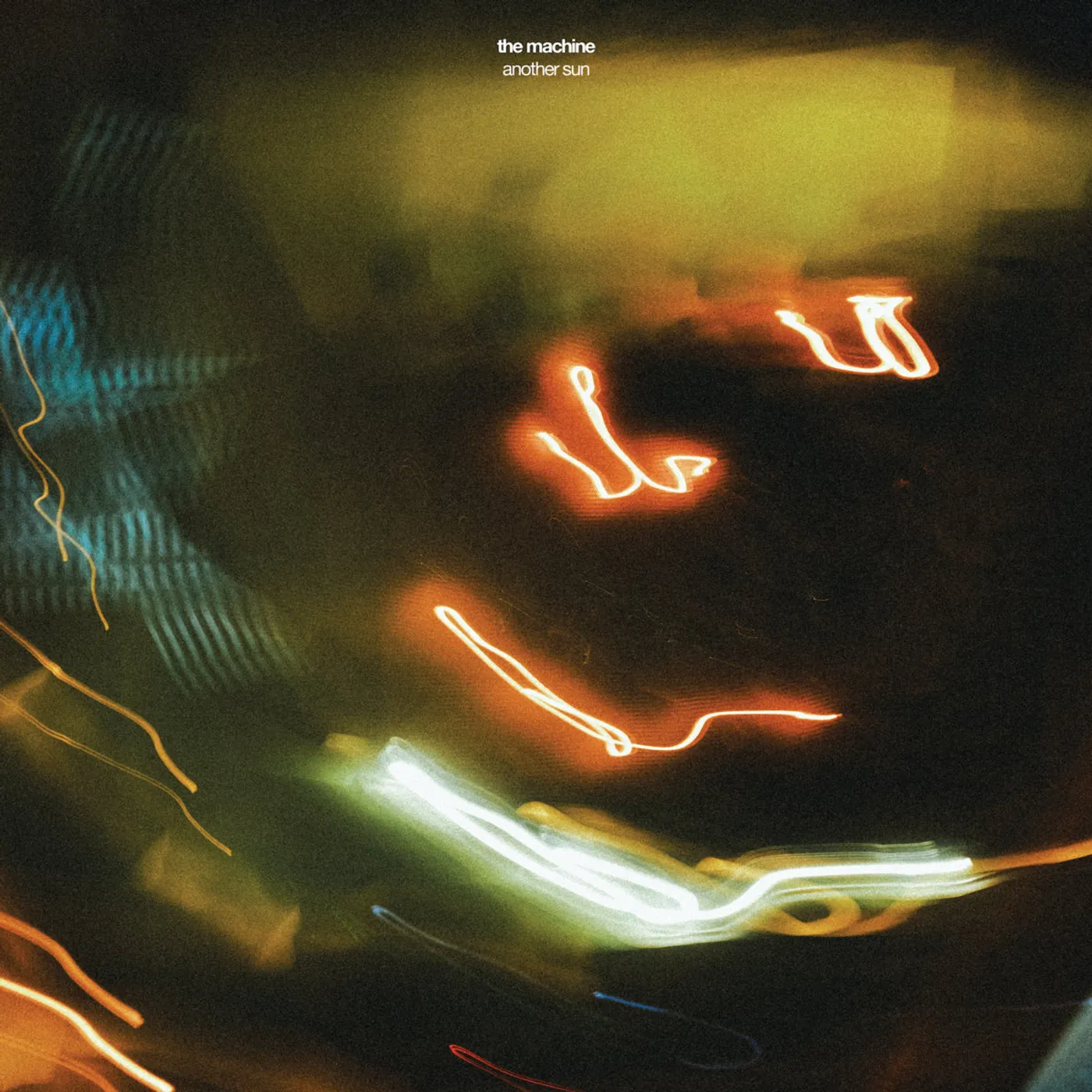
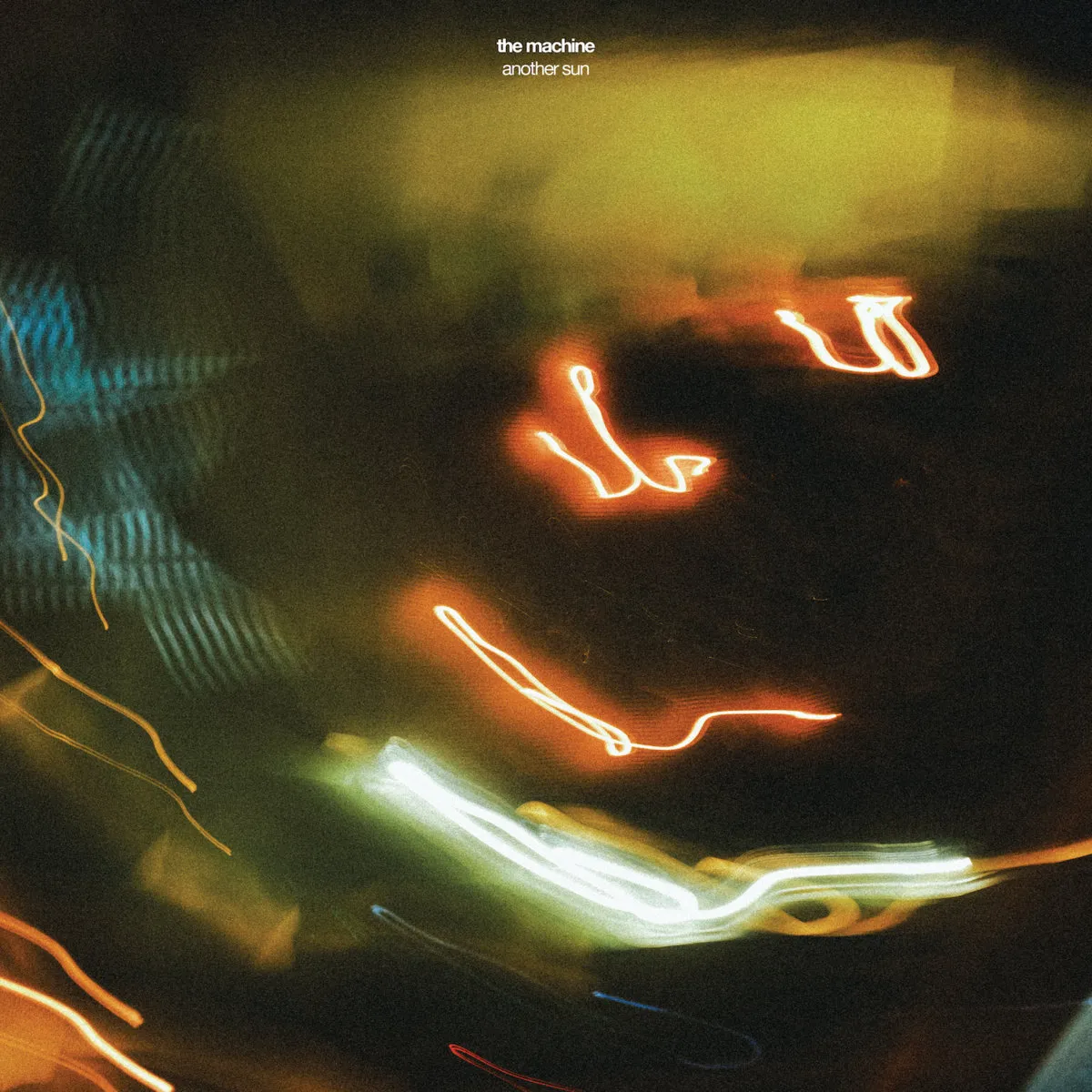
The sleeve fits: a long exposure of moving lights, orange and teal smeared across black, made by Eering like everything else. Nothing depicted, just motion recorded.
So
Yes, and it is the kind of record that gets better when you stop treating it as five songs and start treating it as forty three minutes. The playing is excellent, the production is coherent in a way that only happens when one person owns the whole chain, and the two long pieces at the end justify themselves by taking opposite routes to the same place. The reservation is the opener: “Drop/See” is eight minutes and the least mobile thing here, which is a strange door to put at the front of a record whose best argument is how freely it moves.
The most striking number on this album is one that barely changes. The low midrange carries between 21.3 and 22.2 percent of total energy on every single track, a spread of under one point across forty three minutes, which is the fingerprint of one person making every decision from recording through mastering. Within that fixed frame the dynamics vary enormously: “In Search of Yellow” opens nearly twenty nine decibels between its quietest and loudest passages and “Evolver” twenty three, while “Drop/See” and “Swallow the Sun” hold under six and a half. Tonal centre drifts gently downward across the running order, from just over two kilohertz on the opener to 1844 hertz on “Echo Through”, which is also the quietest track in average level and the one with the widest distance between its peaks and that average. Nothing here is mastered flat.
Standout tracks: In Search of Yellow, Echo Through, Evolver