 Bandcamp
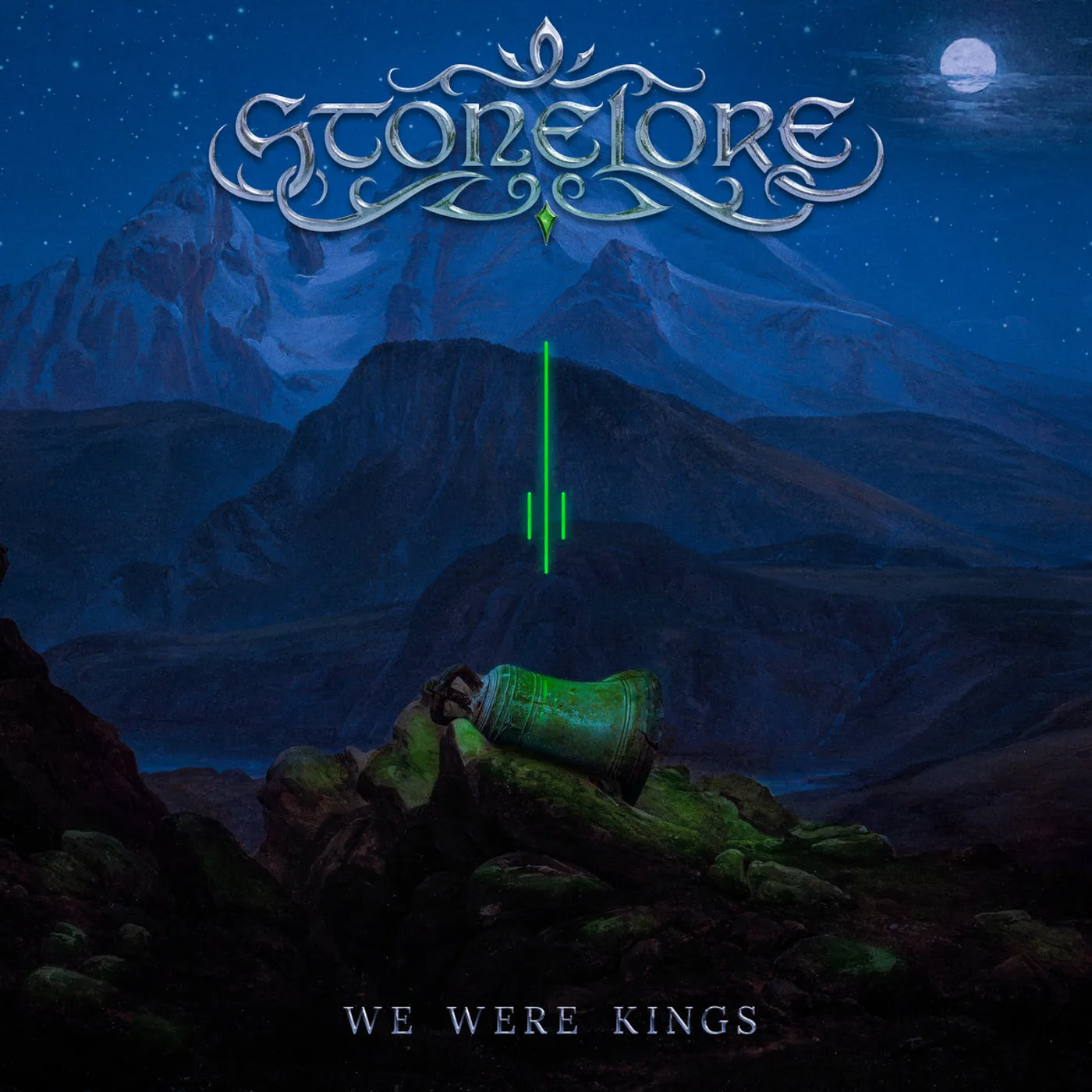
 The last track on We Were Kings is the only one that sounds like a room. “I Am The Land” takes seven minutes and fifty seconds and spends them differently from everything before it: the kick pushes through the low mids instead of clicking on top of them, the snare has a wet belly to it, and the master leaves enough headroom that the weight actually moves rather than just sitting there at full. Then, around the six minute mark, the metal drops away and the album ends in wind, night noise, bells and a flute.
That closer is the best thing here, and it quietly argues with the nine tracks in front of it.
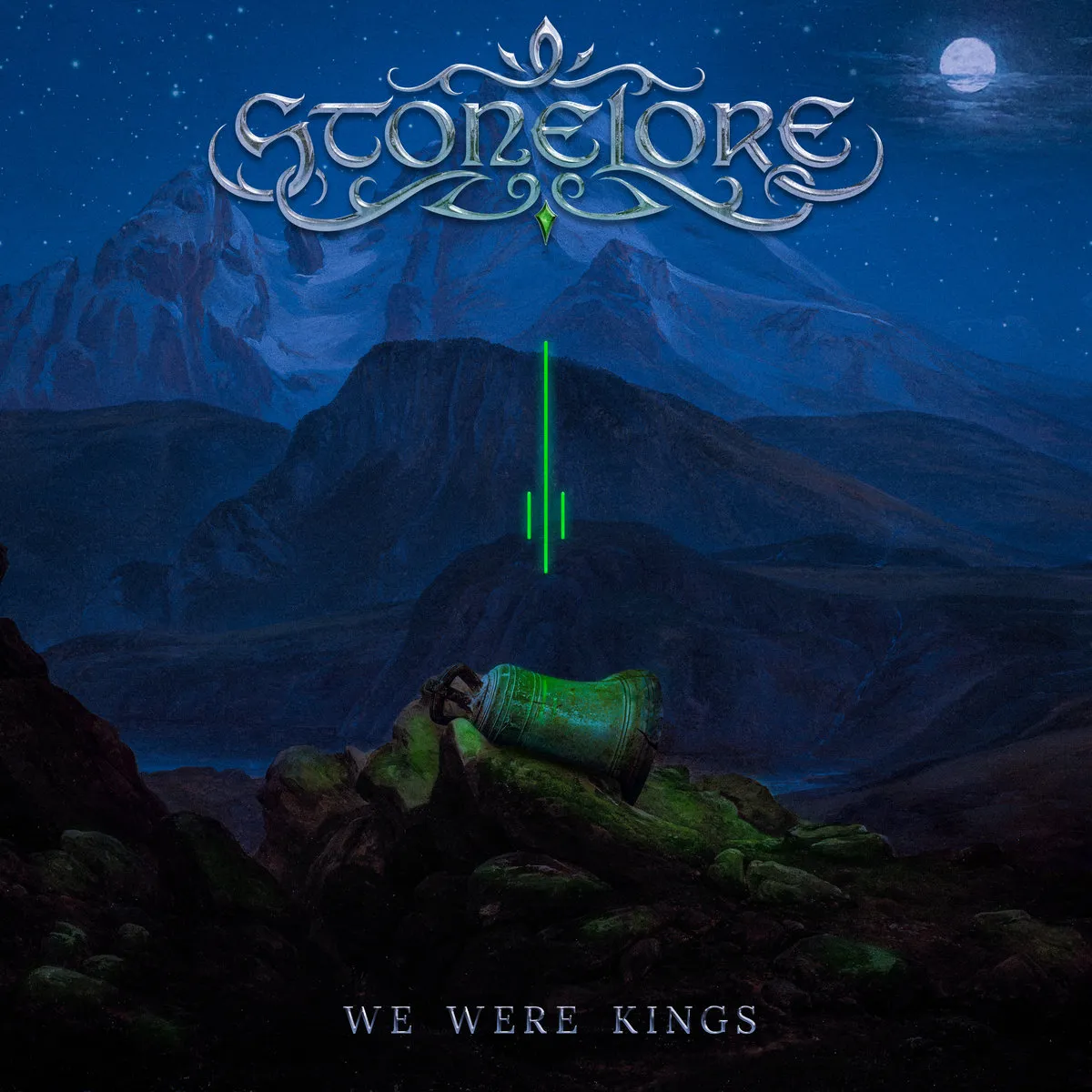
The argument is worth having because of what the record says it is for. A. J. Blackett wrote, played, produced, mixed and illustrated this in Edinburgh, and frames it as ten vignettes from the history of one valley, covering the whole life of a kingdom of dwarfish men, on the premise that the myths and folklore of a people outlive the people. That is a thesis about survival through story rather than through stone. An album making that case has an obvious sonic option available to it, and it takes that option exactly once.
The other nine tracks are built the contemporary way, and it would be unfair to file that under failure. Modern symphonic melodic death metal is a polished dialect by convention: the rhythm guitars tightly gated and saturated, the low end welded to the kick as a sub-frequency floor, the kit carrying an even, machined attack with a clicked front edge and a dry snap behind it, and the whole thing run hot. Blackett speaks that dialect fluently. “The Last Of The Dwarfish Men” and “Death Awaits Those Down Below” keep their lead melodies cleanly separated from a dense rhythm block, which is the hard part at this density, and the guitar tone stays legible where a lot of records in this lane turn to porridge.
What he does with voices is better still. The growls sit very low and stay unusually articulate, so the words survive the frequency range they are delivered in, and the layered clean choruses arrive without the strained quality that sinks a lot of folk metal singing. “Goblin Stomp” is the clearest demonstration, verses down in the throat and a chorus that opens out, with a stamping mid-section break that gives the wall somewhere to go.
The reservations are about sameness rather than competence. Across nine tracks the level barely moves and the kit barely changes character, so the heavy passages stop reading as heavier than the merely heavy ones, and by the second half the drum sound has become a texture you stop hearing rather than one that hits. “At Barrow’s Root Come Sundown” has the opposite problem: the accordion and whistle leads are pushed so far forward that the rhythm guitars end up competing for their own song. And the tonal range is wider than the album’s frame can hold. “I Eat Dirt” is two minutes and thirteen seconds of blunt, low-slung aggression that would be at home on a very different record, and it sits next to “Deep Into The Mountain Cave” and “Skogsgrottsråtta”, which reach for synth interludes and clean hooks. Ten vignettes can absolutely be ten different moods. They still have to feel like they come from the same valley.
For a self-released record the credit list is also worth noting, because “one man project” undersells it. Leonard Walerius mastered the album and plays on four tracks, and Tiago Costa, Callum Anderson, Ian Tarboton, Erwin Febrianto, Johan Maxén and Lennart Lanström appear across the rest. This is a solo project the way a workshop is one person’s: the name on the door is doing most of it, and there are other hands in the room.
The concept holds, the writing has real melodic instinct, and the last eight minutes prove the record knows what it could sound like. What it needs next is the confidence to let more than one track breathe.
“I Am The Land” is the outlier and the reference point: an organic, earthy low-mid warmth with the kick working through the body rather than the click, a wet bellied snare, cymbals held back, and mastering that keeps its headroom right up to the point where the whole band drops out for the closing field recording. Elsewhere the picture is uniform. “I Eat Dirt” has the sharpest transient definition on the record and the least air. “At Barrow’s Root Come Sundown” stacks its folk leads into the same upper middle as the rhythm guitars and loses separation for it. “Skogsgrottsråtta” runs closest to clipping and still keeps electronics and guitars distinct, which is a real piece of balancing.
Standout tracks: I Am The Land, Goblin Stomp, The Last Of The Dwarfish Men