 Bandcamp
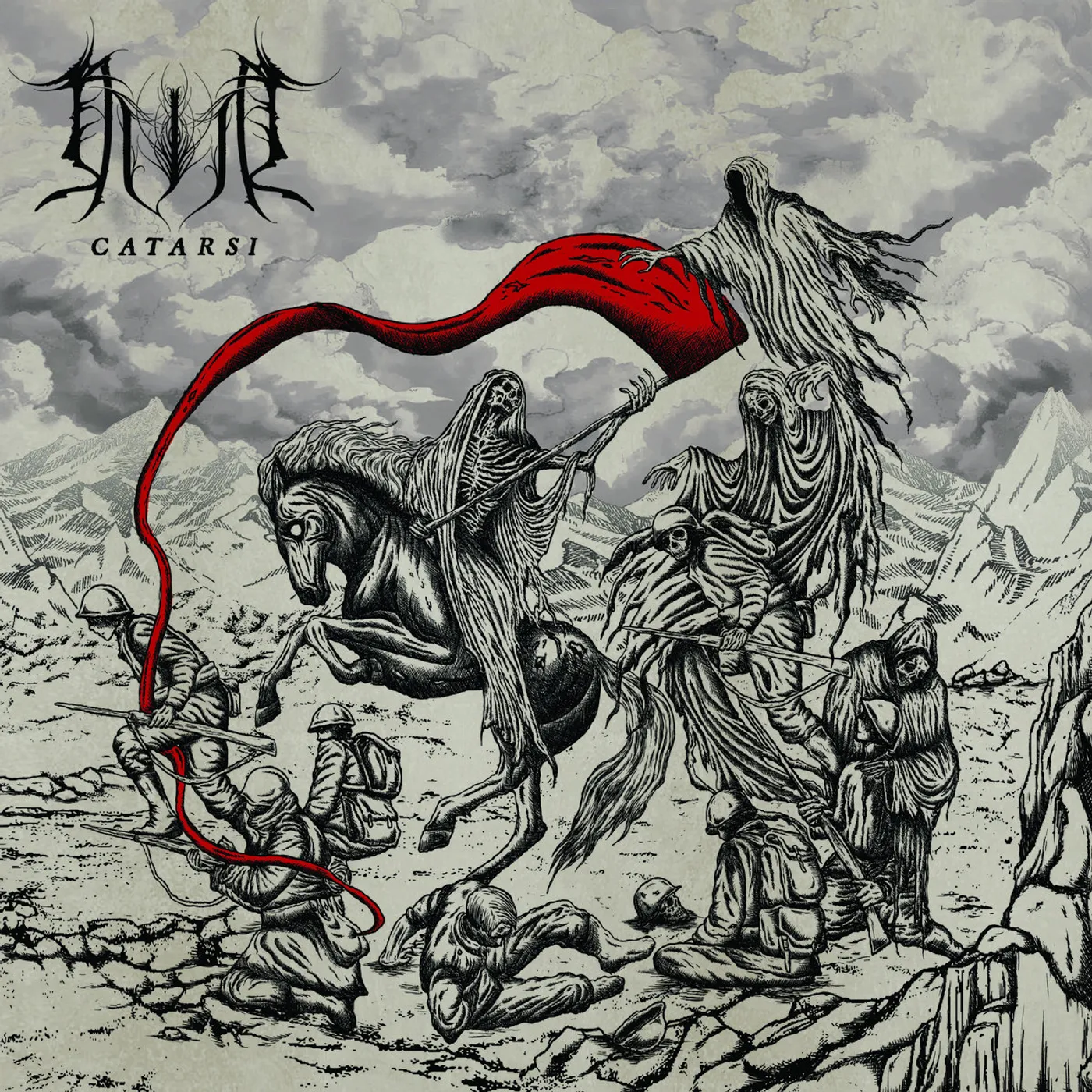
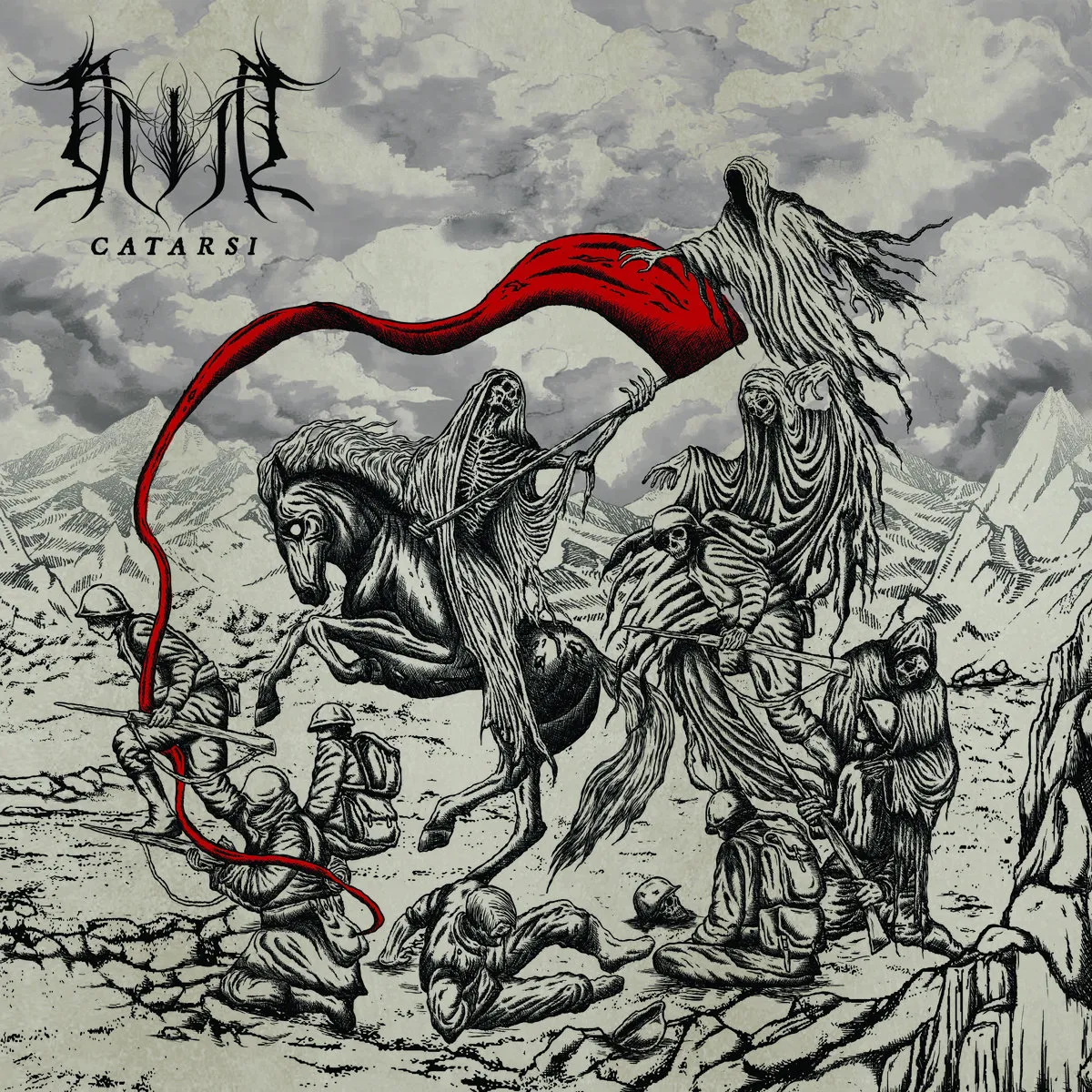
 The soldier on Catarsi is marching across the Carso, and that single geographic fact does more work than any press release could. The Karst plateau above Trieste was the Isonzo front, eleven battles over two years for a few kilometres of limestone, and it is where Giuseppe Ungaretti served and wrote the poems that made him. DUIR set their third album there, and by the second song they have arrived at the only honest conclusion about it: these men are not fighting for gold, for land, or for a ruler. They have become cannibals.
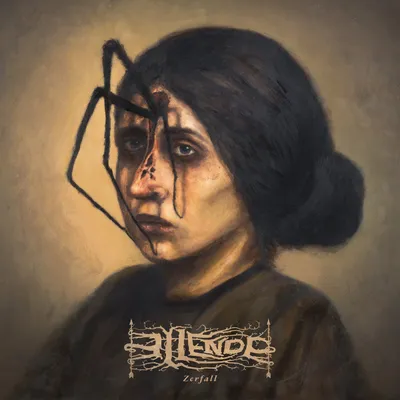
What makes the record more than a well-researched theme is who DUIR let onto it. The lyrics are Italian throughout, written by the vocalist credited as Vox in Umbra. On “Impeto” a guest steps in, L.G. of the Austrian band Ellende, and sings in German. On the Karst, German was the other trench. Nobody announces this in the liner notes and nothing in the music points at it, but the choice sits there once you notice it, and it turns a concept album into something with two sides.
The third voice belongs to an instrument that has no business being there at all. TZ plays Highland bagpipe, Irish flute and hurdy gurdy, and the pipes are the most exposed decision on the album. There were pipers in that war, walking ahead of advances into machine gun fire, but they were not on this front and not in this army. The instrument arrives as a foreign body, and it works precisely because it does not belong: it is the sound of a different set of dead men bleeding into an Italian one.
Musically this is atmospheric black metal that trusts texture over definition, and it should be judged by that standard rather than against a rock mix. The guitars build wide tremolo fields where individual notes dissolve on purpose, the drums sit well back in a long reverb, and the bass is a low rumble rather than an instrument with edges. If you come to this wanting to hear every string, you will file the low middle as a fault. It is the genre’s own vocabulary, and DUIR speak it fluently. Where they earn the most is dynamics: “Del giorno” opens with a fragile acoustic passage that erupts just before the one minute mark, and “Oltre l’alba” spends a long ambient stretch building to something before it commits.
The one place the record genuinely slips is “Della notte”. It is the shortest piece, it is instrumental, and it is mixed nothing like the rest: tight, dry, cleanly separated, the drums noticeably reinforced, everything sitting in its own lane. On its own it is a competent interlude. Inside an album whose entire identity is a cavernous, flooded room, it sounds like the door opened onto a different building.
The lyrical arc is the reason to stay for all forty-six minutes. The speaker starts as a man asking for one more breath and a way home, loses flesh and shape until he is only shadow and whisper, and ends up somewhere past the ending, watching new columns march past without knowing where they are going. By the closer even the divine has been evacuated. “Del giorno” carries Ungaretti’s “Non gridate più” as an epigraph, and putting that poem on a black metal record is either presumptuous or exactly right. It reads as the second one, because the album has already earned the quiet it asks for.
Recorded with Alberto Spaziani, mixed and mastered by P.G. of Groza. Six songs, no filler, one interlude that belongs on another album. For a band three records in, this is the one that will get them looked at properly.
The whole album is built as one enormous reverberant room, and almost everything follows from that. Guitars are heavily saturated and layered into wide tremolo fields where the point is the mass rather than the individual note. The drums sit deep in that space, with a kick that pushes low without a hard click on most tracks and a snare that trails a long wet tail. Bass functions as a rumbling floor rather than a voice of its own, and the region between roughly 200 and 400 Hz stays crowded from start to finish. In this genre that density is the vocabulary rather than a mistake, though on the heaviest passages it does cost the riffs their outline, and the master runs hard into its ceiling on two of the longer songs. The exception is the short instrumental, which is dry, tightly separated and noticeably reinforced in the drums, and sounds like it was mixed for a different record entirely. The strongest production moments are the transitions: a fragile acoustic opening that detonates, and a long ambient build that holds its nerve before the band arrives.
Standout tracks: Di nessuno, Del giorno, Oltre l’alba