 Bandcamp
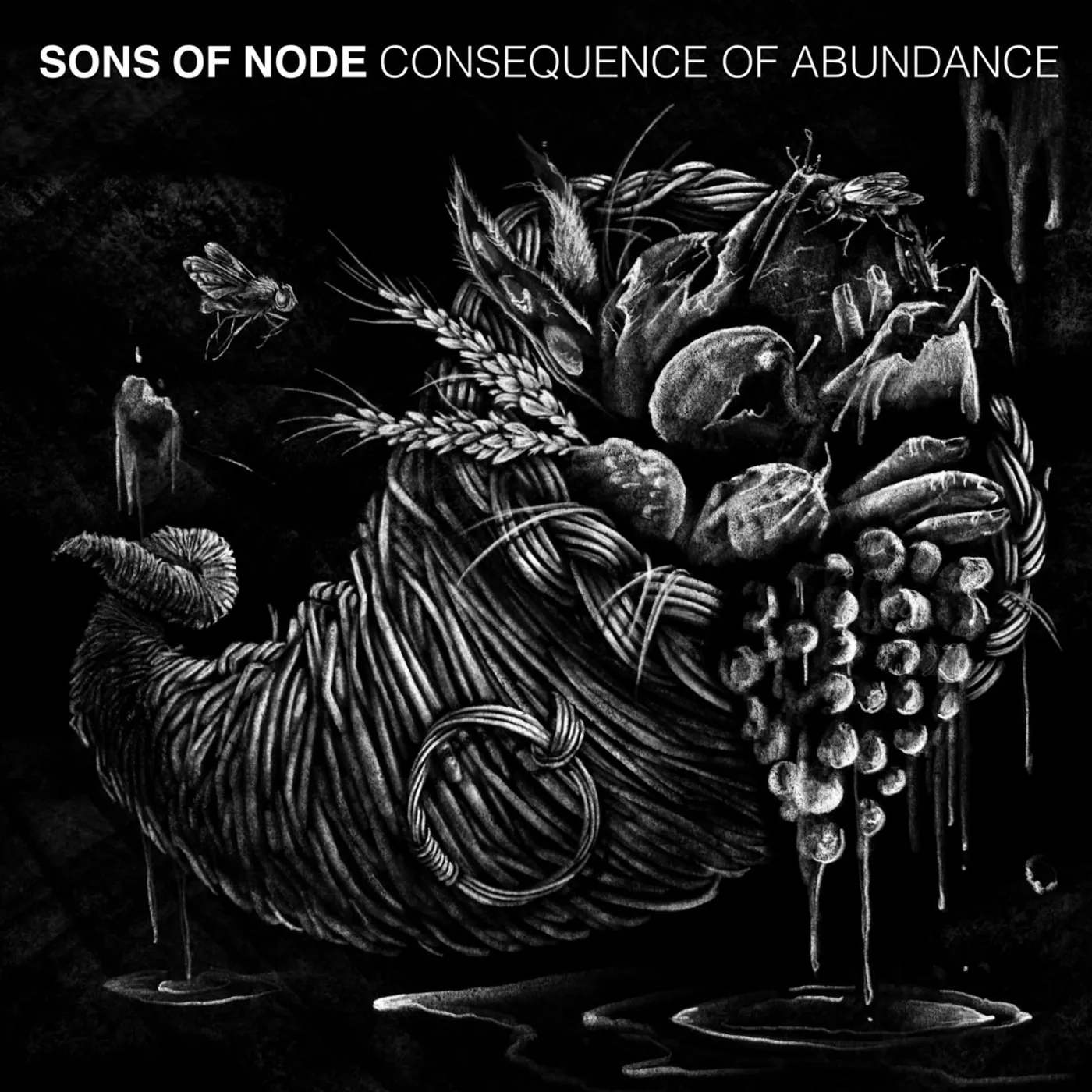
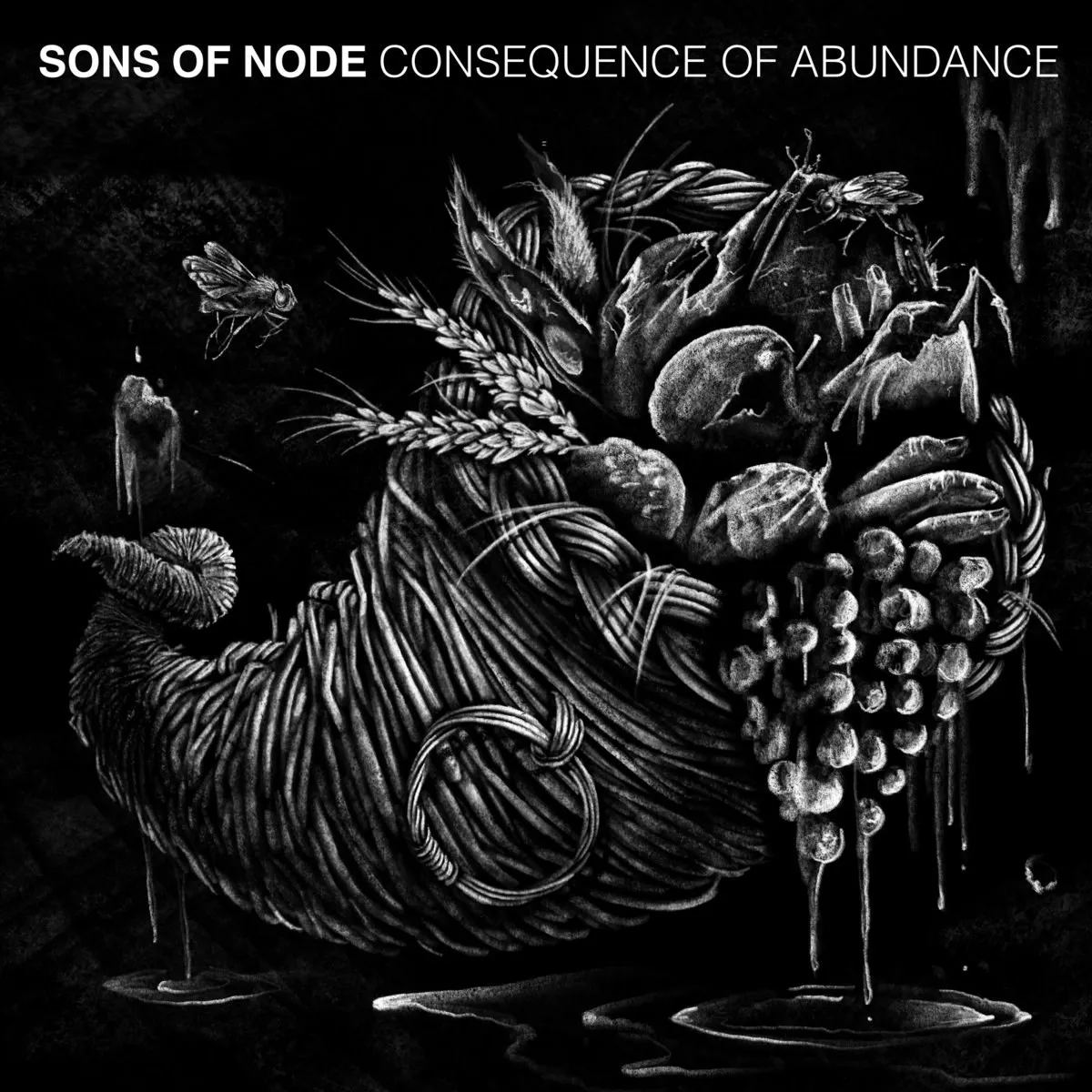
 Sons of Node are an Utrecht-based sludge band whose second LP Consequence of Abundance, released May 15 on the band’s own Bandcamp, works the productive territory the European sludge scene has kept moving since the mid-2010s. Eight tracks across forty-eight minutes, recorded and mixed by Abel Jansma at Studio De Krakeling, mastered by Tim de Gieter at Much Luv Studio -- the kind of independent-studio credit roster that places the album squarely in the Dutch heavy-music network without needing a label imprint to underwrite it. Album artwork by Reen van Rijswijk, photography by Megan Moss.
The album opens with “Back to the Mud” at eight and forty-seven, the album’s setting-of-terms cut -- minimalist bass intro giving way to a dense fuzz-saturated wall, with guttural vocals placed forward on the mix and the kind of doom-sludge slow-crawl that the lineage rewards. “Final Epilogue” follows at six and forty in tighter, more aggressive mode, with the production at its most brick-walled and the harsh vocals pushed dry to the front. “Phantasmagoria” at five and a half pulls the band’s clearest dynamic argument together: a chaotic middle-section explosion bracketed by atmospheric quieter passages, lead guitar surfacing in a melodic solo that distinguishes the cut from its neighbours.
The Two-Part Centre
The album’s structural centre is a deliberate two-piece. “Gnashing Teeth” at one minute and twenty seconds is a short instrumental link, all density and texture, no vocals; “I Awake…” at two minutes and forty-two seconds extends that into a longer atmospheric setup before ”…In Solitude” at ten and twenty-seven minutes lands as the album’s centrepiece. The long-form piece is the kind of patient doom-sludge construction that the band’s two-album catalogue has been building toward -- accreting layers of fuzz across the runtime, with the vocal placement deeper in the wall than on the shorter pieces.
“Kill All Captives” at six and seven and “Council of Combat” at six and fifty-four close the album in more compact form, with the band pulling back from the long-form ambition of ”…In Solitude” into tighter sludge-doom shapes. The closer in particular brings the heaviest single passage on the record into a more dynamic-aware mix than the album’s middle would suggest.
The Production Frame
The production sits where European sludge productions in this register usually sit: dense, mid-focused, fuzz-saturated, with brick-walled mastering on the heaviest passages and proper room sound on the atmospheric breaks. Bass and guitars frequently fuse into a single low-mid wall (especially on the densest passages of “Final Epilogue” and the long-form centrepiece); drum room sound is preserved on the more spacious tracks but the kick attack reads more dry-and-clicky on the brick-walled cuts. Vocal placement is consistent: harsh gutturals upfront and intelligible across most of the album, embedded deeper on the textural pieces (“Gnashing Teeth,” ”…In Solitude”).
The reservations are the genre’s standing trade-offs at this scale. Frequency stacking in the low-mids on the heaviest cuts limits string definition; the wall-of-sound passages level the dynamic argument the band’s longer pieces want to make. None of that breaks the record -- Sons of Node are working within the genre’s interior, not trying to push it sideways, and the album’s strongest material (“Phantasmagoria,” ”…In Solitude,” the closer) earns its runtime.
Guitars carry heavy saturation across the runtime; the bass shifts between articulate independent voice (the bass-led intro of “Back to the Mud”) and a single textural wall with the guitars on the densest passages. Drums have natural room ambience on the spacious cuts and tighter dry-and-clicky processing on the heavier ones. Harsh guttural vocals are placed forward and consistently intelligible across most tracks, embedded deeper as textural element on the instrumental/atmospheric pieces (“Gnashing Teeth,” ”…In Solitude”). The long-form centrepiece ”…In Solitude” relies most on the dense wall-of-sound approach; the closer “Council of Combat” demonstrates the cleanest single dynamic argument.
Standout tracks: …In Solitude for the ten-minute long-form centrepiece that earns the album’s patient-construction promise. Phantasmagoria for the most successful dynamic argument across a single track. Back to the Mud for the bass-led opener that establishes the album’s vocabulary.
Worth your time if you appreciate Dutch sludge that works within the European underground sludge-doom tradition without trying to reshape it -- and if you can hear the band’s long-form ambition on ”…In Solitude” through the production trade-offs the genre still operates with at this scale.