 Bandcamp
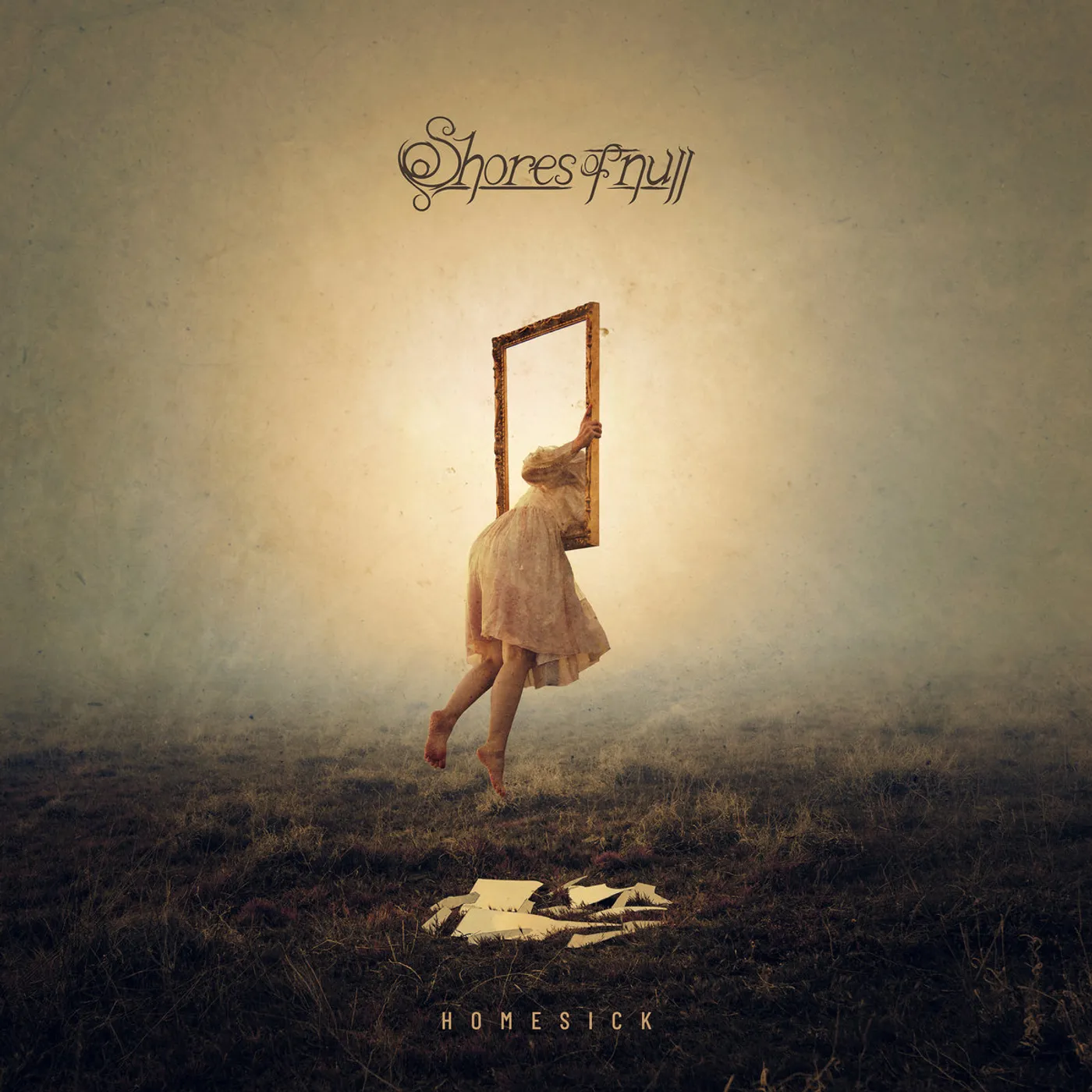
Shaun MacGowan plays violin on five of these ten tracks. Fabio Gabbianelli plays double bass on the same five. Lorenzo Fiorentini plays piano on “Dreaming of a Scar”. That is a serious amount of acoustic instrumentation to put on a death doom record, and most bands who spend it then bury it under two electric guitars.
This one does the opposite, and the measurement shows it clearly enough to be the reason to write about the album at all.
The strings get the room
Take the five tracks that carry violin and double bass, and the five that do not, and measure them separately.
The cleanest result is the one I did not expect. Sort all ten songs by spectral centre and the two groups fall apart without a single overlap: every track with strings on it sits at 2263 Hz or below, every track without at 2275 or above. Ten out of ten, no exceptions. The record is measurably darker whenever the acoustic instruments are in the room.
Level and headroom point the same way. The guest tracks run a decibel quieter on average and keep more room above that average, so Homesick backs off when the strings arrive and pushes hardest when it is just the five-piece playing.
Dynamic range splits the same way, twelve and a quarter decibels against seven, but that one deserves an asterisk: cutting the record in half by running order instead of by credits produces exactly the same two numbers, even though only three of the five guest tracks sit in the second half. It is the spectral and level figures that tie the split to the credits rather than to the sequence.
“The Numbing Void” is the clearest single case. Six minutes and nineteen seconds, the longest piece here, the most headroom above its own average of anything on the album, and the quietest track on the record. It is also the one with Natalie Koskinen of Shape of Despair singing on it. Somebody made a decision there, and it was the right one.
The exception, and what it tells you
“Allies Before Defeat” opens the album, carries violin and double bass, and still behaves like the band-only tracks, which is the most interesting thing on the record rather than a flaw in it: five decibels of range, the second loudest average level here, less headroom than anything else with strings on it.
I take that as deliberate rather than sloppy. An opener that already sounds like the quiet second half gives the record nowhere to go. Starting loud with the strings folded into the wall, and letting them come forward later, reads like a sequencing decision rather than an oversight.
What it costs
The stretch without the guests is where the album thins out, and the numbers say why.
“Two Mountains”, “Bleed to Life”, “Son of the Tide” and “Another Breath” run between four and seven and a half decibels of range, seventeen minutes of music sitting inside a little over three decibels of each other. “Another Breath” at track nine is the extreme on every axis: the narrowest, the loudest, the least headroom of all ten.
One band-only track breaks that pattern and should be said out loud, because it is the exception to everything above. “Society Is the Murderer” covers twelve and a half decibels with no guests on it at all, wider than three of the five tracks that do have them. The split is a tendency rather than a rule.
Davide Straccione moves between a very low clean baritone and a guttural throughout, and the two guitars keep finding things to do. The writing is not lazy. The album simply sounds more like itself on the half where the arrangements have company.
Where it leaves me
Four out of five, and what hesitation there is sits with the songs in between rather than with anything technical.
What earns it is the decision at the centre of the record. Shores of Null put violin, double bass and piano on half of Homesick, and every one of those five tracks is darker than every one of the other five. Quieter and roomier hold as averages rather than track by track, because the opener carries strings and sits with the band-only half on both, which is the exception I set out above. Whether that was settled in the arrangements or at the desk I cannot tell you from the outside, and one person mixed and mastered the whole thing. What I can tell you is that the instruments are audible, which on a modern melodic death doom album is rarer than it should be. Peak to average on “Another Breath” is nine point nine, the eighth lowest album floor among the sixty nine records we have measured from this year, and that is the floor of this album rather than its character.
Start with “Dreaming of a Scar”, which has the piano and the second widest range here, then go to “Disappear”, which closes the album at twenty two decibels. Those two are the argument. The rest of it is the band making sure you noticed.
The split that explains this album is the credits. The five tracks carrying violin and double bass average twelve and a quarter decibels of dynamic range against seven for the five without, with more headroom above the average level and a lower average level besides. Those averages carry one exception, the opener, which has the strings and the behaviour of the other half.
“The Numbing Void” sits at the top of that: the most headroom of any track and the quietest level on the record, and the one with the guest vocal. “Another Breath”, with no guests on it, is the opposite pole on all three counts, which is where this album sits at its tightest rather than how it sounds across its length.
The spectral centre is the cleanest separator of all. Every track is packed into 300 Hz, between 2068 and 2368, but inside that narrow band the sorting is perfect: the five with strings all sit at 2263 or below, the five without at 2275 or above, with means of 2154 against 2321. The energy below 250 Hz stays between twenty one and a half and twenty five percent throughout and tells you nothing either way.