 Bandcamp
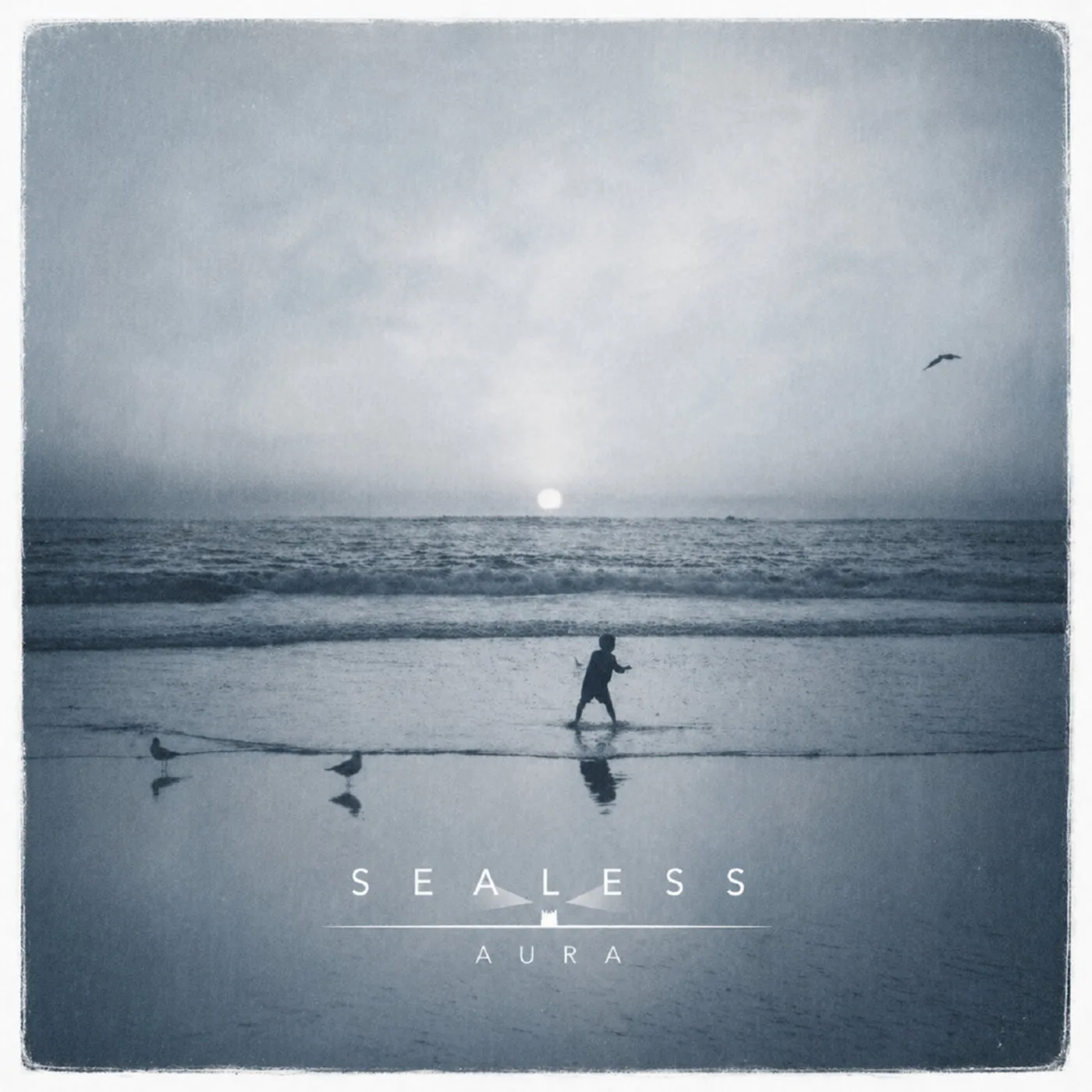
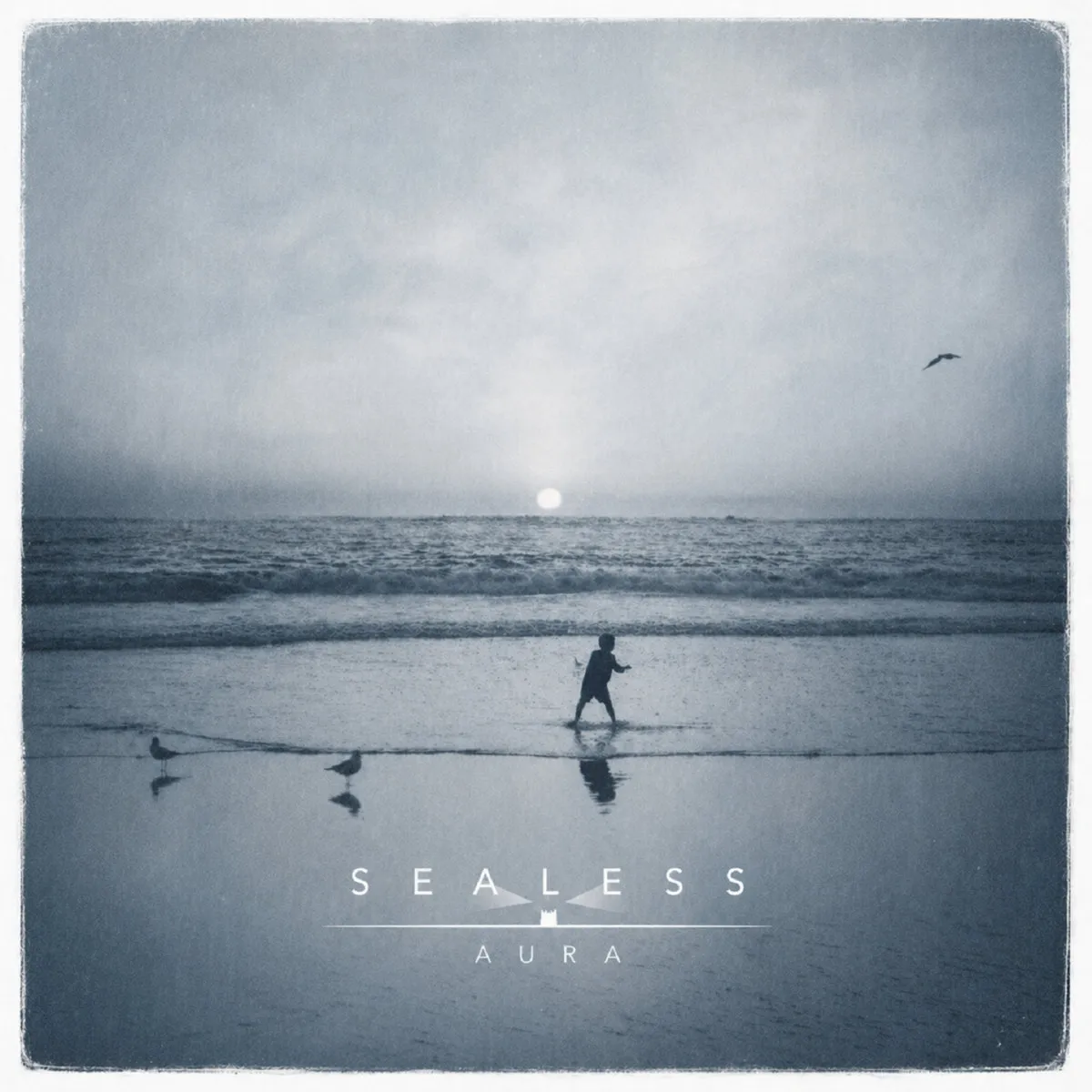
 The first thing on Aura is a clean guitar with a long delay tail. Then a warm, round bass, then drums that have been left mostly unprocessed and a deep growl placed far back in the reverb. “Days of Gone” runs for almost eight minutes on that texture, and the most striking thing about how it sounds is not what is there but what is missing: there is no loudness ceiling, no triggered kick, no click-attack, no compressed wall of sound. The seven-track Polish doom record Aura, recorded at Electric Witch Mountain Recordings in Wrocław by Kamil Ziółkowski and mixed and mastered by Haldor Grünberg, is a record that has decided not to fight for loudness and to spend the dynamic headroom on atmosphere instead.
Sealess sit between genres in a way that is unusual for the Polish heavy underground. The Bandcamp tags read “cold wave, dark wave, doom, melancholy,” and there is also Spaceslug and Mountain of Misery in the band’s own self-description, and all of those reference points are audible without the record sounding like a checklist. “Days of Gone” and “Interiors” are the most clearly doom-rooted, with thick fuzz guitars and patient slow tempos. “When the Water Breaks” pulls into atmospheric post-rock territory with the bass functioning as a sub-foundation and the cymbals washing out into a long hall tail. “The Last Breath of Winter Glow” lives in the cold wave end, the clean melancholic vocal sitting deep in the mix, the synth flooding the space the guitars would normally occupy. The variety is the record’s identity, and the production has the patience to hold it.
The reservations are where the album commits too far to its mumpfig low-mid aesthetic. “In Mortality” is the cut where this is most audible: the kick reads programmed and lacks physical weight, the snare sits flat without natural air, the cymbals have no brilliance, and the distorted whispered vocal sinks into the reverb so deeply that whatever is being said becomes indistinguishable from texture. “The Road is Promising” runs into similar low-mid stacking in its densest sections, though it earns back the credit with macro-dynamic motion between minimalist ambient passages and tonally massive riff walls. The closer “Endless Clouds” steps away from conventional drums entirely, riding a synth-bass foundation and warmly reverberant guitar pads through nearly five minutes of cathedral-spaced atmosphere; whether that is the album’s bravest move or its overreach is the kind of question this record keeps inviting.
What Grünberg has done with the master is the album’s most quietly important production decision. Aura is not pushed for loudness. The mastering is generous, the limiter is not pumping, the dynamic motion between the intimate cleans and the heavier passages registers physically, and the slow tempos of the doom tracks keep their tension because there is room under the ceiling for them to land. For a record that lives this much on atmosphere, that headroom is doing as much work as the songwriting.
The defining production decision is the mastering restraint: across seven tracks the limiter is held back, the dynamic range is preserved, and the slow-tempo doom passages keep their physical weight because the master leaves room under the ceiling. Mix philosophy is warm and analog-leaning with a low-mid emphasis: bass functions as a warm, round low-end foundation rather than as a knurrig independent voice; drums are mostly unprocessed and roomy with kicks that punch acoustically rather than clicking; cymbals have natural air without sibilance. Rhythm guitars carry dense fuzz saturation; lead and ambient guitars are heavy on delay and reverb texture, and the line between guitar and synthesizer blurs in the cold wave passages (“The Last Breath of Winter Glow”). Vocals span deep growls (buried in reverb as atmospheric instrument), clean melancholic baritone (embedded mid-deep in the mix), and distorted whispered passages (sunk deep in the wet room). The recurring weakness is low-mid frequency stacking in the densest moments, where bass and rhythm guitars merge into mumpfig undefined mass and the kick definition disappears (“In Mortality,” “The Road is Promising” in its heaviest sections). The closer “Endless Clouds” abandons conventional drums for a synth-bass foundation with subtle programmed rhythm cues, leaning fully into cathedral-spaced ambient texture.
Standout tracks: Days of Gone for the eight-minute opener that establishes the album’s full sonic vocabulary. Endless Clouds for the closing dive into pure synth-and-reverb texture. Interiors for the warmest, most balanced production moment on the record.
Polish heavy music has a deep stoner-doom underground (Spaceslug, Belzebong, Weedpecker) and a deep cold-wave-and-dark-wave tradition that mostly does not overlap with it. Aura is the rare record that sits in the overlap, with Grünberg’s mastering as its most important production decision and an unusually varied set of moods held together by patience rather than by force. It will not satisfy listeners who want everything loud and forward, and that is exactly the point of the record.