 Bandcamp
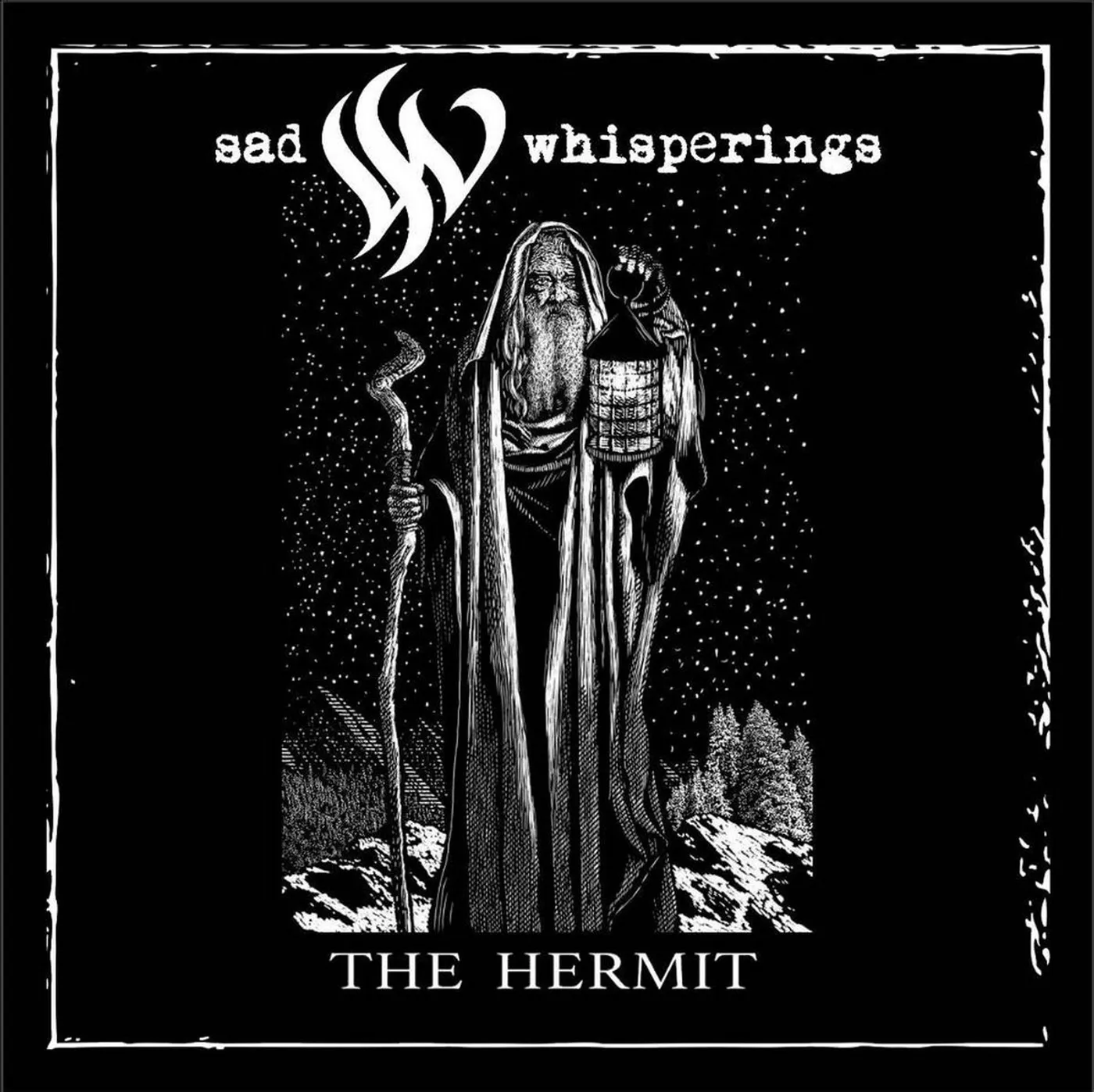
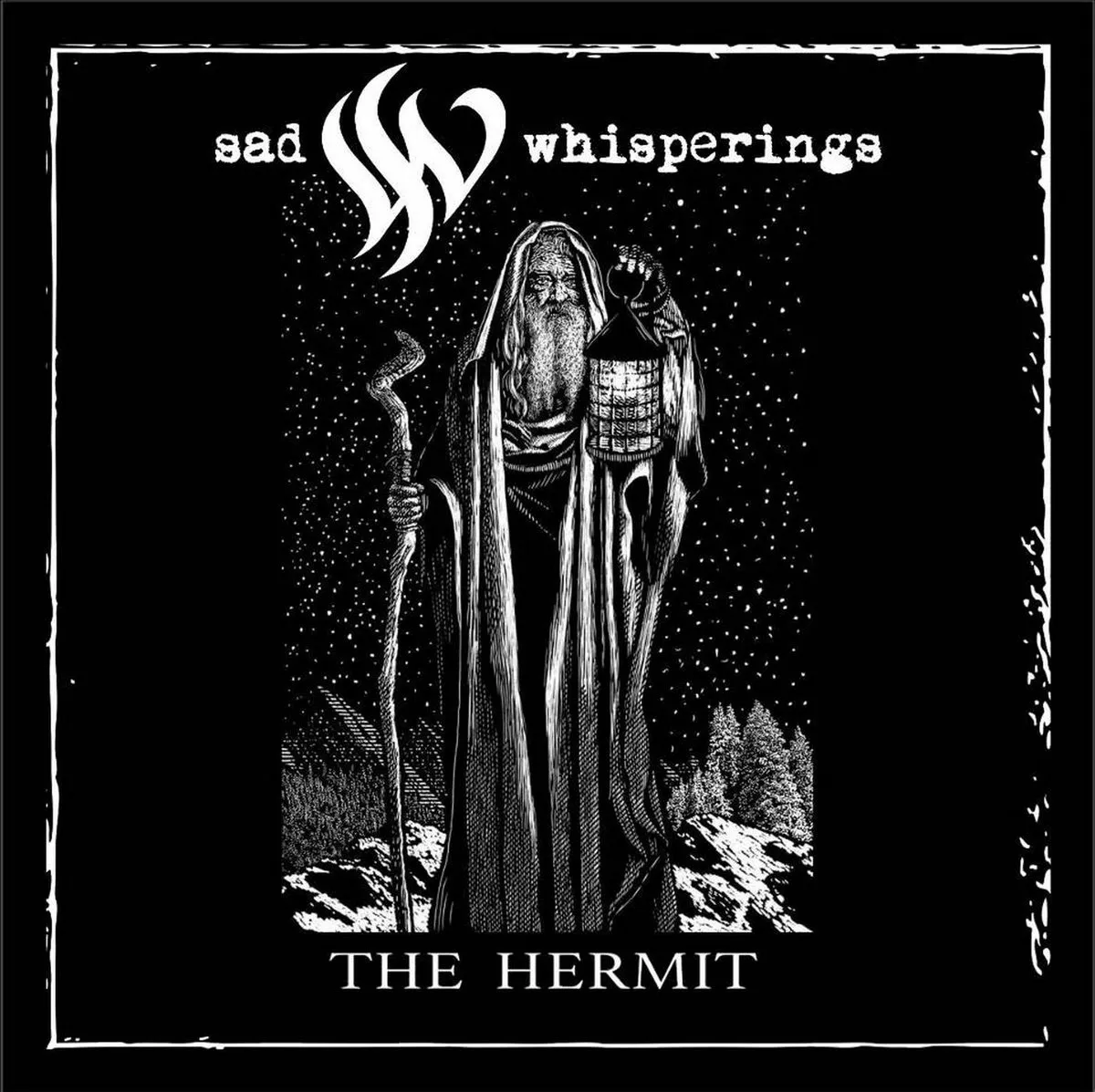
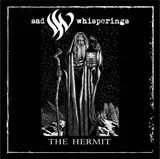
 Sad Whisperings formed in Groningen in 1990 (initially as Desecrate), released Sensitive to Autumn on Foundation 2000 in 1993, hung around for another decade through demos and shifting line-ups, and dissolved in 2004. The Hermit, released 19 January 2026 on the Dutch label Vidar Records, is the first new full-length in thirty-one years. Two members carry it: Christiaan Oldenburger and Alexander van Leeuwen, the Dutch death-doom thread now reconnected. The 4 October 2025 Strategy of Tension EP set up the comeback; this album includes that title track plus seven new pieces. Eight songs across roughly forty-five minutes, sequenced around themes of isolation, propaganda and the way a long withdrawal changes what a band sounds like coming back.
The story is the hook. The record itself is more complicated. The Hermit sits inside a clearly modern death-doom production: dense rhythm guitars with sharp, digital-edged saturation (tracked through tube amps), a bass that fills the low-mid range without holding independent contour, and acoustically recorded drums (cut live and organic at Soundlodge in Germany by Jörg Uken) whose room character varies in how it sits in the mix from track to track. The opening “Heart Of Darkness” runs the harder, more compressed end of that pattern, with growls planted on top of a wall that loses some of its dynamic motion to the loud master. The single “Strategy Of Tension” is by some distance the most distinctive moment, dropping into a rawer, mid-focused, room-anchored mix that feels closer to the genre’s early-90s production values than to today’s pristine separation. The two ends of the album sit a long way apart sonically; the listener’s experience depends partly on which one they end up weighing more.
Where the songwriting clicks
“Mystique” is the cut where Sad Whisperings’ compositional patience surfaces most clearly. The track lives on the contrast between dry-compressed metal sections and spacious, reverb-heavy clean passages, the kind of structural device that traditional death-doom uses to set up its weight: the quiet stretches set the trap, the loud ones spring it. The clean-guitar interludes carry an unforced atmospheric weight, and the growled vocals get out of the way enough to let the structure breathe. “Shadow Work” pulls a similar trick with wide atmospheric synths over a tight rhythmic centre, and “Estranged” closes the album with a dense first half opening into a long, more dynamic back half. These are the tracks that earn the album’s emotional argument; they are also the tracks where the production stops fighting the songwriting.
The reservations are honest. The mastering across most cuts pushes for modern loudness in a way that flattens the dynamic contrast the writing is reaching for, the bass rarely establishes its own line and tends to merge with the rhythm guitar wall in the low-mids, and the acoustically-tracked drums sit unevenly in the mix from cut to cut, their natural room character buried by the loud master on the densest passages. A record about a hermit, about isolation and slow time, would be served by a more dynamically generous production. What it gets is competent and contemporary; what it asks for is patient and worn.
Recurring across the eight tracks: dense rhythm guitar saturation with digital-edged definition that holds on mid-tempo riffs and blurs on speed, bass that fills the low-mids as foundation without independent contour and tends to merge with the guitar wall at the densest passages, acoustically recorded drums (cut live and organic at Soundlodge by Jörg Uken) whose natural room character reads clearly on some cuts (“Strategy Of Tension”, “Mystique”) and gets flattened by the mix on the densest (“Heart Of Darkness”, “Angry Hermit”, where the kick clicks forward and the snare goes dry), and a master pushed for loudness with the cost paid in dynamic contrast across the densest sections. Aggressive death-doom growls (Oldenburger) sit consistently forward-mid in the stereo with solid intelligibility. The standout production decisions are on the cuts that use spatial-clean-to-dense-metal contrast: “Shadow Work” with its wide atmospheric synths over a tight rhythmic centre, “Mystique” with dry-compressed heavy sections against generous reverb-soaked clean breaks, and the closer “Estranged” whose first half is the most compressed on the record and whose back half opens up the most. “Strategy Of Tension” runs the album’s earthiest, most live-feeling production, closer to the early-90s death-doom recording aesthetic than to any other cut here. The recurring weakness is low-mid frequency stacking; the recurring strength is the structural dynamic-contrast device when the mastering is given room to breathe.
Standout tracks: Mystique for the clean-to-heavy contrast at the album’s structural centre. Strategy Of Tension for the rawest, most early-90s-textured production on the record. Estranged for the closer that opens up most across its eight minutes.
Thirty years is a long time to leave a band sleeping. The Hermit does not pretend it is 1993 picking up where Sensitive to Autumn left off; it is a contemporary death-doom record with its weight on the right things (isolation, propaganda, slow erosion) and the production it would have benefited from is the one the genre’s modern conventions made harder to commission. Worth catching up on for anyone who has ever held the Dutch death-doom thread in their hand, and a Hidden Gem candidate for the Sad Whisperings story alone.