 Bandcamp
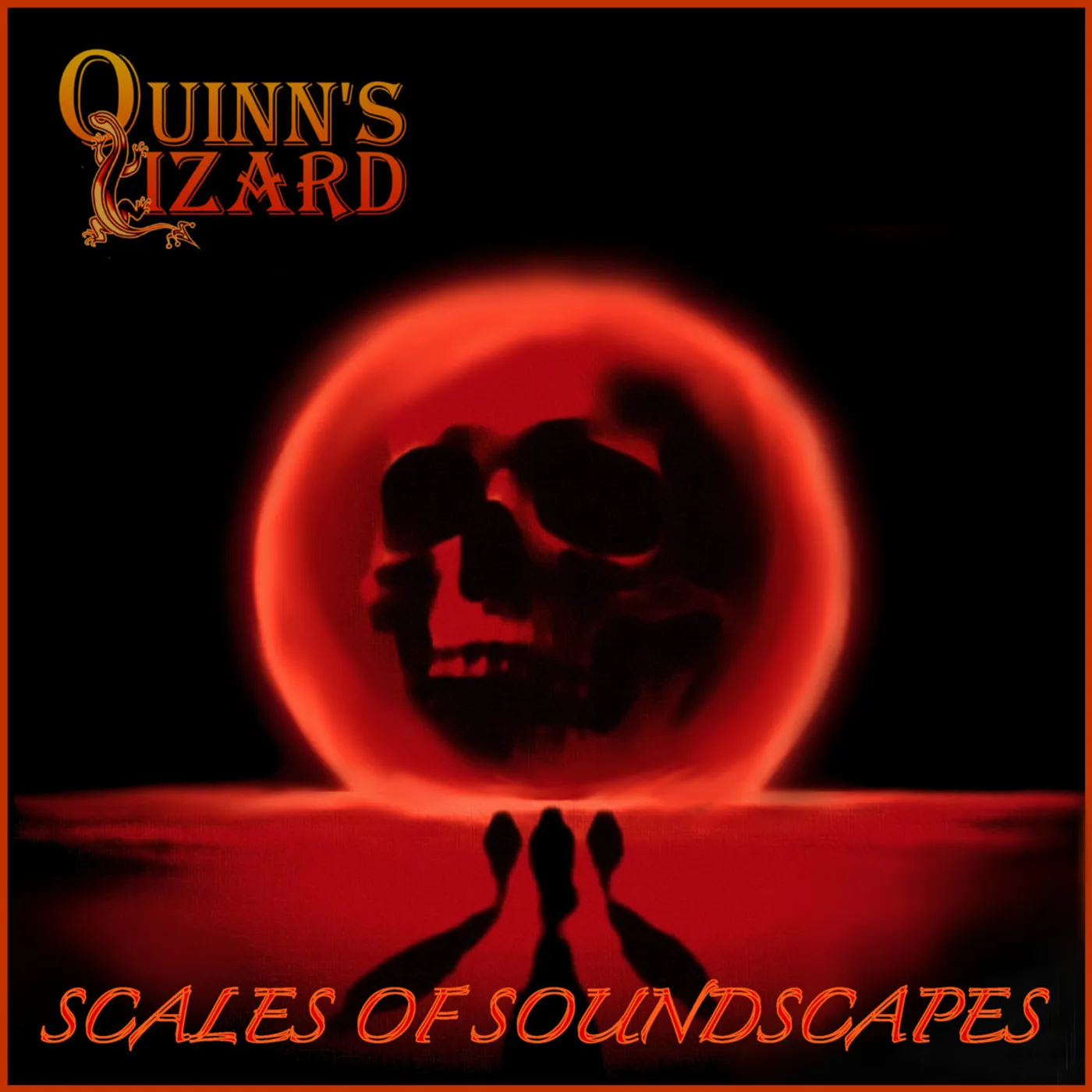
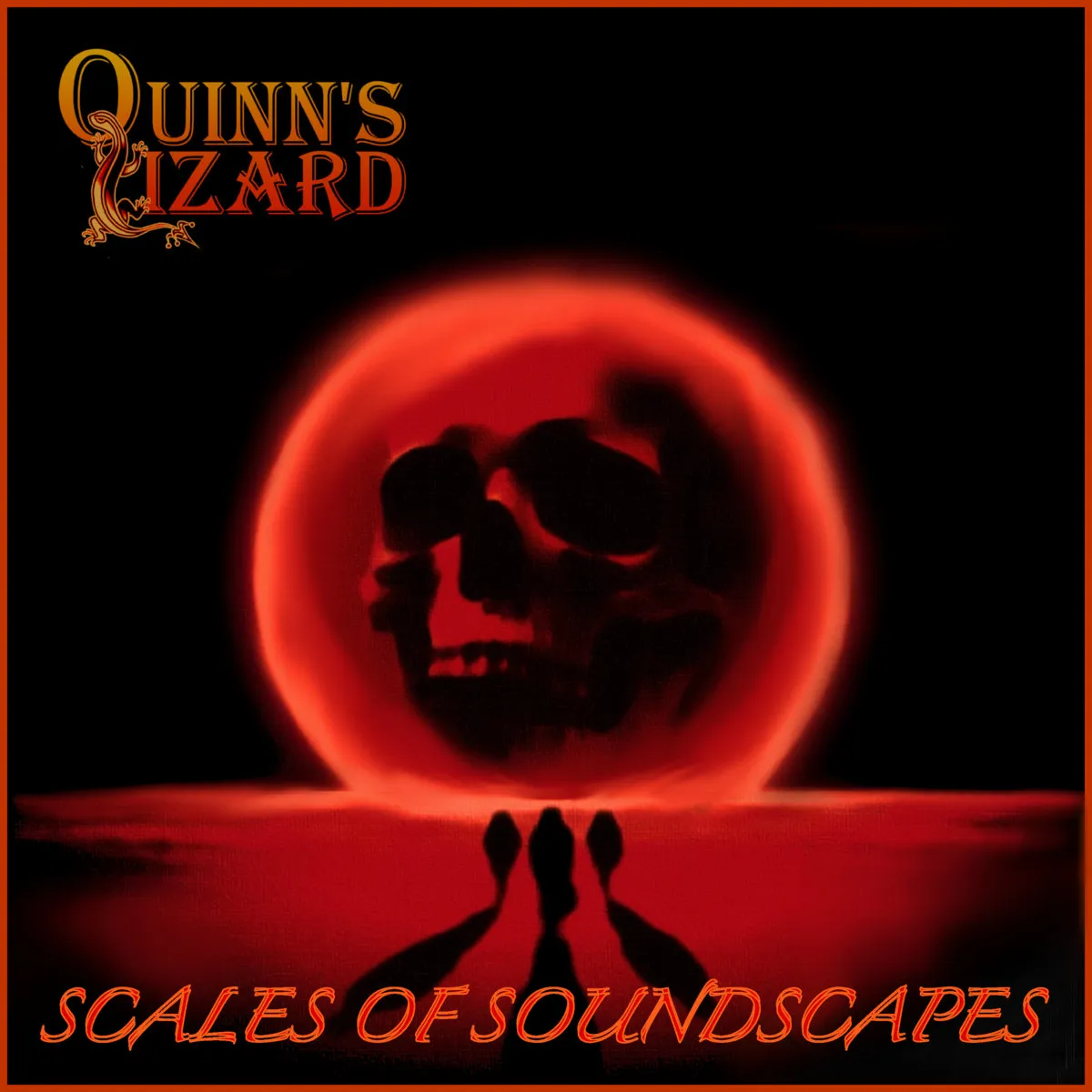
 The band describe this as nearly a decade of London’s grassroots stoner scene distilled into eleven songs across ten tracks, and that framing turns out to be the most useful thing anyone can tell you about it. Scales Of Soundscapes is not an album with a sound. It is a band showing you every room in the house, and the rooms were built in different years.
The trio is at its most convincing when it stops trying to be modern. “The Mountain of a Thousand Battles” is early-eighties epic heavy metal played without irony, a grainy valve crunch, a snare with actual wood in it, a lead voice planted in the centre and audible from the first bar to the last, and nobody has smashed it flat in the master. “21st Century Hoax” does the same trick in NWOBHM shape, dry and mid-forward, with a bass that stays wiry instead of dissolving into the guitars. “Crimson Disc (Desert Song)” is the best thing here, a warm, earthy piece of classic doom with a seventies occult tilt, drums that sound microphoned rather than assembled, and a build that earns its eruption by holding back first. Three songs, three decades, all of them convincingly inhabited.
Then “Evil Truck Inferno” arrives as industrial groove metal with distorted shouts and a master pushed to the ceiling, and the room changes completely. “Postcard (from the Circles of Hell)” is alternative metal with an industrial edge, and the voice on it is the same one that carries “Crimson Disc (Desert Song)”, pitched high enough that it reads as a different singer altogether. “Orange” is thick fuzz sludge where the voice, somewhere between a low growl and a raw shout, sits so far inside the band that the words go under. “Lies” is the closest thing to a modern post-metal piece, and it is genuinely good, downtuned fuzz and a snarling bass building to a real wall. Any three of these would make a record. All ten together make a compilation.
Two things hold across the whole thing and both are in the band’s favour. The first is that almost nothing here has been mastered for loudness, so the quiet passages stay quiet and the drums keep their air, which for a self-released record is a choice worth naming. The second is that when they play in an older idiom they do not condescend to it. The recurring technical cost is a pile-up in the lower middle of the picture, in the range where fuzzed guitars and bass fight over the same ground, and it shows up in “Orange”, in the climax of “Lies”, and in the closing minutes of “See You There”, where the guitars lose some definition exactly when the song wants to feel biggest.
Two voices trade across the album, which the band call interwoven dual vocals, and that is the one element that does hold the thing together. Whether ten tracks of restless range is the point or the problem depends on what you want from a debut-length statement. Taken as a set of songs, several of these are worth your time and “Crimson Disc (Desert Song)” is worth more than that. Taken as an album, it never quite decides who Quinn’s Lizard are.
Corrected on 4 September 2026. This review first described “Postcard (from the Circles of Hell)” as female-fronted. That was wrong. The band’s singer told us it is the same voice that carries “Crimson Disc (Desert Song)”, taken up into a higher register, and the sentence has been rewritten accordingly. The rating is unchanged.
The mixes across this record are unusually honest for a self-released one, and mostly unhurried: guitars with a real valve grain, drums that sound like they were played in a room rather than assembled from samples, and masters that leave the quiet parts quiet instead of pushing everything up to the ceiling. That restraint is the record’s most consistent quality, and it is what makes the older-sounding songs land. The exceptions are the two most modern-sounding tracks, where the level is pushed hard and the sound gets tight and airless. The recurring weak spot is congestion in the lower middle, where the fuzzed guitars and the bass end up in the same space and lose their separation, which costs the heaviest passages some definition right when they should feel widest. Vocals sit forward and stay intelligible almost everywhere, except in the thickest sludge track, where the voice goes under the band.
Standout tracks: Crimson Disc (Desert Song), The Mountain of a Thousand Battles, Lies