 Bandcamp
 The press sheet makes a promise most bands would not risk in writing: that this record favours rawness, physical impact and natural dynamics over excessive production. That is a measurable claim, and it is the most interesting thing about the album, because it is only half true.
Where it holds, it holds properly. “Da Capo” moves between clean arpeggios and a thick, saturated wall without anything flattening out on the way, and the drums sound like a kit in a room rather than a grid. The cymbals stay silk instead of glass, the snare has shell in it, and the low end is allowed to be heavy without being hammered into a ceiling. Second albums from bands on their first release for a label usually go the other way, so the restraint is worth naming.
Where it does not hold is the closer. “QuickSand” is seven and a quarter minutes, the longest and most ambitious thing here, built on a genuine contrast between hollow verses and a wall of a chorus, and it is also by a distance the most compressed track on the record. The dynamic range across it is about a quarter of what “Da Capo” has. You can hear what it wanted to do. The master does not let it.
That leaves an album at odds with its own stated method, and the odd thing is that the tracks pulling in each direction are next to each other in the running order.
There is a second tension that works better. Most of the record sits on a low, sonorous clean vocal, dry and forward and easy to follow, and twice it hands over to an entirely different voice that sings rather than intones. “0315” and “Red River” are the two shortest pieces here, and both are structured around that switch. They are also the two that move fastest, which is not a coincidence. The band clearly know what they have and have chosen to ration it.
The recurring cost is the lower middle. On “F.U.” and again in the “QuickSand” chorus, the bass and the downtuned guitars end up competing for the same narrow band, and a wall that should have depth arrives as one flat layer instead. For a heavy psych record aiming at physical impact this is not fatal, and some of that thickness is the point. But across forty minutes it blunts exactly the riffs it is meant to carry.
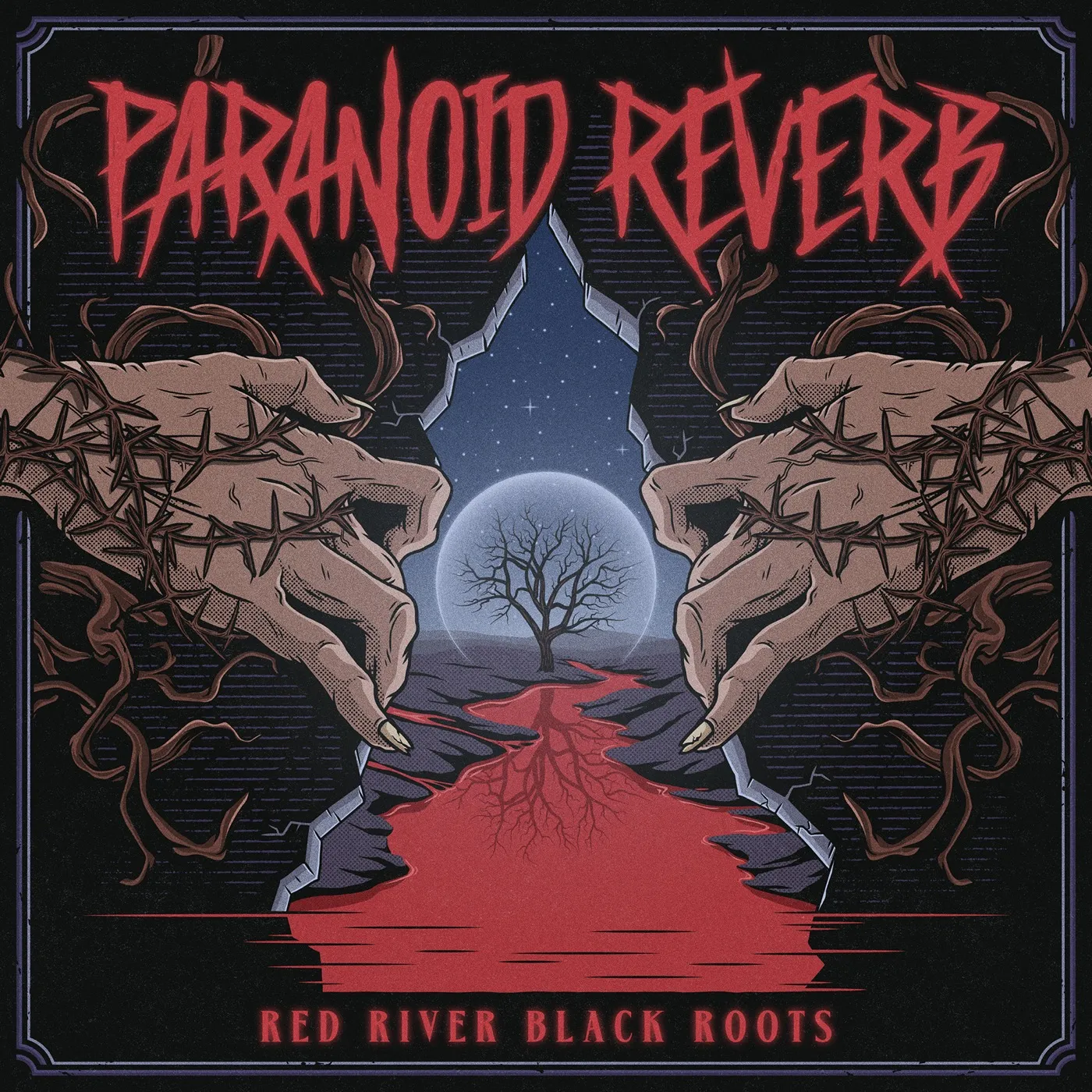
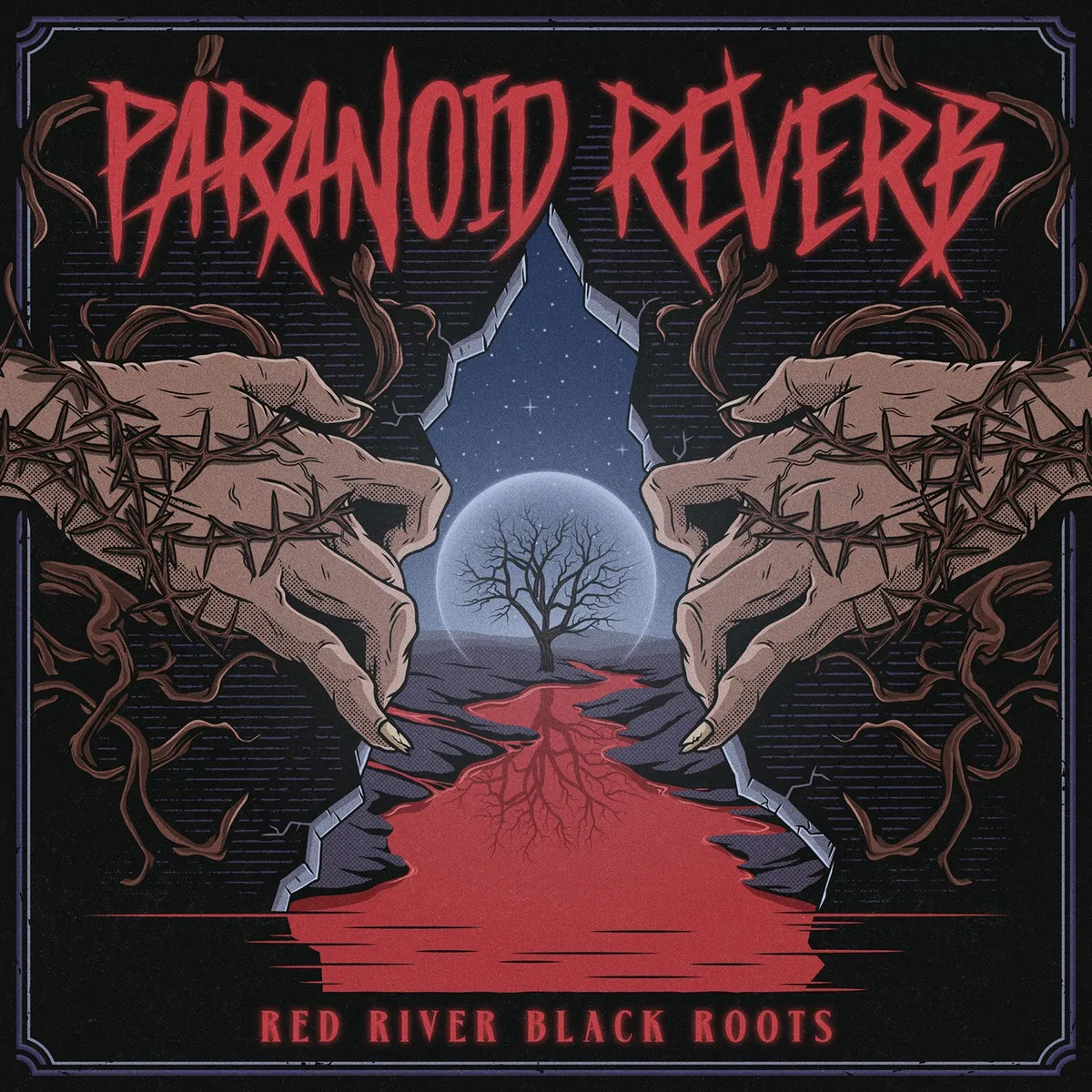
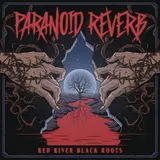
The concept is legible without being laboured. River as descent, roots as return, and a sleeve that makes it literal: hands wrapped in thorns tearing open a wall, and behind it a bare tree whose roots run red into the water. Greek heavy psych is not something that crosses our desk often, and this is a band with a clear idea of what it wants to sound like.
It gets about two thirds of the way there.
The album is tonally consistent across all seven tracks, warm and middle-weighted with no artificial brightness anywhere, which fits a band that says it wanted rawness over polish. What is not consistent is the dynamic range. “Da Capo” and “Red River” keep by far the most room to move, so their quiet passages actually drop away and the heavy sections arrive as a change in size. “QuickSand” sits at the opposite end and stays hard against the ceiling almost throughout, which costs the closer the contrast its arrangement is built around. Across several of the heavier tracks the bass and the downtuned guitars occupy the same lower middle, and the picture loses depth exactly where the weight should land.
Standout tracks: Da Capo, Red River, Acantha