 Bandcamp
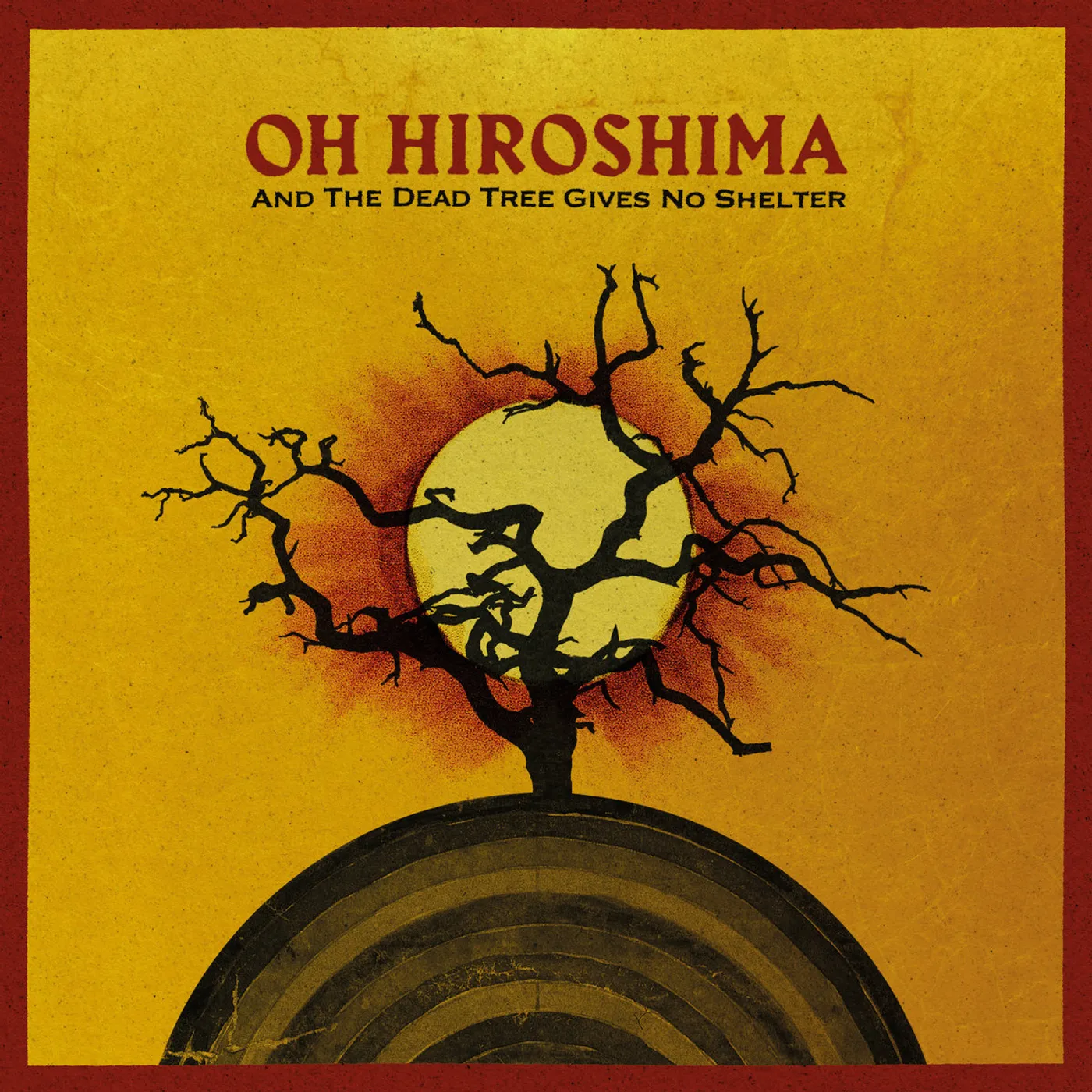
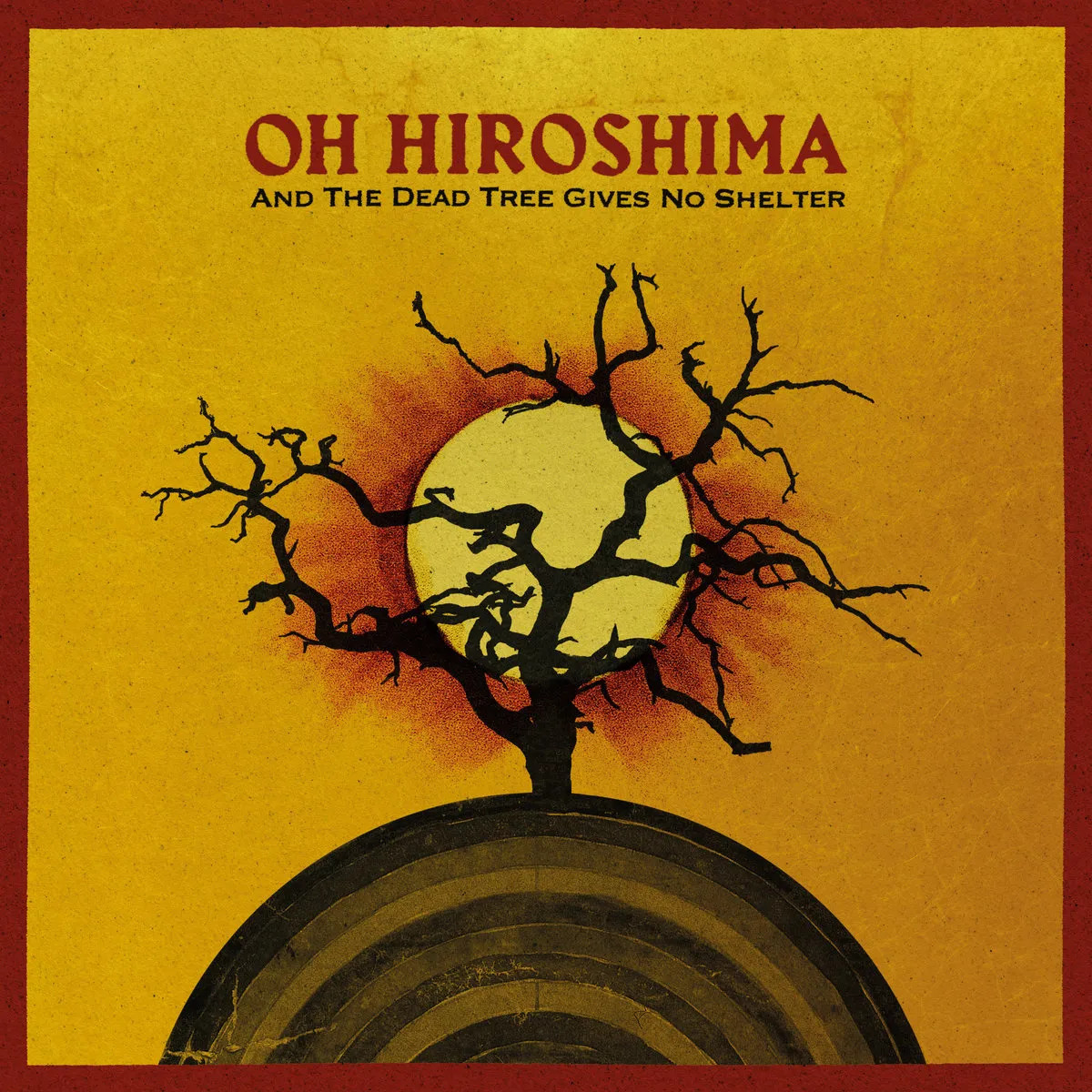
 Most of the reviews on this site arrive at the same reservation: a record reaches for the contrast between quiet and loud, and a brick-walled master flattens the loud half so the contrast never lands. And The Dead Tree Gives No Shelter is the counter-example. The new album from the Swedish post-rock outfit Oh Hiroshima, out 5 June on Pelagic Records, is built entirely on that quiet-to-wall dynamic, and the production is the thing that makes it work: even at full volume the master keeps its headroom, the eruptions keep their physical weight, and the spacious passages keep the tension the eruptions pay off. Eight tracks across roughly forty-five minutes, and for once the dynamic argument the songwriting keeps setting up is one the mastering actually honours.
“Servant of All” opens on that principle. Wide, three-dimensional ambient passages give way to massive fuzz walls, and the dynamics stay intact through the transition rather than collapsing into a single loud layer. “Meridian” is the cleanest statement of the band’s strength: a natural, roomy mix with no extreme compression, rhythm guitars panned wide with a warm mid-saturation that keeps string definition, a kick with organic punch and no artificial click, cymbals that sit silky rather than harsh. It is the kind of mix most loud records in this genre would benefit from and rarely get.
Where the album breathes and where it leans
The record is at its best in the cuts that trust space. “Ivory Town” runs a long, reverb-and-delay clean-guitar passage with a melancholic clean vocal buried deep in the room before a warm distorted wall takes over, and the dynamic range stays lively and uncompressed throughout. “Angelos” sets a present, growling bass and transient-rich drums against the quiet verses so the dense rhythm guitars hit harder when they arrive, though the low-mids start to stack slightly where the bass and the guitar wall meet. The reservations across the album are all in that register: a recurring low-mid overload around 100 Hz where the bass sometimes drives too hard (“Broken Sunlight”), and the densest choruses (“Tree of Life”) where the limiter finally meets its ceiling. They are minor, and they are the exception rather than the rule.
The vocals are used sparingly throughout, sunk deep in the mix as another atmospheric layer rather than as a positioned lead, which is the right call for a band whose whole language is built on instrumental dynamics and the slow build. When Oh Hiroshima let a clean guitar and a wide room carry three or four minutes before the wall, they are doing the thing post-rock is for, and the production gives them the dynamic space to do it.
The defining production characteristic is dynamic preservation: across the eight tracks the master resists the loudness-war flattening that the genre usually succumbs to, keeping real headroom so the quiet-to-wall contrast lands physically. Mix philosophy is spacious and organic, with wide stereo placement, three-dimensional depth staging, and warm analog-leaning guitar saturation that holds string definition in the mid-tempo passages and washes into texture on the densest walls. Drums are a consistent strength: natural roomy treatment, kick with organic punch and no artificial click, snare with a woody room-reverb character, cymbals silky and free of harsh sibilance. Bass is warm and round, anchoring the quiet passages beautifully and occasionally over-driving the low-mids around 100 Hz at full density (“Broken Sunlight,” and the bass-and-guitar stack on “Angelos”). The standout dynamic cuts are “Meridian” (the cleanest, most natural mix, no extreme compression), “Ivory Town” (long clean-guitar-and-delay build into a warm distorted wall, lively uncompressed dynamics), and “Exit Cloud” (atmospheric depth staging with a dreamy clean vocal buried deep). The only recurring weaknesses are mild: low-mid overload at full density and the limiter meeting its ceiling on the densest choruses (“Tree of Life”). Vocals are used sparingly and placed deep as an atmospheric layer rather than as positioned lead.
Standout tracks: Meridian for the cleanest, most dynamic production on the record. Ivory Town for the long clean-to-wall build that uses space the way the genre intends. Servant of All for the opener that establishes the album’s dynamic principle.
Post-rock built on the quiet-loud contrast lives or dies on whether the production lets the loud half mean something, and And The Dead Tree Gives No Shelter is on the right side of that line. Four stars: a well-made, dynamically generous record from a band that knows exactly what its language is, and a quietly instructive example of how much a record in this idiom gains when the master is allowed to breathe.