 Bandcamp
 The strangest track on Northern Graves’ debut is the closer, and the closer is a Richard Marx cover. Hazard, the 1992 soft-rock hit about a man wrongly suspected of murdering a woman in a small town named Hazard, Nebraska, sits at the end of an album otherwise built from atmospheric black metal and funeral doom about ghost towns in Saskatchewan. The decision to put it there is not a joke. Derelict Heart is a concept album about the Canadian prairie as carrier of mortality, written under the influence of Saskatchewan poet Andrew Suknaski, and Hazard fits the concept exactly. Once you understand why, you understand the album.
The Suknaski connection is what makes this work. Andrew Suknaski wrote about the prairie ghost towns of Saskatchewan with a documentary realism that paid attention to the abandoned buildings and the people who had stayed behind in places everyone else had left. Northern Graves transpose that gaze into doom metal across six original tracks, each one a mood-piece about endurance in landscapes that resist it. “A Story Told by the Wind” opens with ninety seconds of orchestration before the first riff arrives. “Lanterns” runs six and a half minutes on a slow build that keeps the doom pacing patient. “Keeper of the Plains” is a two-minute interlude. “Endless,” “Nocturne,” and the title track each push past seven minutes, with the title track running over eight and serving as the conceptual centre.
Then Hazard arrives, and the Richard Marx connection becomes obvious. The original song is a ghost-town narrative. The man in the song is from Hazard. The woman drowns. The town accuses him without evidence. The song’s chorus repeats “I swear I left her by the river” with the kind of insistent clean melody that AOR radio knew exactly what to do with in 1992. Northern Graves cover the song straight, eight minutes long, with Damian Smith and Andrew Caruana sharing clean vocals over the same harmonic structure Marx wrote, and the arrangement opening up enough to let the original’s melodic spine carry through. The cover is not parody. It is the album’s thesis stated in its most accessible form: this is what a ghost-town narrative sounds like when it crosses over into mainstream pop, and the cover allows the band to claim that lineage as theirs.
Beyond the Marx connection, Derelict Heart lives in the same blackened doom territory that Yob and Inter Arma have made familiar, with extra emphasis on the atmospheric and orchestral side that bands like Mournful Congregation work in. The closest comparison in the broader doom canon is probably Bell Witch on the funeral side, though Northern Graves are less austere and more willing to let melodic guitar lines carry sections. The Saskatchewan-via-Houston biography (the band formed in Saskatchewan in 2024 and relocated to Texas) gives the prairie material an outsider’s tenderness rather than a native’s matter-of-factness. Suknaski’s poetry handles the same material from inside, and the band’s interpretation reads as homage rather than appropriation.
The production is where the album’s ambitions occasionally outrun its resources. Andrew Caruana mixed and Brad Boatright mastered at Audiosiege, the same engineer who handled Crouch’s Breaking the Catatonic State earlier this year. Boatright’s signature is audible: contemporary loudness, mid-forward placement, drums close-mic’d and punchy. The trade-offs are the genre standard ones: low-mid density that occasionally fuses bass and rhythm guitars, cymbals leaning toward harshness in the densest sections, vocals struggling to cut through when the orchestration peaks. The Hazard cover is the cleanest-mixed track on the record, and it is also the only track with sustained clean vocals carrying the lead. The contrast is informative: when the band let the arrangement breathe, the production opens up. When the wall-of-sound mode dominates, the mix compresses.
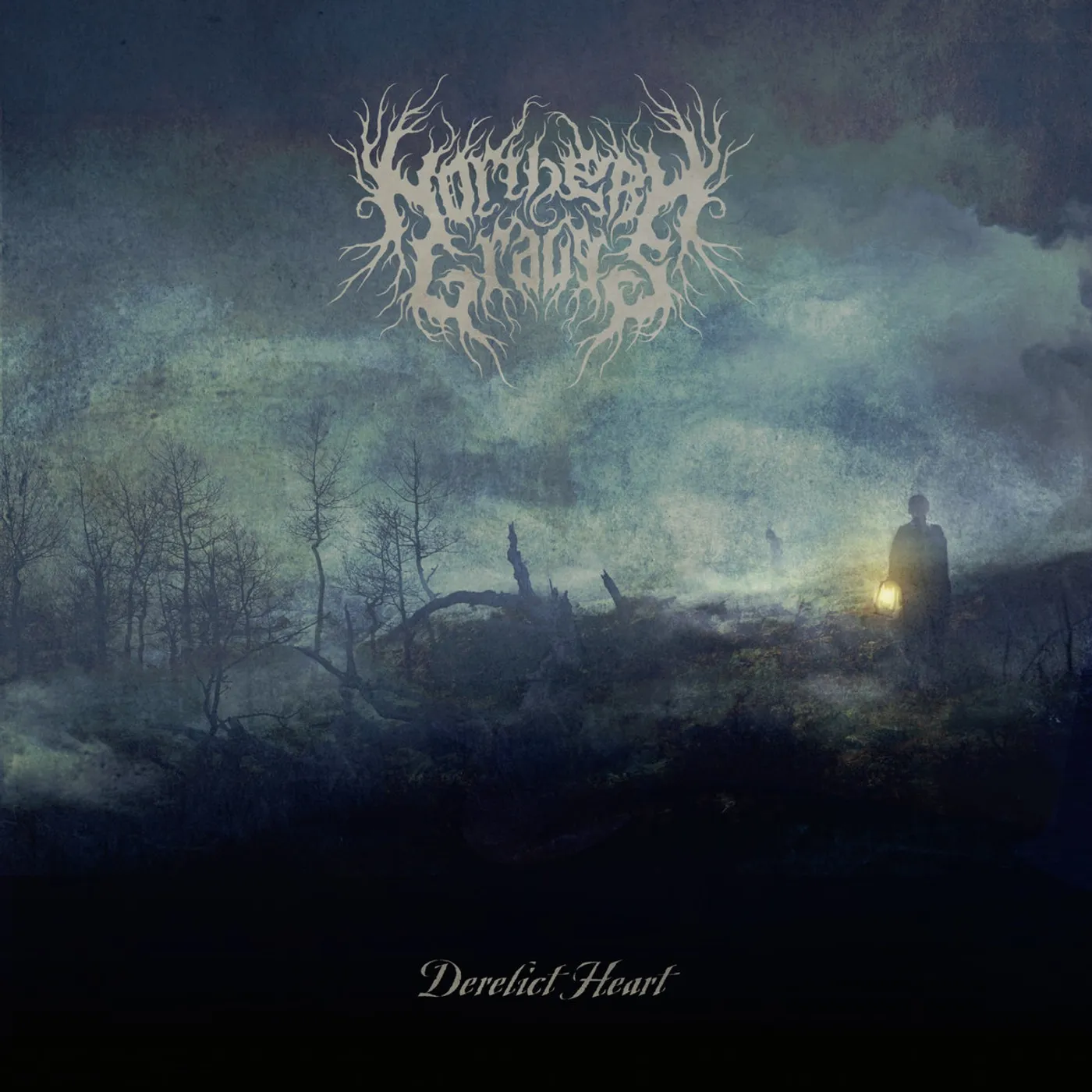
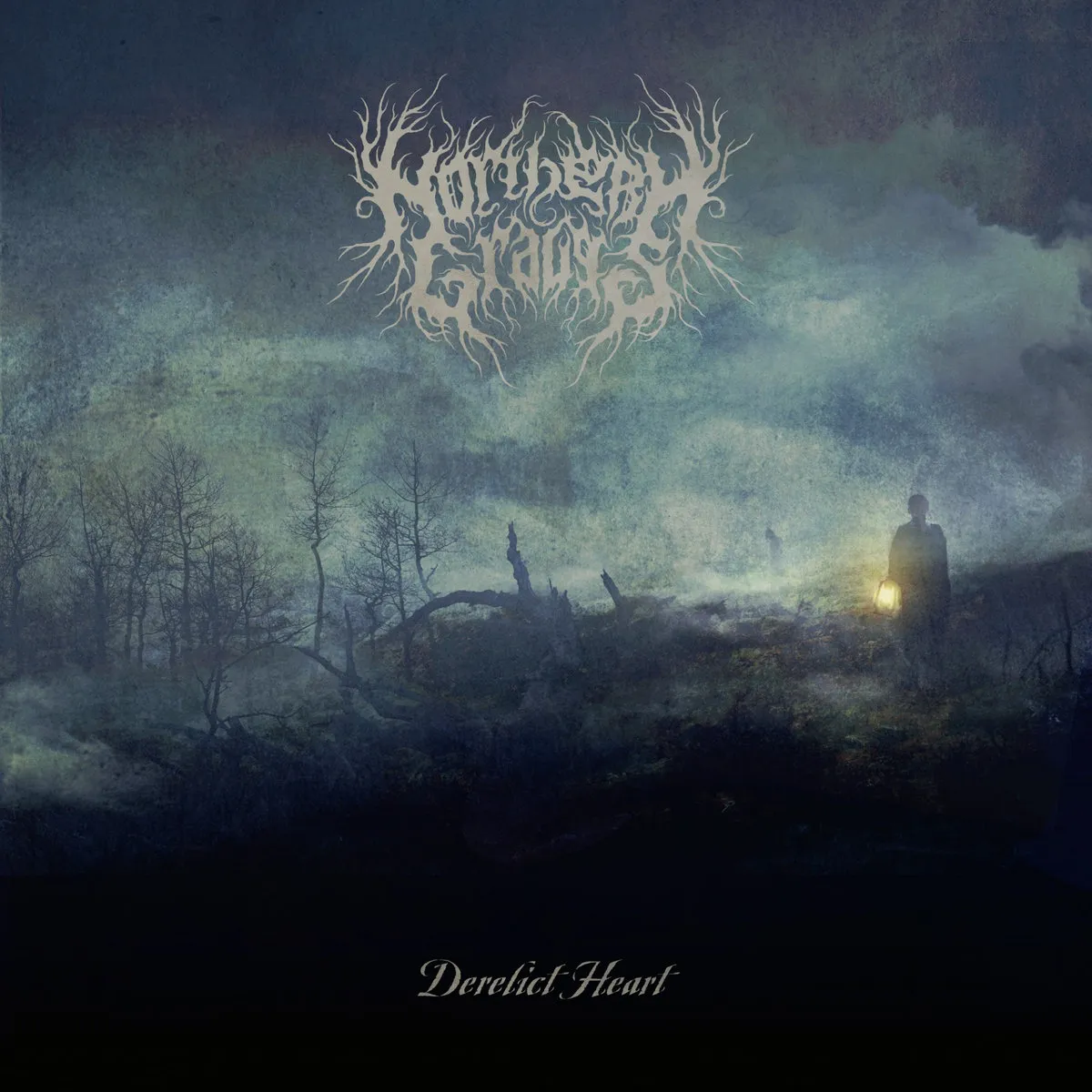
Travis Smith’s cover artwork (Seempieces, also known for Opeth’s longstanding visual identity) places the album in a particular tradition of doom-album visual rhetoric: weathered, bleak, prairie-tonal. The Meuse Music Records / M9 release on cassette, vinyl, and digital signals the band’s audience clearly. This is for listeners who want their concept albums committed to their concepts, even when (especially when) the commitment looks unlikely from the outside.
The mix is dense and mid-focused, with substantial low-mid weight and rhythm guitars dominating the stereo field across saturated stereo width. Bass provides fundamental support but tends to fuse with the rhythm-guitar mass in the heaviest passages. Drums are close-mic’d with kick punch and snare snap, though cymbals occasionally push into harsh territory. The harsh vocals on the original tracks sit competently in the mix without consistently cutting through the dense instrumentation. The Hazard cover is mixed differently, with cleaner vocal placement and more open arrangement architecture, allowing the production’s headroom to breathe. Boatright’s mastering pushes loudness at contemporary levels, with the dynamic contrast between the original tracks and the cover serving as the album’s most legible production decision. Harmonic complexity runs high throughout the original material, reflecting the orchestral arrangements and layered guitar work.
Standout tracks: “Hazard (Richard Marx Cover)” for the eight-minute closer that recontextualizes the entire album. “Derelict Heart” for the title track that anchors the original material’s conceptual weight. “Endless” for the seven-minute build that demonstrates the band’s patience.
Derelict Heart is the kind of debut that respects its source material more than its genre conventions. The Suknaski connection earns the prairie imagery, and the Hazard cover earns the album’s argument that the ghost-town tradition runs through all kinds of music, not just doom. The production carries the marks of contemporary mastering trends and would have benefited from more dynamic range to match the orchestral ambitions. The trade is the trade most modern blackened doom records make, and Northern Graves stay on the right side of it. Worth your time, especially if you can hear Hazard not as a novelty but as the album’s thesis arriving in its plainest form.