 Bandcamp
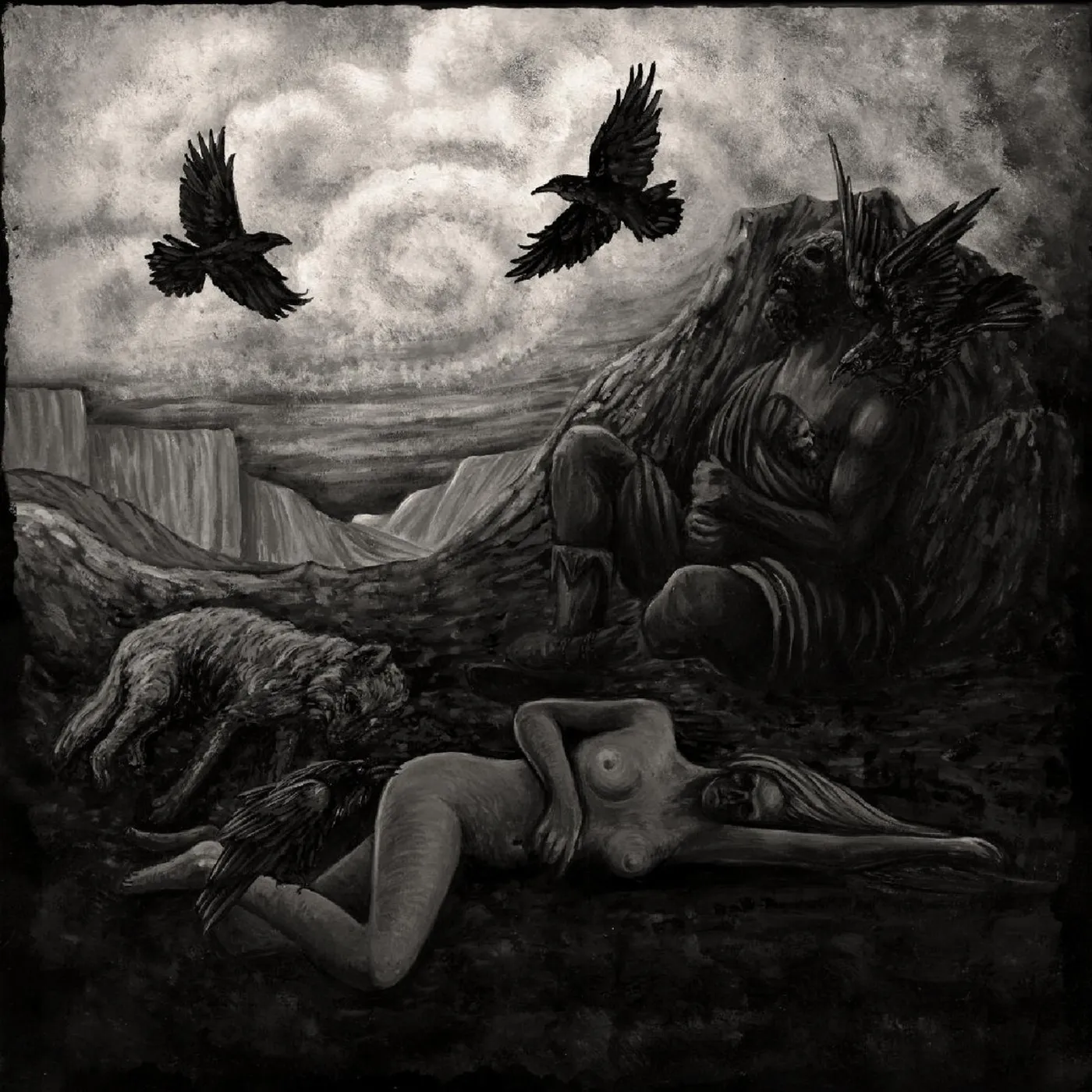
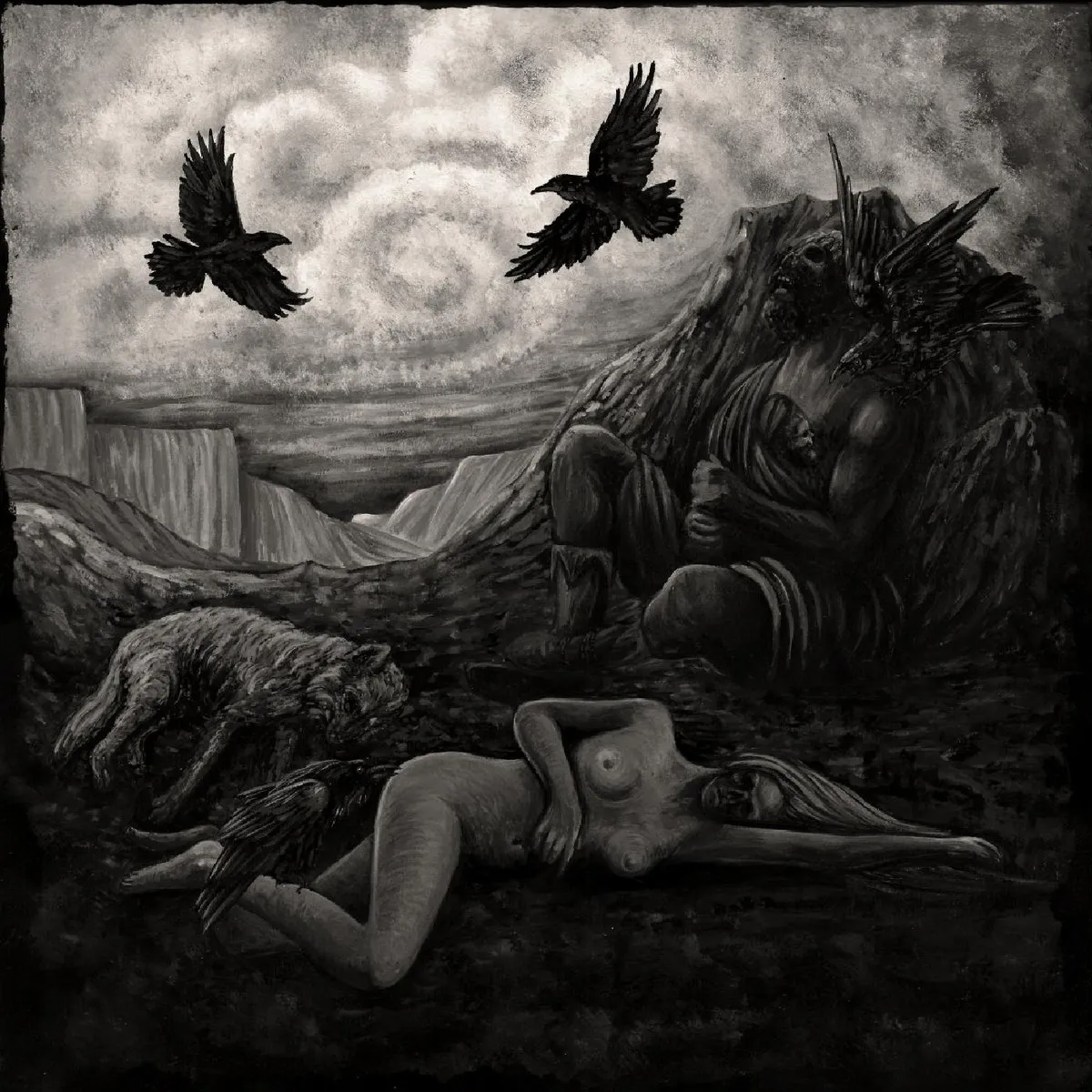
Five years after Vítahringur, the Reykjavík band have made a second album that holds one sound so tightly it took a measurement to find where it moves at all.
Seven tracks, one setting
Every piece on Vesöld puts between 51.7 and 54.3 percent of its energy in the 800 Hz to 5 kHz band. Spectral centre between 2401 and 2702 Hz. Peak to average between 12.4 and 13.6. Average level inside a single decibel across the whole record. Energy below 250 Hz between 16.6 and 18.2 percent.
Those are the five axes I measured most closely, and all five are effectively locked. I have measured records that vary less than this in one dimension, but almost none that vary this little in all of them at once.
This is not an accident of a short recording session. It is a mid-forward, bass-light, treble-present wall held for thirty six minutes, and holding it that steadily takes more discipline than varying would.
The one thing that moves
Dynamic range. “Af bergi brotin” covers 15.7 decibels, “Stormur” covers 8.6, and the rest sit between.
That is the whole vocabulary of this album. With the frequency picture frozen, the only way for a track to distinguish itself is to breathe differently, and the writing uses that. “Af bergi brotin” at track three is where the record first lets daylight in, and “Bölvunin” and “Rottur” at the end both run above thirteen, so the album opens out as it finishes rather than closing down.
“Stormur” is the opposite case and is placed fourth, right after the widest track. Eight point six straight after fifteen point seven is the sharpest contrast on the record, and it lands.
Where the limit is
A record this consistent asks the riffs to do everything, and across seven tracks they mostly do. “Rottur” is three and a half minutes, the shortest and brightest thing here, and it leaves at the right moment.
The reservation is the middle. “Stormur” and “Aumingi” sit back to back at 8.6 and 9.6 decibels, the tightest track on the album and the third tightest, and eleven minutes at one intensity in the centre of a thirty six minute record is where my attention thinned. On a record that varies this little in everything except dynamics, two consecutive tracks that stay still on that axis too is the one place the method works against the music.
Where it leaves me
Four out of five. A band that knows exactly what it sounds like and spends an album proving it.
One housekeeping note that belongs in the open: this is the first Icelandic record in our archive. Five hundred and nine reviews before this one, every country field among them checked, and not one of them Iceland until now, which says more about us than about Iceland. Dark Descent put this out on the sixteenth of October.
Start with “Af bergi brotin” and then go straight to “Stormur”. Those two back to back are the album in four minutes of contrast.
The striking thing here is how little moves. Midrange between 51.7 and 54.3 percent on all seven tracks, spectral centre inside 301 Hz, peak to average inside 1.2 decibels, average level inside a single decibel, and bass below 250 Hz inside 1.6 percentage points.
Against that, the dynamic range runs from 8.6 to 15.7 decibels, nearly a doubling. It is the only axis doing any work, and the sequencing puts its two extremes side by side at tracks three and four.
The closer is the shortest and brightest piece at 2702 Hz with 19.5 percent above 5 kHz, both album maxima, which is an unusual way to end a black metal record and the right one here.