 Bandcamp
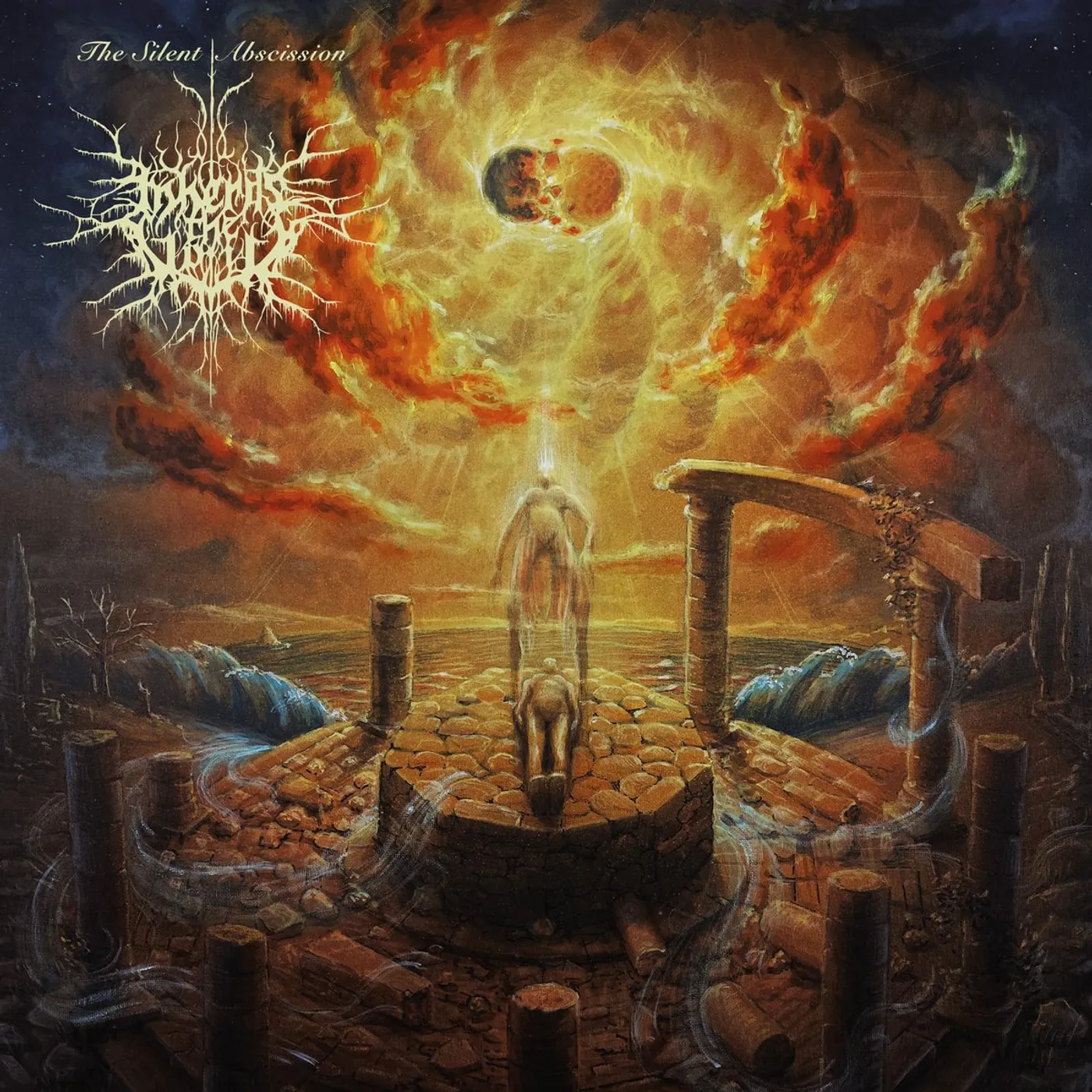
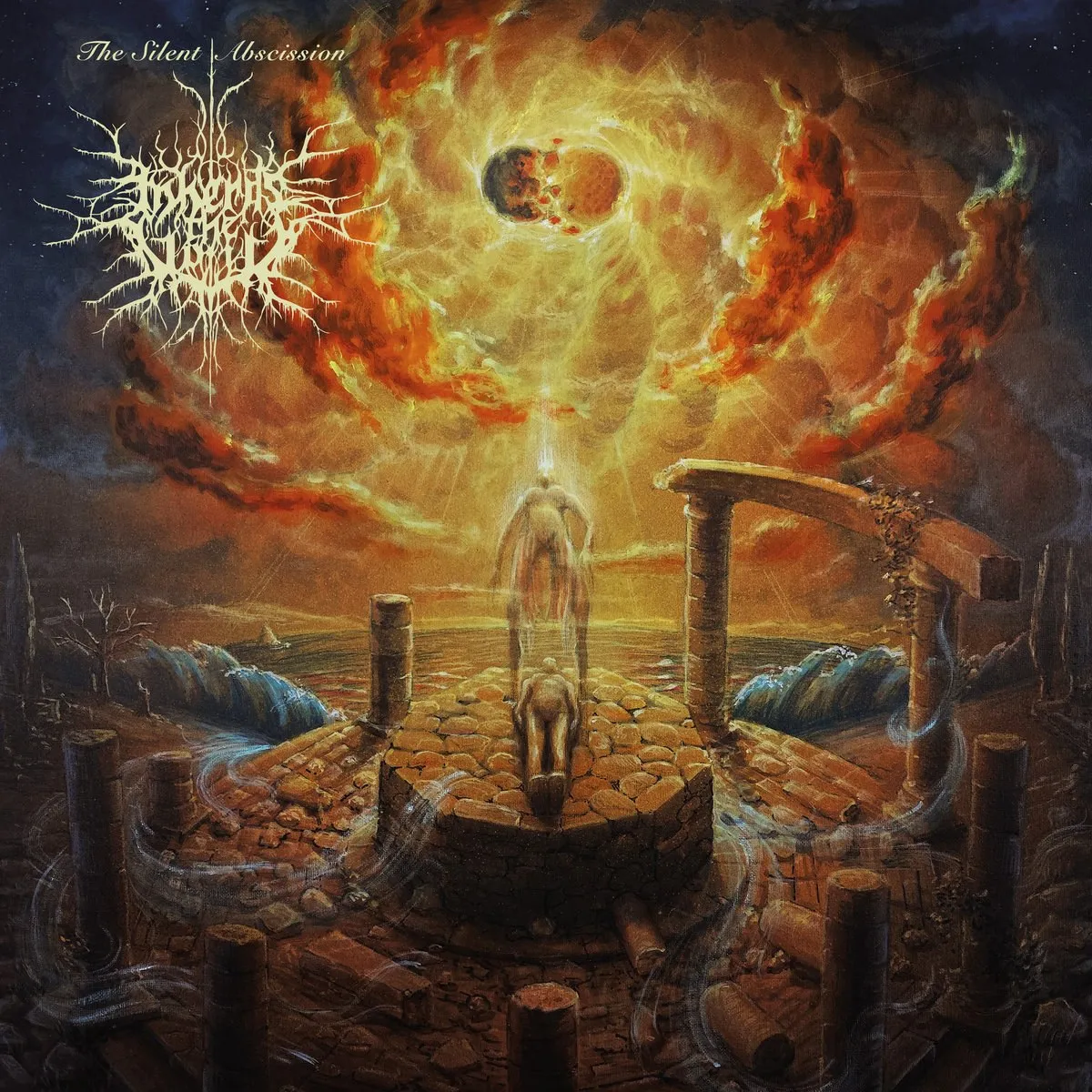
 Abscission is the word botany uses for the moment a plant cuts a part of itself loose -- the chemical process by which a leaf is severed and let fall. The Silent Abscission, the fourth album from the French atmospheric black metal project Inherits the Void (due June 19 on Avantgarde Music), takes that figure of deliberate severance and stretches it across eight tracks about erasure, cosmic implosion and isolation. AS, the project’s sole architect, has framed the record as “a journey through eight visions,” and the title’s quiet violence -- a cutting-loose that happens without protest -- is the thread that runs through the whole thing.
This is the fourth Inherits the Void record in five years, after Monolith of Light (2021), The Impending Fall of the Stars (2023) and Scars of Yesteryears (2024), all on Avantgarde Music -- the same label that put out Downfall of Nur’s decade-in-the-making return earlier this month, and a useful marker of where AS sits: the modern, melodic, atmosphere-forward wing of French black metal rather than the raw or the orthodox. The reference points the project cites (Vinterland’s frozen melodicism, the incantatory fury of Misþyrming) are the right coordinates, though The Silent Abscission lands closer to the polished end of that spectrum than either.
The album moves the way its concept promises -- collision and collapse. “The Sepulcher of Time” opens with sawing, sharply-defined riffs and a melodic guitar lead surfacing in its final third; “The Dawn Over Ruins” sets the album’s defining structural move, an abrupt cut from dense wall-of-sound into a wide, almost cinematic clean passage before the eruption returns. That contrast -- blasting density against sudden cathedral-quiet -- recurs across the title track (where a minimalist bass-led middle section opens the floor beneath the wall) and “In the Shadow of the Falling Star” (where the clean break is the track’s emotional centre). When AS lets the harmonies collapse into silence, the concept and the composition are doing the same work, and those are the album’s strongest moments.
The reservation is the production, and it’s a real one. The Silent Abscission is mixed for maximum modern clarity -- razor-sharp instrument separation, triggered-sounding drums with a hard click-forward kick, guitars with an aggressive digital saturation -- and the cost is the organic life that atmospheric black metal usually trades on. The mastering is pushed loud enough that the dynamic argument the songwriting keeps setting up gets flattened in the densest passages, the cymbals push toward fatigue in the upper frequencies, and the low-mids stack around 250 Hz when everything’s firing at once. The clean interludes breathe; the heavy passages, paradoxically, don’t quite, because the limiter has already spent the headroom. It’s a record that would hit harder with less polish -- the melodies and the structural ambition are there, but the surface is buffed to a sheen that works against the frostbite the genre wants.
Heard as a preview off the promo stream, the album’s shape is clear: a concept record with genuine compositional intent, a strong sense of melodic-atmospheric drama, and a production approach that’s the main thing standing between it and the higher mark. Whether the final master differs from the promo is worth checking at release; for now this is a three-star atmospheric black metal record with a four-star concept inside it.
Eight tracks (seven cleanly analysed from the promo stream; the closer’s metadata read incomplete). Mix philosophy is consistent across the album: modern, transparent, razor-sharp in separation, and heavily compressed. Guitars carry an aggressive digital-edged saturation with good chord definition on the mid-tempo passages, blurring on the fastest; bass functions as a low-frequency foundation that only finds independent contour in the quiet middle sections rather than as a gnarly driving voice. Drums read strongly triggered/edited -- click-forward kick cutting cleanly but sterile, snare with controlled-to-flattened sustain, cymbals pushing toward harshness above 10 kHz. Vocals alternate harsh screams and growls (forward, articulate) with processed clean passages layered spatially over the instrumental bed. The album’s recurring and most effective structural device is the abrupt contrast between dense wall-of-sound passages and wide cinematic clean breaks -- those breaks carry the dynamic argument the heavy passages lose to the loud master. Frequency stacking around 250 Hz and the over-bright cymbal work are the production’s weak points, producing listener fatigue at full density; the clarity is technically impressive but comes at the cost of organic atmosphere.
Standout tracks: The Dawn Over Ruins for the cleanest version of the album’s wall-to-cinematic-clean contrast. The Silent Abscission (title track) for the minimalist bass-led middle that opens space beneath the density. In the Shadow of the Falling Star for the clean break that lands as the album’s emotional core.
A preview verdict, with the final-master caveat noted: The Silent Abscission is the work of a project four albums deep into a clear identity, with a concept that earns its eight-vision structure and melodies that justify the atmospheric-black framing. The over-polished production is the one thing holding it at three rather than four -- and it’s worth hearing on June 19 to judge whether the release master loosens the grip the promo’s loudness keeps on the songs.