 Bandcamp
 Goatsmoker have spent a decade as the Copenhagen doom band that emerged from a Cold War bunker, which is the kind of origin story a press sheet writes itself around. The band’s early records leaned into stoner-influenced riff worship. E.R.I.S. is where they walk away from that. Guitarist and vocalist Andreas Krohn has said the record marks a deliberate shift “into the heavier and dirtier realms of doom,” and the five tracks here make good on that framing, trading the fuzzed-out groove of earlier releases for something slower, denser, and more deliberately post-metal in its structure.
The tracklist reads as a doubling down on the album’s thesis. Five songs, none shorter than six and a half minutes, two past nine, and a total runtime just over forty minutes. “Cursed” opens the record at nearly ten minutes with a patient riff construction that establishes the pace for what follows. The band are not rushing, and the track’s first four minutes are spent earning the weight rather than delivering it. When the main riff finally lands, it has the cumulative pressure that short-form doom cannot generate no matter how heavy the individual parts.
“Gods of Gunzilla” is the album’s most immediate track, built on a groove that could support a thirty-minute extended jam but arrives in seven. “Entropy Reigns in Silence,” at just under ten, is the most structurally ambitious piece on the record. The song moves through three distinct sections, each built from a different rhythmic foundation, and the transitions between them work because the band have the patience to let each one breathe before the next arrives. This is the track where the band’s post-metal ambitions come through most clearly, and it is the record’s compositional high point.
“Dakhma” closes the album with Lasse Flaaten Husmer’s backing vocals adding weight to the main vocal line. The title, referring to the Zoroastrian towers of silence where the dead are exposed to vultures, is not subtle, and neither is the song’s funereal pacing. It works because the album has built toward it across the previous four tracks. Without the cumulative weight, the closing statement would feel melodramatic. With it, the song has earned the register.
The band are transparent about the production choices. Andreas Krohn recorded and mixed the record himself, which gives the album a particular kind of self-contained quality but also limits some of the engineering polish. Simon Sonne Andersen from ORM handled the mastering, which pushes the loudness hard enough that the dynamic contrasts in the heaviest passages compress into the same wall of sound. The riffs are massive and the guitar tone has the saturated grit the band are clearly aiming for, but the bass articulation gets muddied in the dense mid-low territory where the guitars and kick drum are already competing for space. A slightly sparser mix approach would have let the individual elements breathe more without sacrificing the weight.
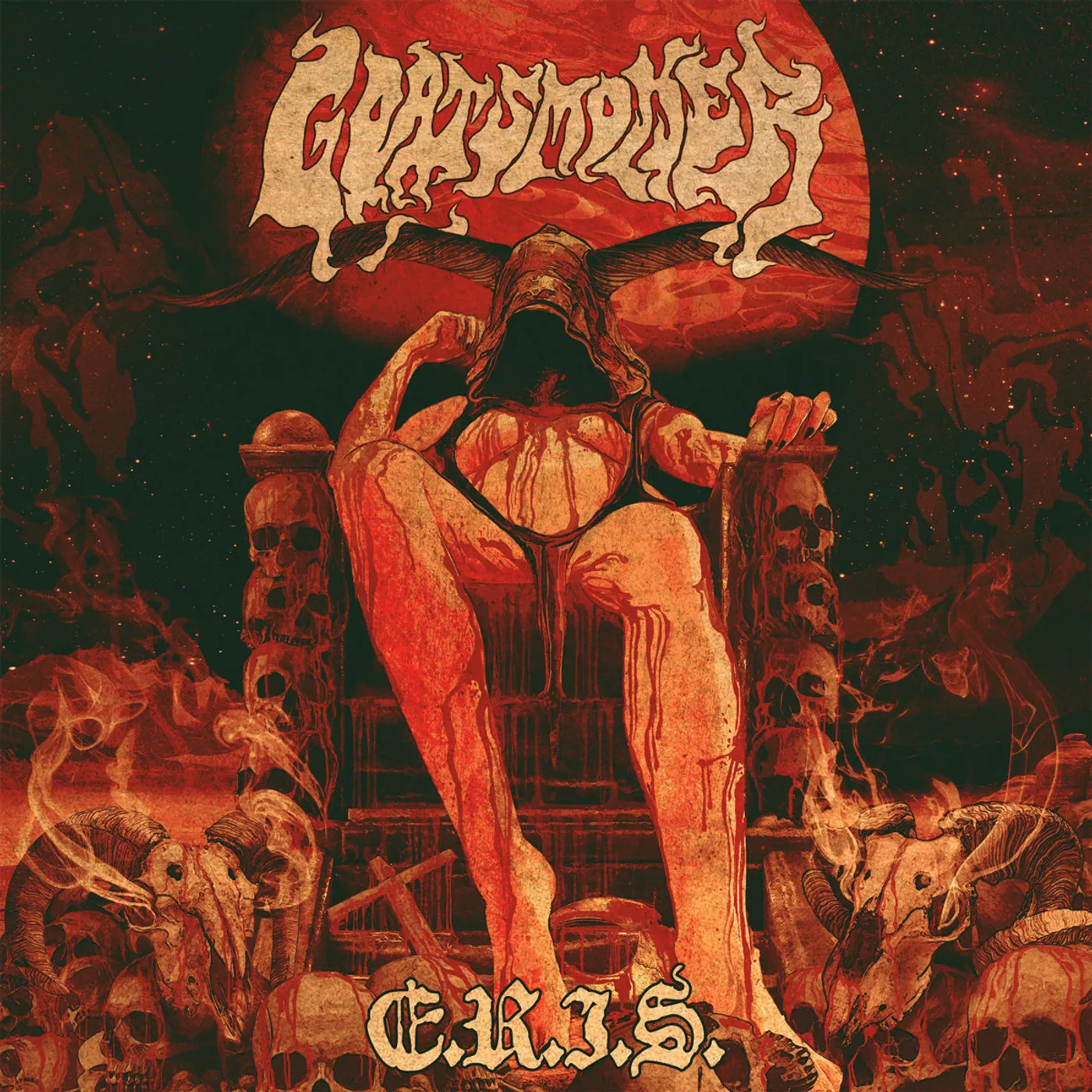
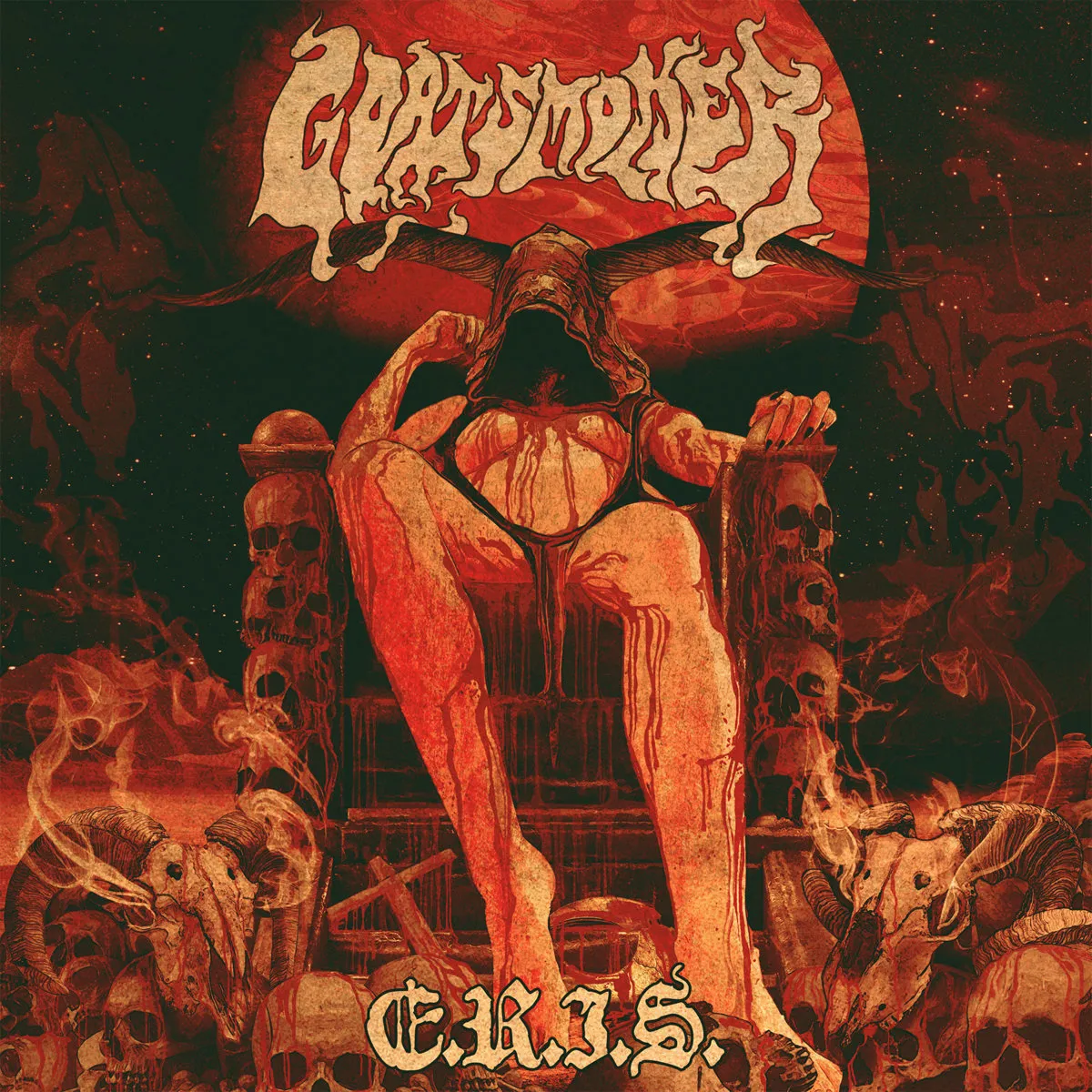
The kin on this record, at least in spirit, are bands working the same slow-patient vein without relying on shock tactics. Bell Witch sit at the most meditative end of that territory, and Goatsmoker are a few notches more aggressive but playing the same long-form game. Pothamus, on the ambient-doom end, share some of the same patience. Among the more sludge-inflected end of the spectrum, Moloch approach similar territory with more punk and less post-metal structure. Dylan J. Davies’ artwork ties the album to the visual lineage of Petrichor-era doom covers, which is appropriate: E.R.I.S. is the kind of record that assumes a listener who already knows what to expect and will sit with it.
The mix is dense, mid-heavy, and mastered at contemporary doom loudness levels. Guitars dominate the mid and upper-mid range with substantial saturation and width, carrying most of the melodic and textural content. Bass sits underneath and provides weight but tends to fuse with the guitar frequencies in the heaviest passages, limiting its articulation as a distinct voice. Drums are close-mic’d, with kick providing low-end punch, snare sharp and present, cymbals controlled and free of harsh transients. Vocals are harsh, with a subtle reverb tail that opens the space around them, and they sit prominently enough in the mix to carry despite the density. Dynamic range is compressed within the heavy sections, though the song-level structural shifts (clean intros, quieter passages) read clearly through the arrangement. Harmonic complexity runs high throughout, reflecting the layered guitar work.
Standout tracks: “Entropy Reigns in Silence” for the three-part structure that makes the best case for the album’s post-metal ambitions. “Cursed” for the opening ten minutes that teach you how to listen to the rest. “Dakhma” for the closing piece that earns its weight through patience rather than force.
E.R.I.S. is a solid step for Goatsmoker into territory that suits them. The band have traded immediacy for patience, and the compositional returns justify the trade. The production choices flatten some of the dynamic contrast that would have sharpened the record further, but the core of what the band are trying to do lands. Worth hearing for listeners who want slow-form doom with genuine structural ambition, with the caveat that the mix would have benefited from more separation between bass and guitars.