 Bandcamp
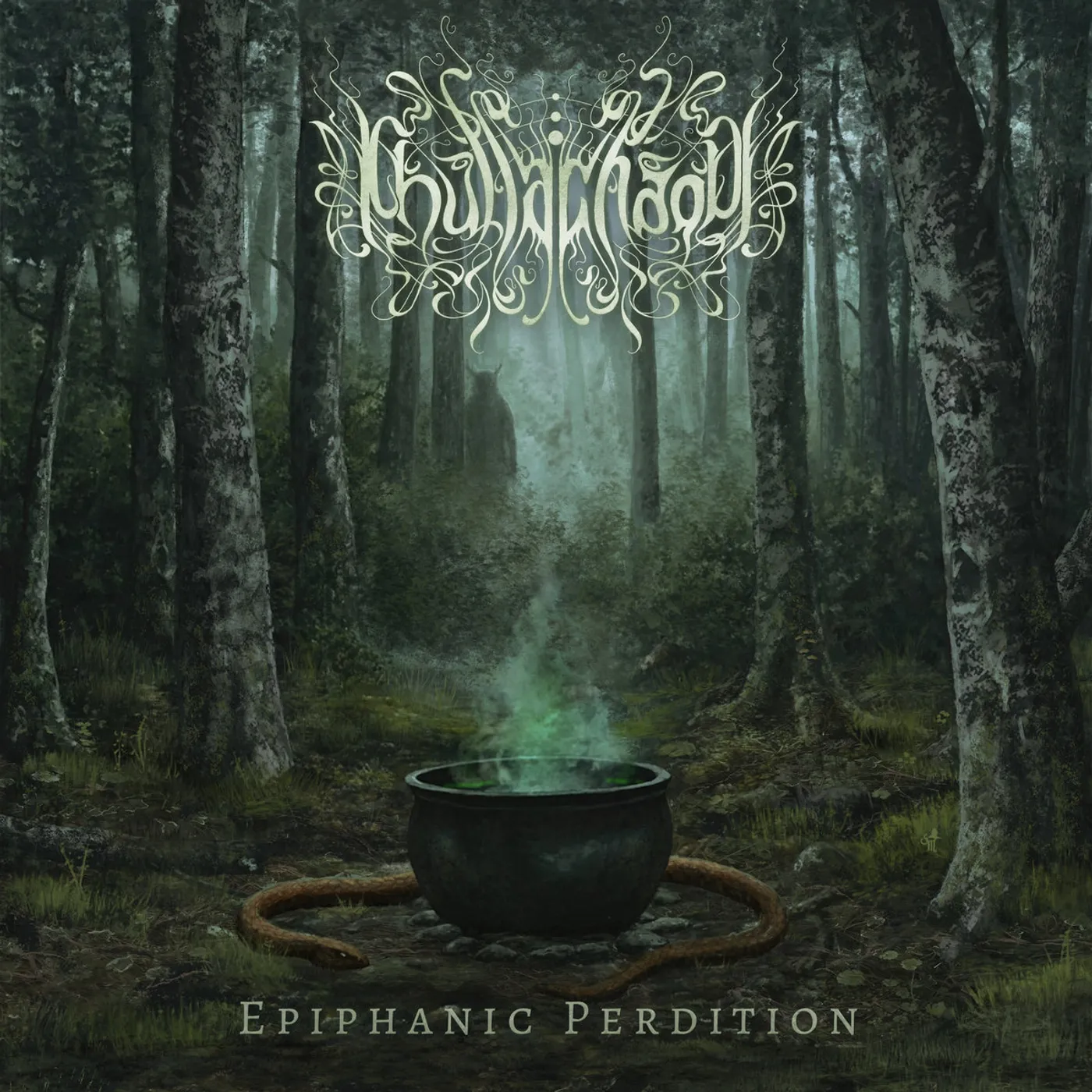
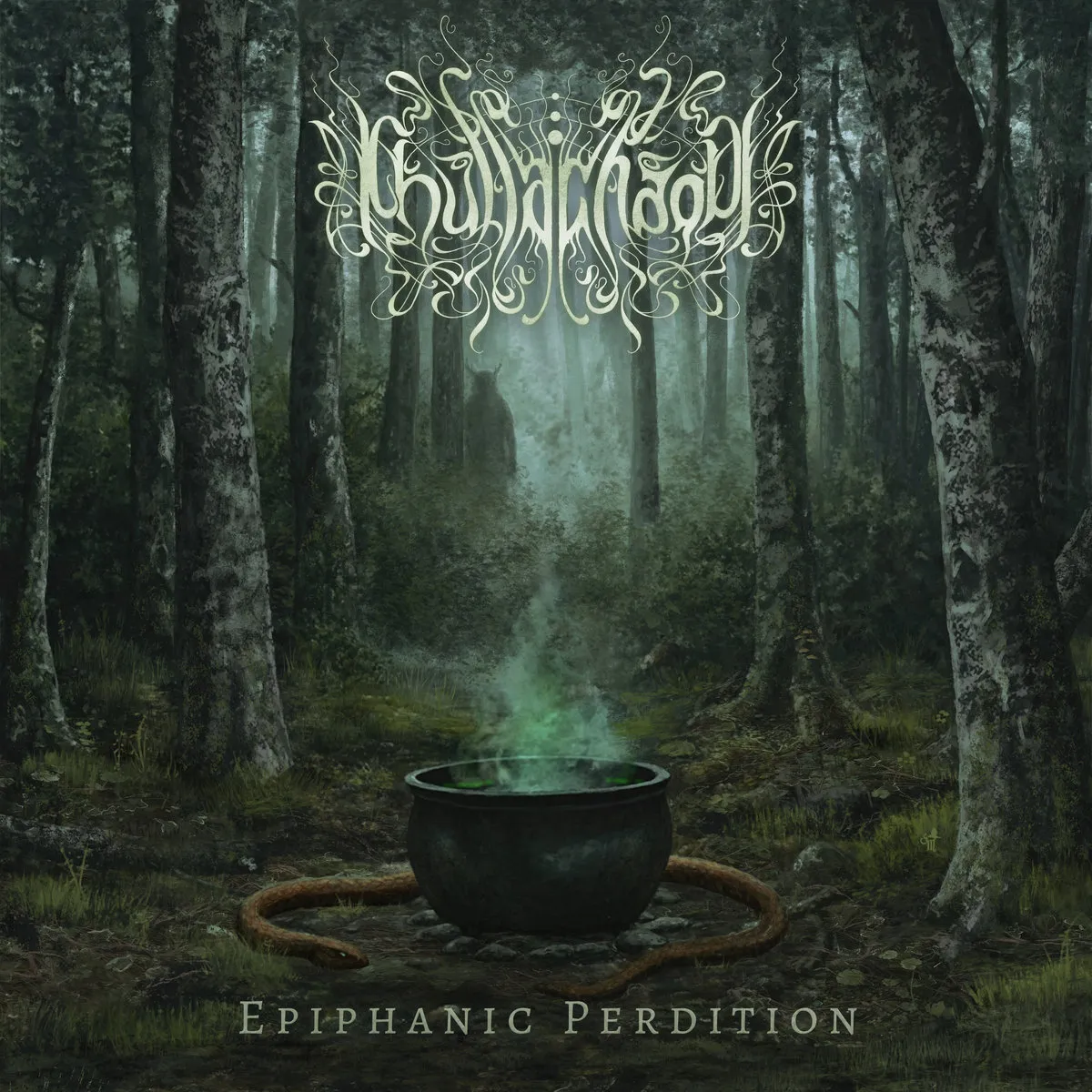
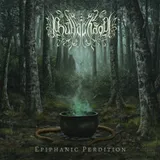
 Epiphanic Perdition exists because the songs didn’t fit anywhere else. It is the debut album of Chullachaqui, the solo project of Matt Cooper, vocalist and bassist of the UK band Vulgaris, built from material written before and during his time in that band that did not suit its sound. Cooper plays nearly everything here (vocals, guitars, bass, drum programming), with Jess O’Toole guesting on additional guitars and solos across four tracks and George Mitchell on live drums for one. The result, out 5 June, is a London post/doom/sludge record that moves through drone and progressive metal across six tracks with a deliberately wide spread of scale: a fifteen-minute centrepiece, a fourteen-minute closer, and a forty-two-second fragment between full-length crawls.
The aesthetic is raw and cavernous on purpose, and that is both the record’s identity and its limit. “Yakruna” opens on a dark, low-mid-dominant mix where the highs barely register, the drums sit organic and roomy like a live take, and the guitars build a fuzzy, highly-saturated wall that trades string definition for density. Crucially the mastering stays uncompressed and alive, so the murk reads as atmosphere rather than as a loudness-flattened wall. That restraint is the best thing about the production: this is a dense, dirty record that still breathes.
The long pieces are where the ambition shows. “Futility II: Immovable Object” runs over fifteen minutes and commits fully to the low-mid drone, the bass a deep sub-rumble under a saturated guitar wall, the 200-to-400 Hz stacking heavy enough that transparency is the price of the immersion. “Futility I” builds a genuinely cavernous reverb space that is gripping until the densest passages, where the cymbals push toward sibilant harshness. The trilogy resolves in “Futility III,” a forty-two-second clinical fragment with triggered-sounding drums that lands as a deliberate jolt against the surrounding sludge.
The reservations are honest and they cluster at the edges. “The Serpent” leans into a raw rehearsal-room atmosphere where the over-driven bass swallows the guitars almost entirely and the kick goes nearly inaudible, which is atmospheric but costs the track its definition. And the closer, “Oblivion [2023 Version],” sits apart from the rest: a sterile, heavily-compressed, programmed-sounding older recording bolted onto the end, its clinical digital saturation at odds with the live murk of everything before it. As a debut statement the album is most convincing when it trusts its raw, uncompressed instincts and least convincing when it reaches for the clinical.
The recurring production identity is a raw, cavernous, low-mid-dominant aesthetic that keeps an uncompressed, alive master even at its densest, so the murk reads as atmosphere rather than loudness-flattening. Guitars are heavily fuzz-saturated and build dense walls that trade single-note definition for texture; bass functions as a deep sub-rumble and on some cuts over-drives hard enough to swallow the guitars (“The Serpent”). Drums vary: organic roomy live-feel on the opener (“Yakruna,” klick-free thud kick, woody snare), drier and weaker-in-the-mix on the long middle (“Futility II,” papery snare, kick lacking attack), and clinically triggered on the short fragment (“Futility III”). The recurring weakness is low-mid frequency stacking around 200 to 400 Hz that costs transparency, plus cymbals that push toward sibilant harshness in the loudest passages (“Futility I”). The clear outlier is the closer “Oblivion [2023 Version],” an older recording that is sterile, heavily over-compressed and programmed-sounding, with cold digital saturation that clashes with the live aesthetic of the rest of the album. The strongest production moments are the ones that commit to the uncompressed cavernous space; the weakest are the ones that reach for clinical loudness.
Standout tracks: Yakruna for the opener that sets the uncompressed cavernous template. Futility II: Immovable Object for the fifteen-minute drone-doom commitment. Futility I: Unstoppable Force for the most gripping reverb space on the record.
A solo debut assembled from another band’s offcuts could easily feel like a leftovers bin; Epiphanic Perdition mostly avoids that by committing to a coherent raw, cavernous aesthetic and a real sense of long-form scale. Three stars: the low-mid murk costs it transparency and the clinical closer breaks the spell, but the uncompressed, atmosphere-first instinct at the core is the right one, and it is worth hearing where Cooper takes the project from a starting point this committed.