 Bandcamp
 The four track titles are the album. Read them in Dutch, in order: Teloorgang, Drenkeling, Onrust, Ogen. Decay. A drowning person. Unrest. Eyes. Drawn Into Descent have spent six years between The Endless Endeavour (2019) and this record, and the time has gone into compressing a whole emotional arc into four words and forty-three minutes. The arc moves outward as much as downward: from the slow erosion of decay, through the body in panic, through the unsettled aftermath, to the moment of clear sight. The Mechelen duo do not narrate this in any conventional sense. They build it as a sequence of textures, and the textures themselves are the story.
“Teloorgang” opens at almost twelve minutes and uses its length to establish the album’s vocabulary. Atmospheric black metal as the band practice it sits in the broader European tradition of Wolves in the Throne Room and Drudkh, but the doom-tempo passages and the way the songs let the arrangement thin out before rebuilding owe more to Alcest’s quieter moments. The track does not announce decay in its first minute. It earns the title across its full runtime, the riff cycling through variations that feel like the same idea wearing thinner with each return. By the time the closing minutes arrive, “decay” reads less as a metaphor than as a structural principle.
“Drenkeling” is the shortest track on the record at nine and a half minutes, and it is the album’s most active piece. Drowning here is not the meditative weight of doom but actual panic. The blast sections are positioned as moments of struggle against the downward pull, and the tempo shifts within the song mirror the body’s attempts to surface. The harsh vocals carry through the dense instrumentation with the genre’s expected projection, but the cleaner intro passages and the spoken-word fragments give the song an emotional dynamic that pure black metal aggression would have flattened.
The title track at twelve minutes is the album’s centre of gravity. Onrust, in Dutch, sits between English “unrest” and “agitation” without being either. It is the state of being unable to settle without specific cause, the dread that does not name itself. Drawn Into Descent build the track from a clean, atmospheric opening that gives the listener space, then pull that space away across the song’s middle stretch. The Wall-of-Sound section that follows is dense, mid-heavy, and on the loud side of contemporary post-black mastering. Chiaran Verheyden recorded, mixed, and mastered the album at MotorMusic in Mechelen, the same studio and engineer who produced Pothamus’s Abur. The Verheyden signature is audible: low-mid weight pushed forward, guitars wide in the stereo field, vocals sitting prominently on top. The trade-off is the same one Pothamus had to absorb, occasional bass-guitar fusion in the densest passages and reduced internal dynamics in the heaviest sections.
“Ogen” closes the record at nine minutes, and it is the moment where the descent resolves into vision. Eyes, finally, rather than ears or breath. The track uses its runtime to slow down rather than speed up, and the band let the closing minutes thin the arrangement back toward the clean texture the opener established. The structural symmetry between Teloorgang and Ogen is the album’s most overtly composed gesture, and it works because the two middle tracks earned the journey between them.
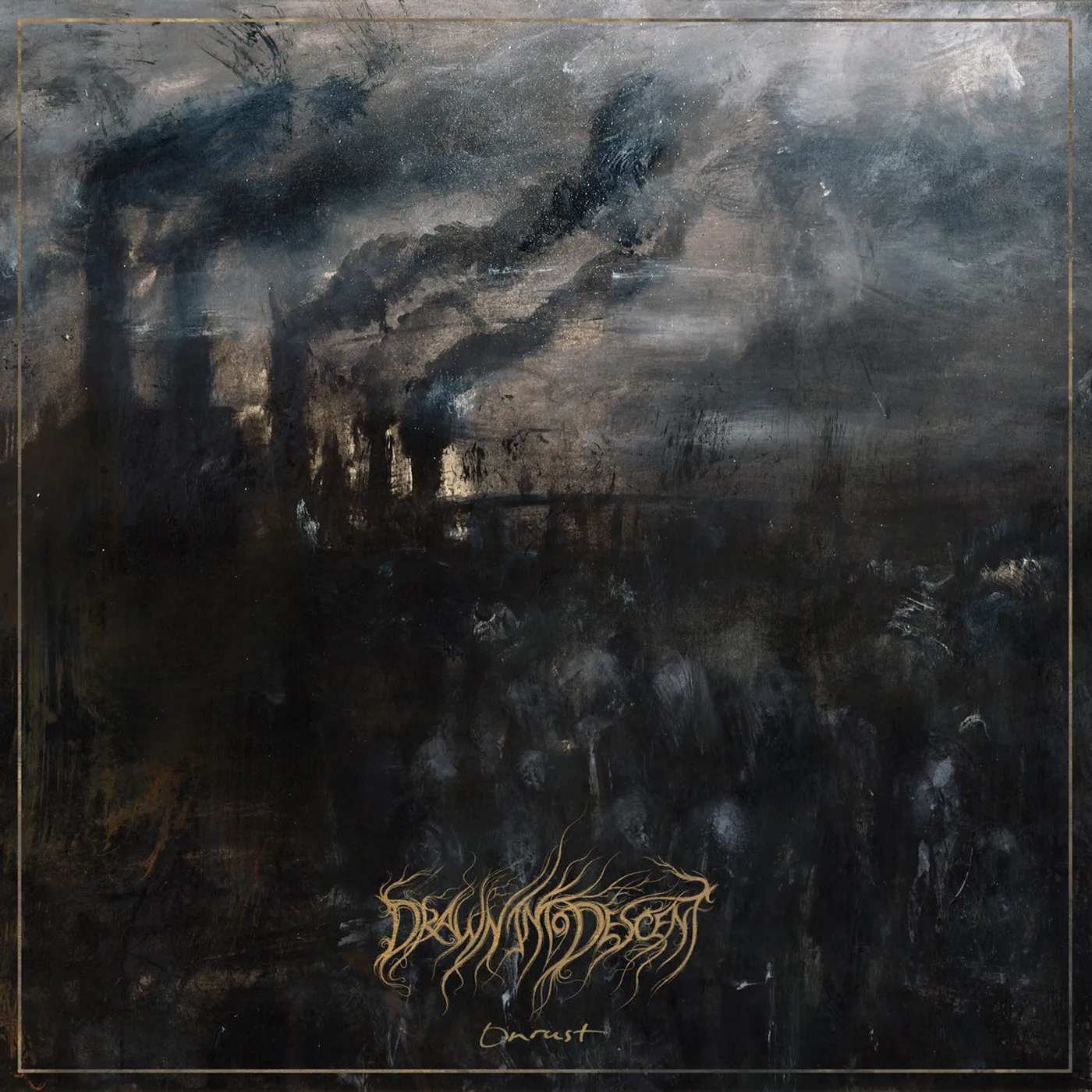
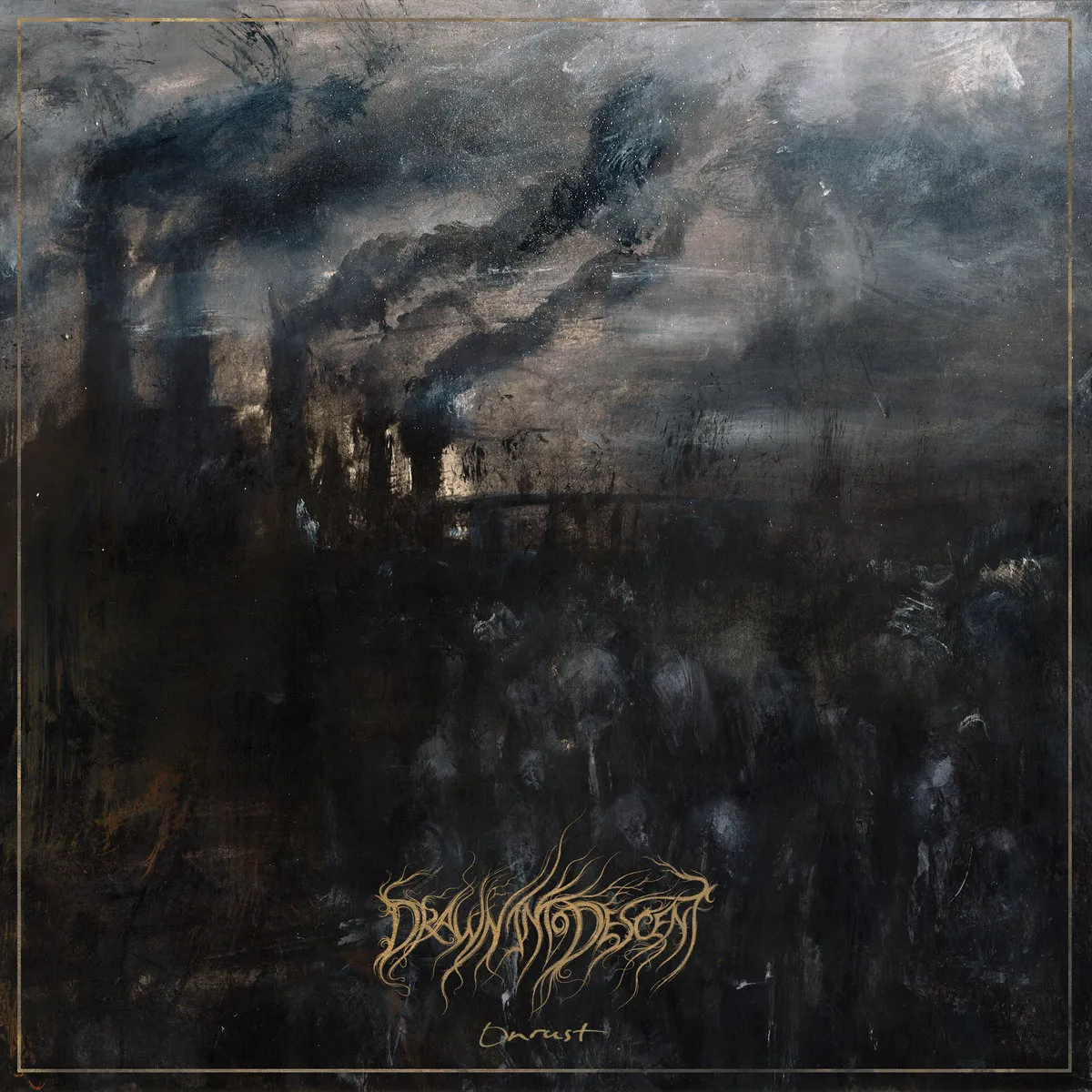
The pressing tells you something about the band’s audience. Immortal Frost Productions released Onrust on a hundred-fifty-copy vinyl edition and a five-hundred-copy digipak CD. Bahrull Marta provided the cover artwork. This is a record made for listeners who already know what to do with forty-three minutes of Dutch-titled atmospheric black metal across four tracks. For everyone else, the entry point is probably Onrust itself, the title track, where the band’s compositional patience and the album’s emotional vocabulary meet most directly.
The mix is dense and mid-focused, with rhythm guitars dominating the spectrum across saturated stereo width and a bass that fuses into the rhythm-guitar mass in the heaviest passages. Drums sit central with kick presence and snare crack, though cymbals occasionally push toward harshness in the densest sections. Vocals alternate between harsh growls placed forward in the mix and clean spoken passages that read clearly through the layered instrumentation. Dynamic range within the heavy sections is restricted by contemporary mastering loudness, but the album’s structural shifts (clean intros, atmospheric breaks, the symmetric quiet bookending in opener and closer) carry meaningful contrast. Verheyden’s signature low-mid weight is the production’s defining trait, with the trade-off of occasionally limited bass articulation as a separate voice.
Standout tracks: “Onrust” for the title track that traverses the album’s full vocabulary in twelve minutes. “Drenkeling” for the panic-as-structure piece that earns its title through tempo work rather than just lyrics. “Ogen” for the closing arrival that completes the symmetry the opener set up.
Onrust is the kind of record that rewards single-sitting attention more than playlist sampling. Four tracks, forty-three minutes, four Dutch words in sequence that the album makes you understand by living through them. The Verheyden production puts Drawn Into Descent in the same sonic territory as their Belgian peers Pothamus and Amenra, with the same density and the same trade-offs. What separates this record is the tightness of its compositional concept. Six years between albums is a long wait. Onrust makes the wait readable as accumulation rather than absence.