 Bandcamp
 Plenty of bands will tell you they went somewhere unusual to record. A church, a barn, a bunker. What almost never follows is a record where you can tell. The engineer smooths it out, the mastering pulls everything to the same place, and the story survives only in the press release.
The four of them, who grew up together in Stuttgart and have been a band since 2014, recorded alternating songs across a cellar, a concert stage, an indoor balcony, a living room and their own rehearsal space. That is their account of it. The useful part is that the record holds up the claim without being asked to.
Put the five tracks next to each other and they do not share a sound. “Respite” is the quietest thing here by a wide margin, and it is also the darkest, with most of its weight sitting low and very little happening above. It behaves like a room with a low ceiling and soft walls, which is roughly what its title promises. “Clutching at Straws” is the opposite on every count: the brightest track on the album, the most present up top, and the shortest route from nothing to everything. It opens undistorted, on guitars carrying delay and a lot of air, and holds that for most of its length before the floor gives out.
Between those two poles sits “Elisa”, which has the widest dynamic range on the record and almost no top end at all. Nearly ten minutes, no voice, and a top register that barely registers. It is the most committed thing here and the one that will lose people fastest.
What makes this more than an experiment is the sequencing. “Departure” and “Return, Precipice” bookend it, and the closer is bright and open where the opener is even and mid-weighted, so the record arrives somewhere other than where it started. The title works the same way. A stride is not the step, it is the space between two of them, and an album that keeps changing rooms is made almost entirely of that space.
The band describe the shift as turning rage into reflection, moving toward ambient, drone and shoegaze with more acoustic playing. What the record does not do is smooth the seams, which is the decision that matters. Five tracks recorded five ways could have been mixed into one consistent object. Somebody decided not to, and that is why the method is audible instead of merely claimed.
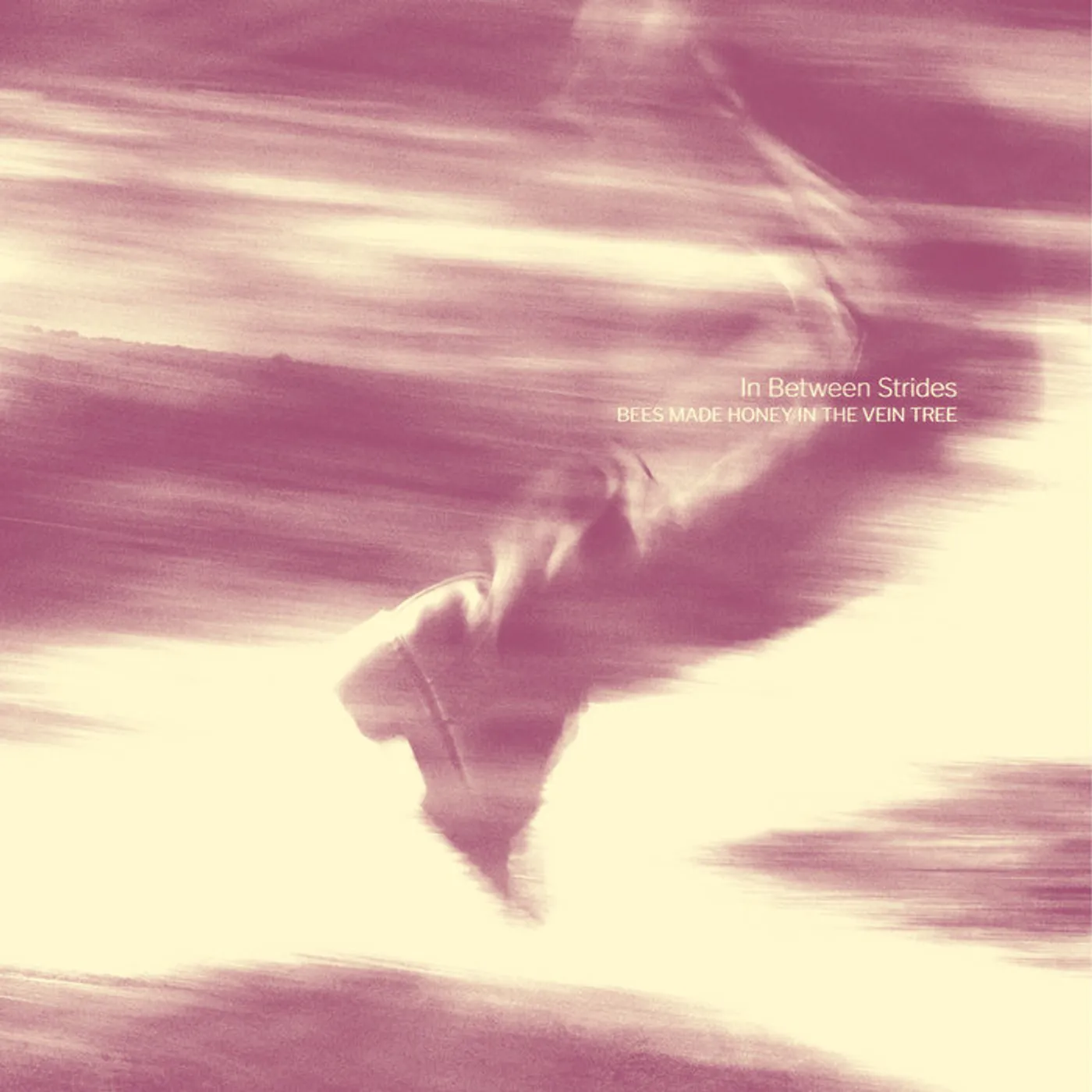
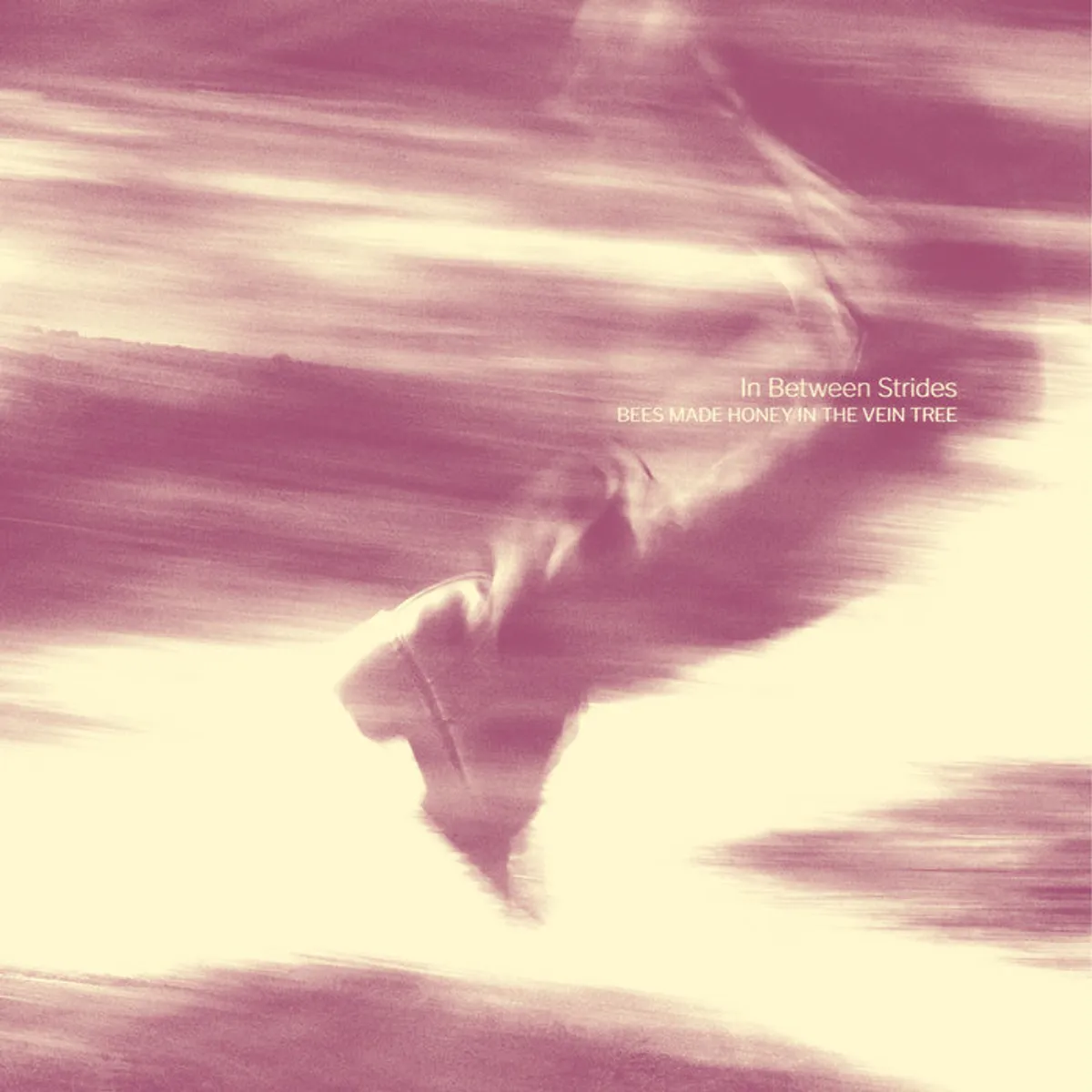
The sleeve says it before a note does: a photograph blurred into pink and cream, a limb caught mid movement, nothing in focus. You cannot photograph the space between two strides. You can only photograph the smear it leaves.
Whether this holds together as songwriting rather than as a set of rooms is the open question, and “Elisa” is where it presses hardest. But a band this far into its career making its method legible rather than hiding it is rarer than the method itself.
The five tracks genuinely do not match, and that appears to be the point. “Respite” sits far below everything else in level, with its energy concentrated low and almost nothing in the upper register, while “Clutching at Straws” is the brightest and most open thing here with several times the presence up top. “Elisa” is the outlier in the other direction: the widest gap between its quietest and loudest passages on the whole record, and a top end so sparse it barely shows up in the measurements at all. None of this has been flattened into a house sound. Across the album the distance between soft and loud stays wide enough that the heavy sections land as an actual change in size rather than a change in texture, which is not something a record aiming for consistency usually keeps.
Standout tracks: Clutching at Straws, Departure, Return Precipice