 Bandcamp
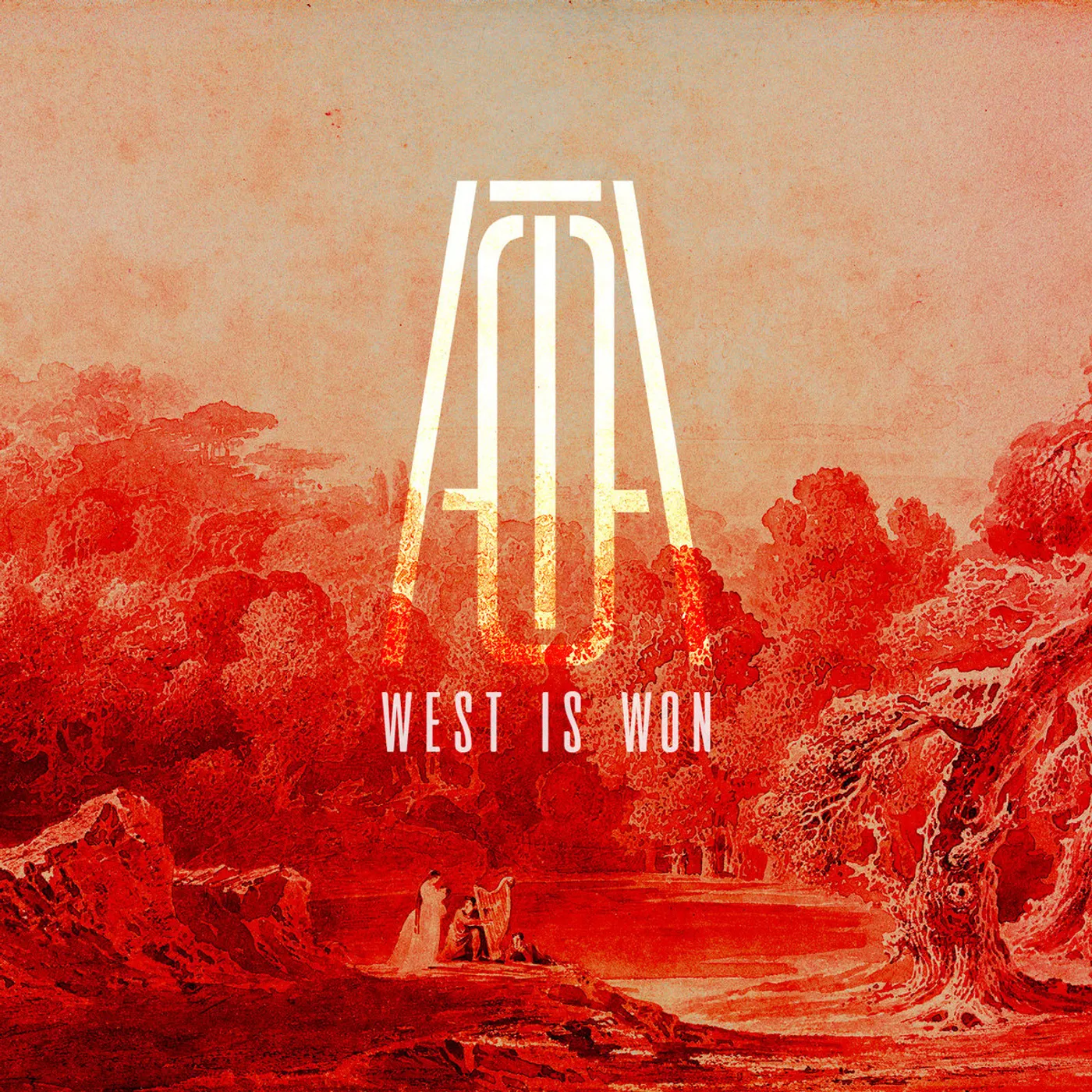
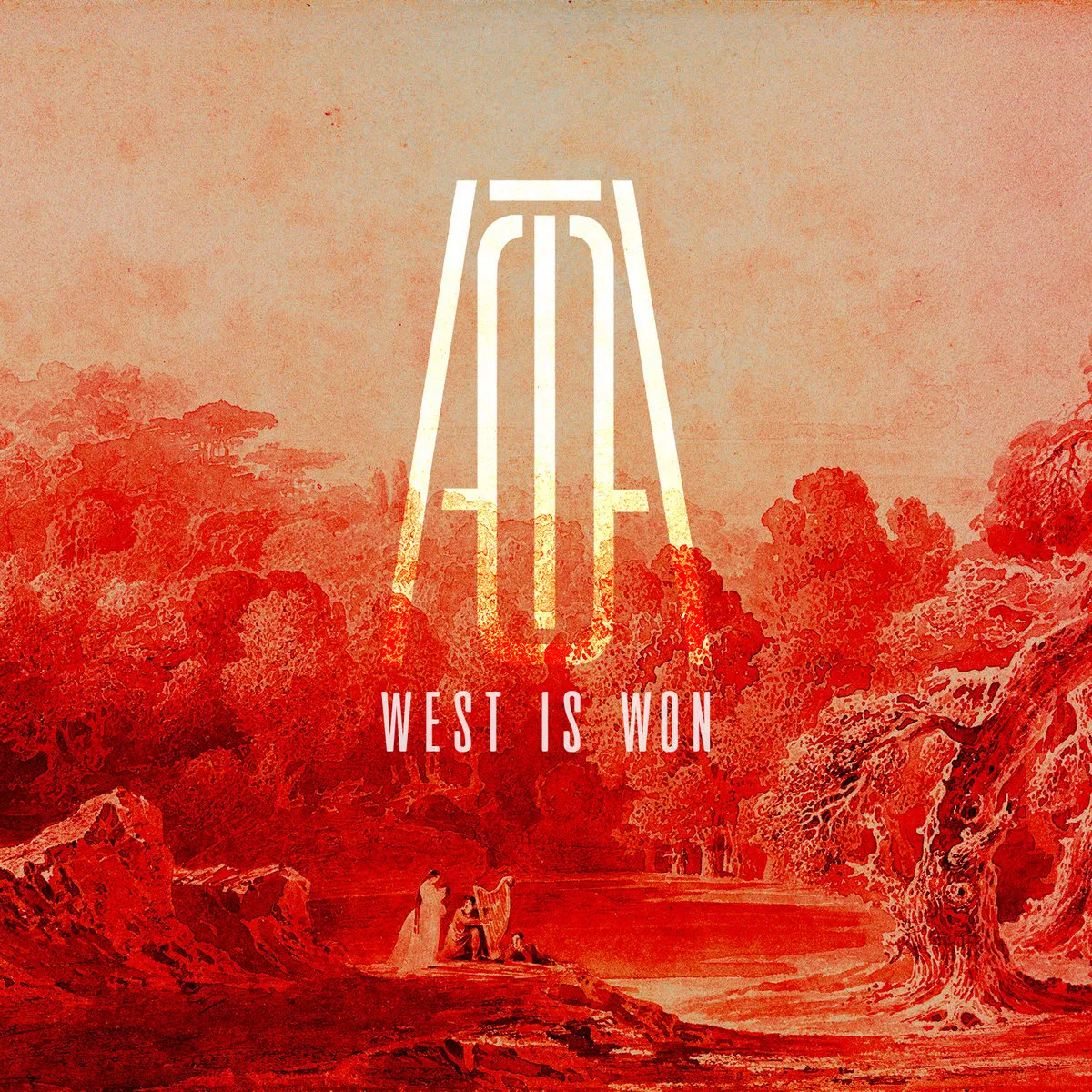
The third album from French instrumental quartet AUTŌMATA carries an ironic title. West Is Won does not sound like a triumphant victory march. Instead, the eight tracks unfold across forty-four minutes like an elegy for western certainty, framing massive walls of post-metal distortion with delicate acoustic chambers and synthetic pulses. Fronted visually by an 1820 drawing from British Romantic painter John Martin, the record anchors its widescreen ambitions in disciplined group dynamics.
Tracked, mixed and mastered by Edgard Chevallier at Lower Tones Place Studio, the album balances four distinct voices: Jean-Baptiste Elineau on bass, Etienne Ertul on guitars and piano, François Lamouret on guitars, keyboards and vocoder, and David Vives driving the foundation on acoustic and electronic drums. Opener “Indian Song” establishes the band’s patient approach over seven and a half minutes, spinning hypnotic guitar cycles inspired by traditional field recordings before expanding into heavy, driving rhythms. Lead single “Bad Joy” tightens the focus into a four-minute burst of motorik urgency, its bright synth hooks and rolling percussion cutting clean paths through thick low-end fuzz.
The core dramatic pivot sits dead center in the pairing of “White Dress” and “Black Dress”. The former is a fragile two-minute acoustic interlude, stripped down to warm piano motifs alongside guest cello from Quentin Carmouse and saxophone from Maxime Poncet. It functions as an intake of breath before “Black Dress” takes over, unleashing the widest dynamic spread on the record at nearly seventeen decibels. The song slowly layers cello drones, electronic percussion and towering guitar chords into a crushing crescendo, illustrating how well the band understands the power of silence before impact.
Title cut “West Is Won” follows with shimmering melodies and subtle vocoder textures, while eight-minute closer “Black Cross Floating” pushes the quartet into sweeping post-metal heaviness without losing its emotional clarity.
The reservation is that the record leans comfortably into familiar genre traditions. Fans of classic European post-rock will recognize several structural maneuvers from the playbook of God Is an Astronaut or Caspian, and listeners seeking sudden sonic experiments may find the melodic payoffs somewhat conventional.
Yet West Is Won earns its weight through composition and tactile engineering. It trades empty crescendo cliches for nuanced arrangements and genuine dynamic range. Start with the “White Dress” into “Black Dress” transition, and follow the band through to its cathartic final swell.
Edgard Chevallier’s mix leaves substantial headroom across the board, maintaining a comfortable twelve to fourteen decibels of crest factor that allows the drums to punch through dense guitar walls. The spectral curve leans pleasantly warm, providing thick low-mid reinforcement on the rhythm section without clouding the acoustic detail of the piano and guest strings. High frequencies remain rounded and smooth, keeping distorted peaks free of fatigue during long playback runs.