 Bandcamp
 Look at the running order before you play it. Three minutes, five and a half, then nine forty-two, then nine fourteen, then three fifty, then just under nine. Nineteen of the album’s forty minutes sit in two consecutive tracks at the dead centre.
Almost nobody sequences a debut like that. The received wisdom is to spread your long pieces out so the listener gets a breather between them, and to put the most demanding thing late, once you have earned the attention. Nick and Jake Blevins do the opposite: they ask for nineteen unbroken minutes from a room that has known them for eight and a half.
The gamble pays off, and for a reason that becomes clear when you compare those two tracks with the short ones. “Derision” and “Firebird” are where this two-piece sounds like more than two people, and the production is doing the heavy lifting. Both are staged wide and deep, both keep the mastering off the ceiling so the long build has somewhere to arrive, and crucially the bass on both is a growling, mid-forward instrument with its own line rather than a shelf underneath the guitars. On “Firebird” the string separation holds even through the more complicated voicings, and the snare has a woody punch with real room around it.
The shorter tracks are where the same band gets in its own way. “The Sunrise We’ll Never See” opens on a spacious clean guitar, flips into a wall at a minute and a half, and the wall turns out to be less legible than the one on the long tracks: the fuzz stacks up and the chord definition goes with it, while the bass welds itself to the rhythm guitars until you cannot pick it out at all. “Capricorn” has the same problem in the 200 to 400 Hz region, where everything crowds and the cymbals get slightly harsh on top.
It is not a lack of ideas, it is a lack of room. When Arsis Thesis have nine minutes they let the arrangement thin out and the parts separate. When they have three, they play everything at once, and a two-piece playing everything at once has no spare hands to open the picture back up.
The opener sets expectations honestly. “Heretical Violence” is three minutes of earthy, raw, low-mid-dense fuzz with a dry kit and a snare that cracks rather than snaps, and it sounds like a room rather than a studio, which is the right first impression for a band who then spend the middle of the record proving they can build something considerably larger.
The title track is the one place the modern approach wins outright. It runs the same clean-intro-into-detonation trick as “The Sunrise We’ll Never See” but with the payoff mastered right up against the loudness limit and still just about breathing through the blast passages, and the kit reads as machine-assisted here where it sounded played earlier on. Whether you like that is taste. It is undeniably the biggest the album gets.
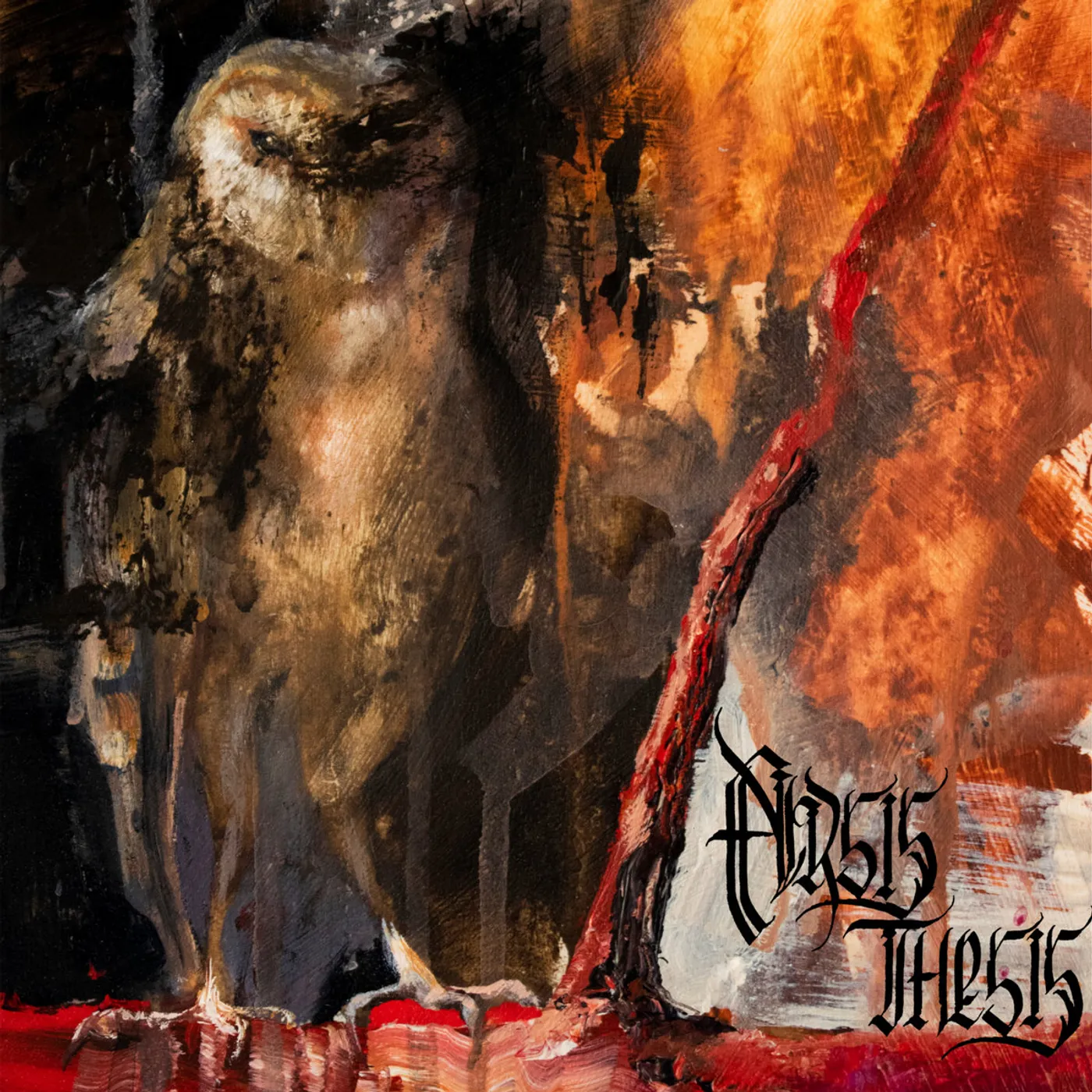
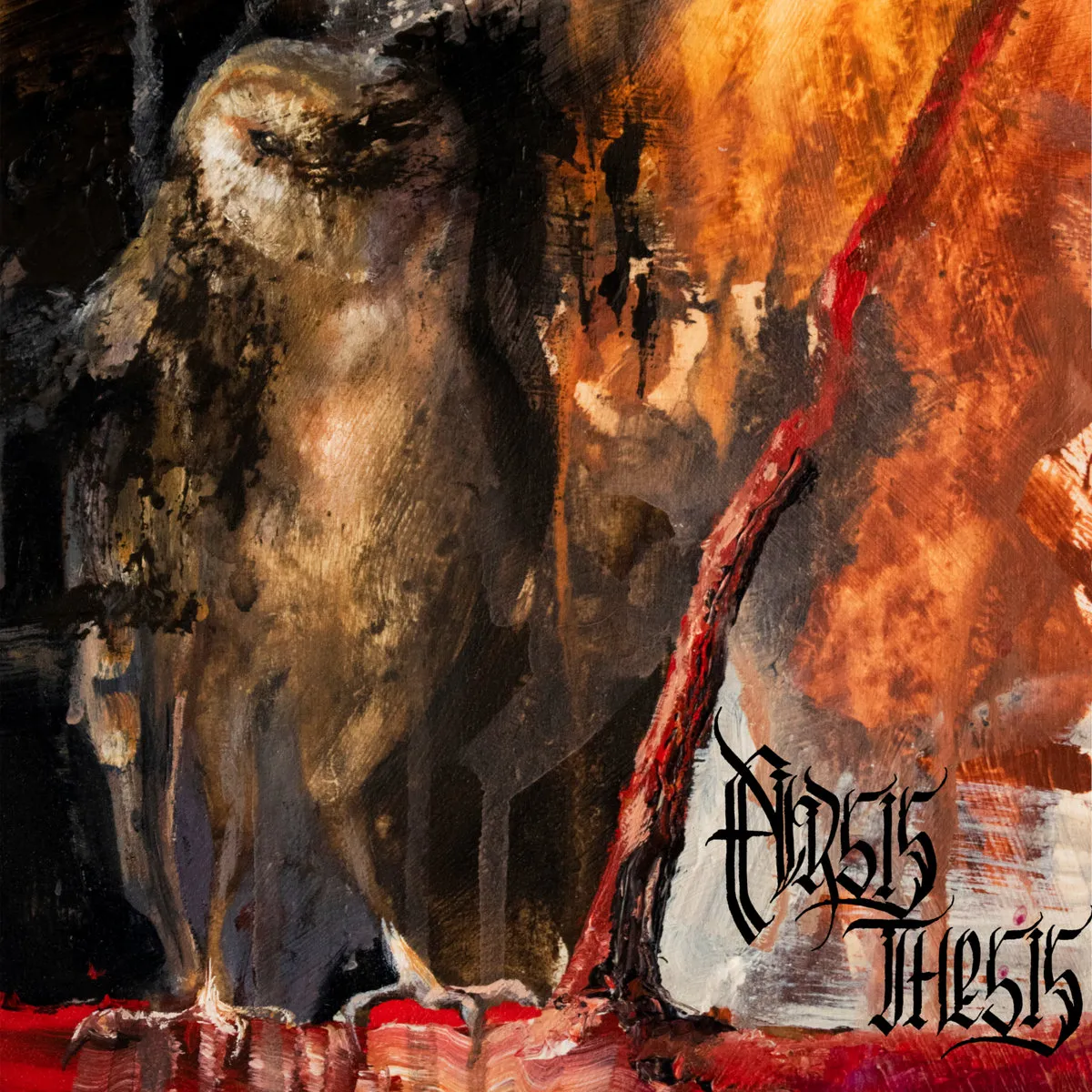
A debut from two brothers in Houston with Nightjar Illustration on the sleeve, no label, and an unusual amount of faith in their own patience. The long ones are the reason to come back.
The title track sits hardest against the loudness limit of anything here and still finds just enough headroom to keep the blast passages from pumping, with a kick whose clicked attack cuts cleanly through the wall. “Derision” carries the widest dynamic range on the record, moving from spacious clean picking to full weight without the limiter flattening the transition. “The Sunrise We’ll Never See” loses the most chord definition once the wall arrives, the bass fused to the rhythm guitars rather than sitting beside them. “Capricorn” crowds between roughly 200 and 400 Hz and lets the cymbals turn slightly harsh at density.
Standout tracks: Firebird, Derision, Heretical Violence