 Bandcamp
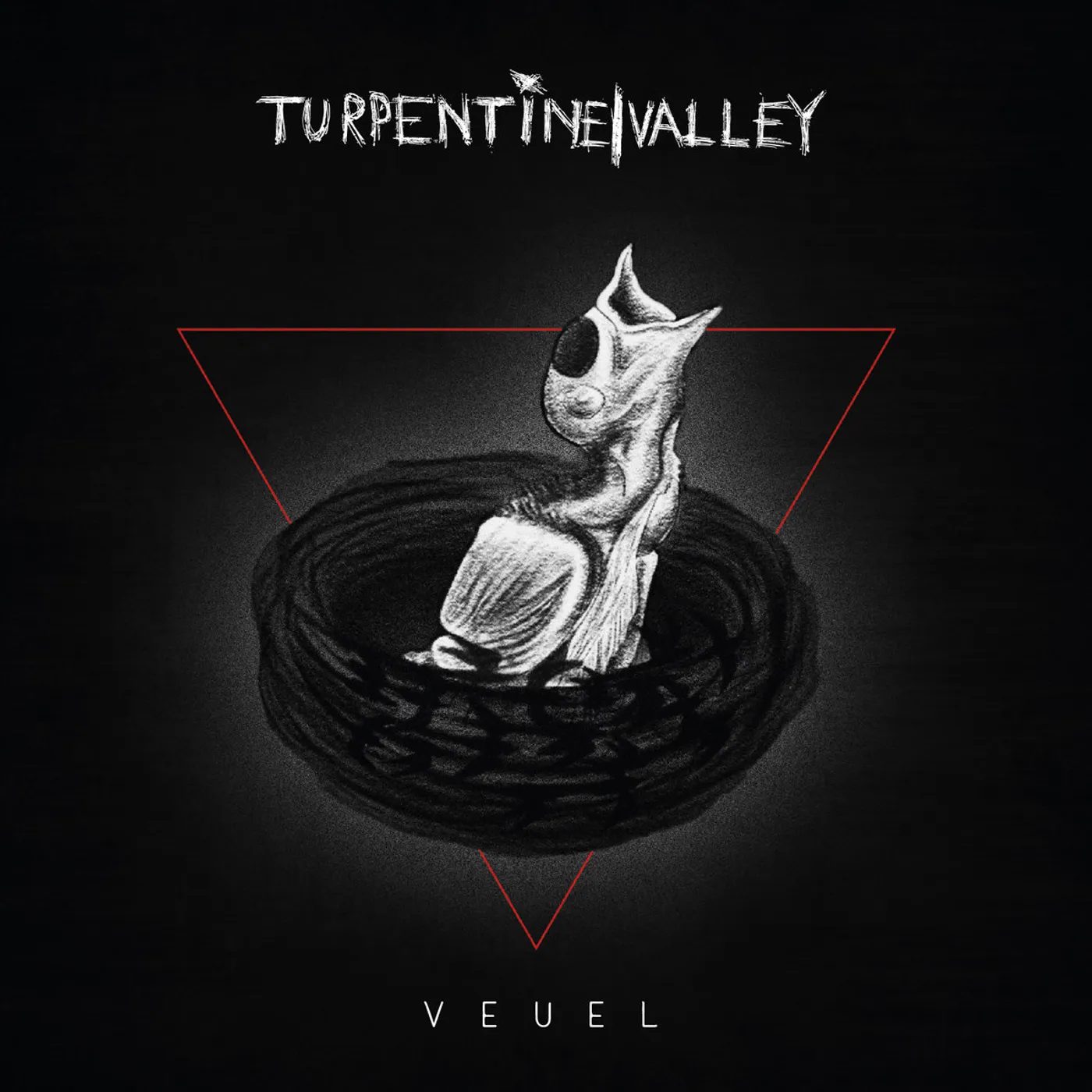
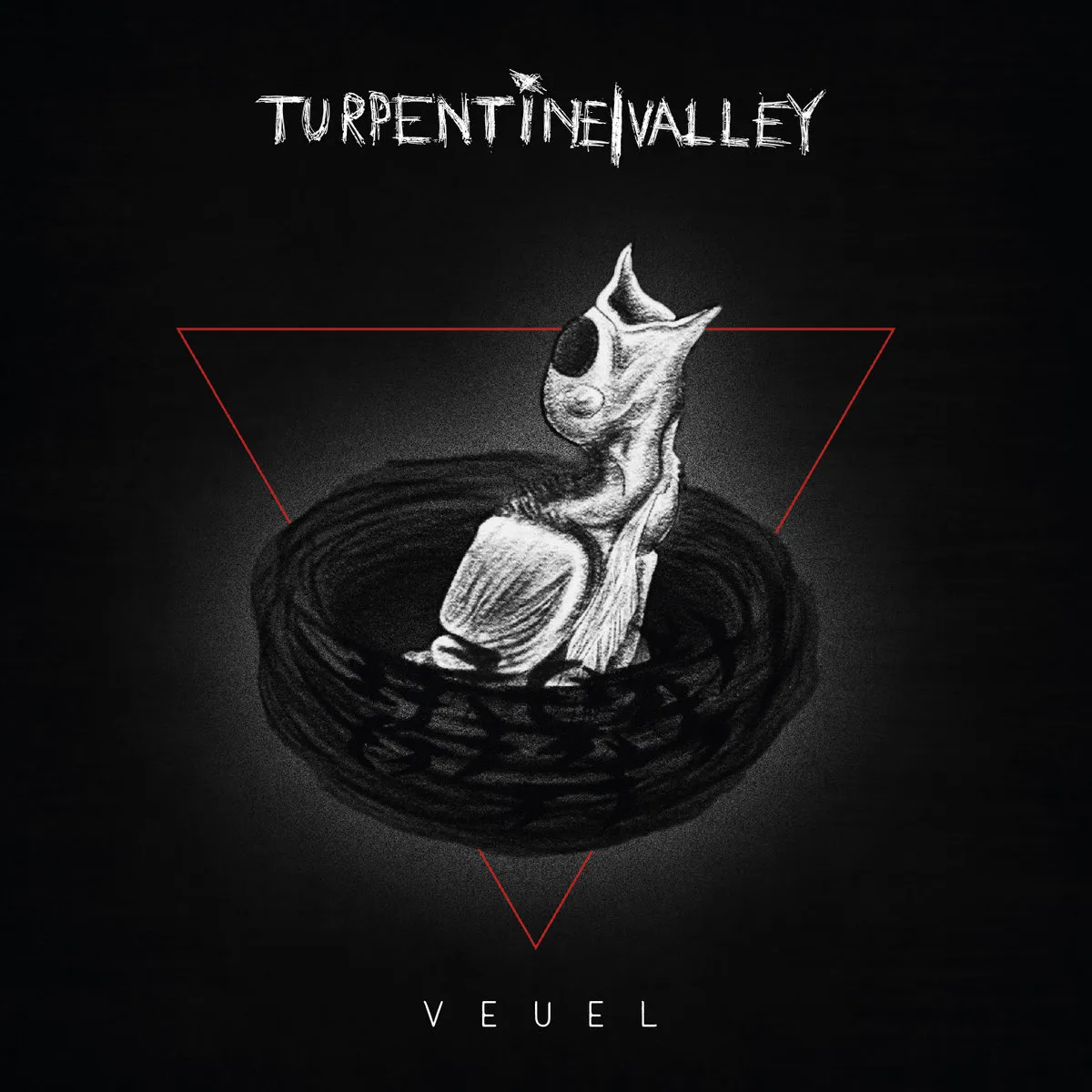
 In February we reviewed Veuel off two tracks: “Pando” and “List”. The piece had two factual problems. A reader from Zulte wrote in to point out that Turpentine Valley aren’t Scottish (the label, Ripcord Records, is -- the band is Belgian, from his neighbouring town) and that the tracklist isn’t invented vocabulary but real Dutch, with the title in the local East Flemish dialect for vogel, bird. Fair, embarrassing, and entirely our error.
With those corrected and the full ten tracks finally sitting in front of us, the album is also a clearer thing than the preview made it out to be. Veuel is a post-metal record in the Russian Circles lineage: instrumental-leaning, dynamics-driven, with the songwriting doing the heavy lifting rather than a single hook or a single mood carrying the runtime.
The Russian Circles Lineage
The frame of reference matters. This isn’t an industrial-metal record (despite some of the mid-heavy textures), it’s not blackened sludge (despite some of the harsher passages), and it’s not a Cult of Luna-style cinematic post-metal record either. The closest analogue is Russian Circles’ build-up-and-release model: motifs that loop and accrete, dynamic shifts at the song-structure level rather than within sustained passages, instrumental sections that breathe, vocals that, when they’re used, function as another texture in the wall rather than as the focal point.
“Serpent” sets the terms: a coiled mid-tempo opener that earns its title through patience rather than aggression, riffs that turn rather than resolve. “Trampel” is the album’s most fully Russian-Circles-shaped piece, a long-form post-metal idea that lets the drums sit in the room and the guitars layer rather than crowd. “Pando”, named for the massive aspen clonal colony in Utah, the heaviest organism on earth, earns its title with patient accretion across nearly six minutes. “Frugaal” closes the album in cavernous, slow-paced atmospheric drift, the kind of closer that doesn’t try to land a final punch and is better for it.
The shorter pieces work as connective tissue rather than statements. “Ender” and “Stevel” are quick interruptions that keep the running order moving. “Aloof” is the album’s most overtly instrumental cut and the cleanest argument for what the band can do compositionally without leaning on any kind of vocal foreground.
The Production
The production is where the preview review most needed the full record to make sense. Veuel isn’t a brick-walled wall-of-sound album, even though individual heavier tracks read that way out of context. Heard in sequence, the mastering keeps the dynamic argument intact: the heavier cuts have actual peak punch, the calmer ones have actual quiet, and the longer pieces (“Trampel”, “Pando”, “Frugaal”) move through real loudness contrasts rather than staying at one stuck level.
Guitar tones are dense and saturated but the string definition is held through the heavier riffs. Bass has its own voice in the mid-range, not just as low-end support. Drums are recorded with natural room ambience, snare body, and kick attack that doesn’t go clicky. Vocals, when present, sit in the wall rather than over it, which is a deliberate choice that fits the instrumental-leaning identity of the record. None of these are accidents.
What Keeps This at Four Rather Than Five
Honest note: the album works on its own terms, but it doesn’t fully spark the way the genre’s best can. Veuel sits in the lineage cleanly. It executes the model well. But the moments that should land the hardest, the long-form pieces’ release points, the album-closer’s final atmosphere, register more as structurally correct than as emotionally inevitable. If you’ve heard Russian Circles’ Memorial or Pelican’s The Fire In Our Throats Will Beckon The Thaw, you’ve heard this kind of build-up performed with a slightly stronger sense of necessity. Turpentine Valley earn the comparison; they don’t quite eclipse it.
That’s a four-star reservation, not a three-star one. The record is well-constructed, well-produced, and properly thought through. The dialect framing gives it a rooted feel that the genre doesn’t always have. The patience across the longer pieces is real. It just lands as a strong record in a lineage rather than as a record that bends the lineage to its own shape.
The mix is dynamics-conscious and dense across the ten tracks: guitars carry saturation without losing string definition in the heavier riffs, bass holds an articulate voice in the mid-range rather than fusing into low-end support, drums are recorded with natural room ambience and proper kick-and-snare definition, vocals (when present) are placed in the wall rather than above it as a deliberate textural choice. Mastering loudness is contemporary but with enough dynamic headroom to let the longer pieces register their build-up-and-release shape; the heavier cuts have actual peak punch and the quieter passages have actual quiet. The cleaner instrumental track “Aloof” sits transparently in the spectrum and works as the album’s clearest argument for the band’s compositional discipline. The atmospheric closer “Frugaal” leans cavernous on purpose, with reverb-heavy snare and sub-shoving bass that reads as intentional rather than as a production lapse. The production sits comfortably alongside the Russian Circles / Pelican post-metal lineage references, in the same conversation rather than below it.
Standout tracks: Trampel for the most fully Russian-Circles-shaped post-metal piece, where the room sound and patient construction land as designed. Pando for the patient near-six-minute build that earns its aspen-grove title. Frugaal for the closer that lets the album exit on atmosphere rather than impact.
Recommended if you live in the instrumental-leaning post-metal corner of the genre: Russian Circles, Pelican, Mouth of the Architect, Caspian. Veuel doesn’t reinvent that lineage, but it occupies it with patience, with proper production, and with a sense of place that the dialect titles make explicit. That’s enough to earn the runtime.