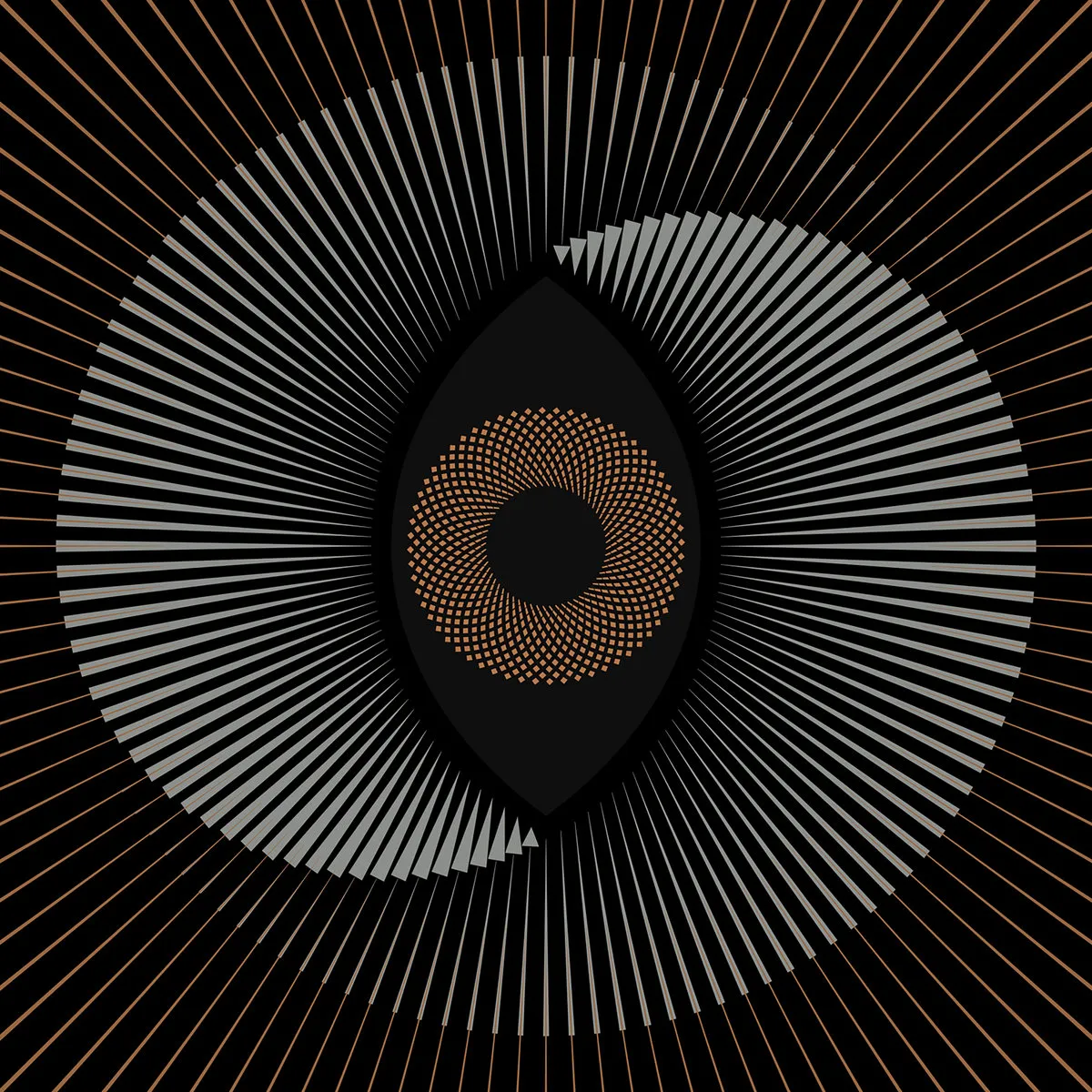
For twenty years, The Ocean have been making albums about deep time. They started with the Precambrian, worked through the Phanerozoic in two parts, and now with Holocene they arrive at the present, the shortest epoch in Earth’s history, the one humanity made its own. It is a fitting end to a series that was always as much about ideas as it was about riffs, and the Berlin collective mark the occasion by doing something that will surprise anyone who came for the sludge: they largely put the guitars down and let the synthesizers take the lead.
The backstory matters here. Peter Voigtmann, the band’s keyboard player, wrote the initial musical sketches during lockdown and sent them to guitarist Robin Staps without any guitars at all. Staps then built around them. What emerged is a record that sounds both unmistakably like The Ocean and unlike anything they have previously released, the heaviness still present, but coming from different places than before.
“Preboreal” opens with cool, spectral synth textures before the guitars arrive, and the combination lands well. It is a patient beginning to an album that asks for patience throughout. “Boreal” keeps the tempo measured, building quietly without the kind of release the band’s earlier work often reached for. The atmosphere is closer to dread than catharsis, which suits the album’s themes: Robin Staps has described Holocene as a record about alienation, the collapse of shared reason, and the anxieties of living in the current age. This is not a cheerful record.
The centrepiece is “Unconformities,” a nine-minute piece that features Swedish singer Karin Park as a guest vocalist alongside Loïc Rossetti. The track moves through several distinct moods, an extended passage near the middle that strips everything back to piano and Park’s voice before the band gradually reassembles around her, and it earns its length in a way that not every track here does. “Atlantic” at nearly nine minutes is the album’s heaviest stretch, the guitars finally reclaiming some of the low-end space that the synths have been occupying, and it lands with real weight.
“Parabiosis” and the closer “Subatlantic” bring the record home on its own quiet terms. “Subatlantic” in particular is genuinely affecting, a slow, deliberate ending that feels like it knows it is closing something larger than just this one album.
The production from Daniel Lidén keeps everything in its right place: the synths warm and not clinical, the guitars present when they appear without overwhelming the mix’s careful balance. It is the right sound for music that is trying to do two things at once, remain heavy and become something else entirely.
Whether Holocene is a complete success depends on what you came for. As an ending to a twenty-year conceptual project, it is exactly right. As a standalone heavy record, it asks more of the listener than it gives back in immediate returns. Both of those things are true, and the album is better for not resolving the tension between them.
Standout tracks: Unconformities, Atlantic, Subatlantic


