 Bandcamp
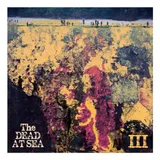
 The Dead At Sea reached out to us directly after our Void Sinker review, with the kind of personal pitch that’s becoming rare in the underground heavy ecosystem. III, released April 26 on the band’s own Bandcamp, is the third full-length under the TDAS name and the second since Chris Scrivens reactivated the project in 2024. The first TDAS record (2017) came out of a three-piece touring lineup; the current iteration is a studio-focused project, with Chris primarily handling the music, production and art, and the other guitarist Pete Jones contributing across the record (and, per Chris, more again on what comes next).
That shift -- from the touring rock-band model of his previous group Mothertrucker into a studio-focused approach for TDAS -- is the project’s actual context, and it’s the kind of underground trajectory the heavy-music ecosystem is built on but rarely names directly.
North Sentinel Island as Frame
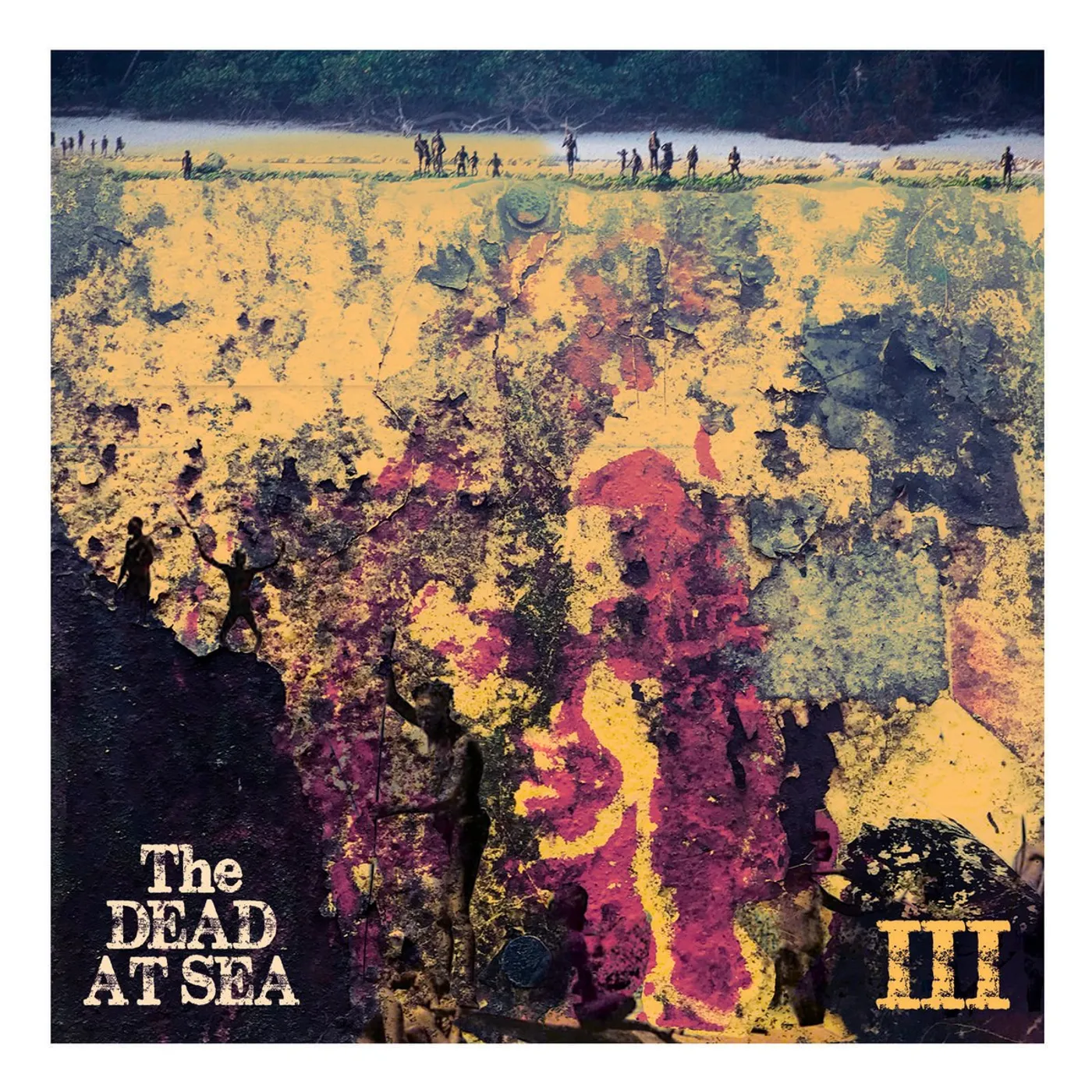
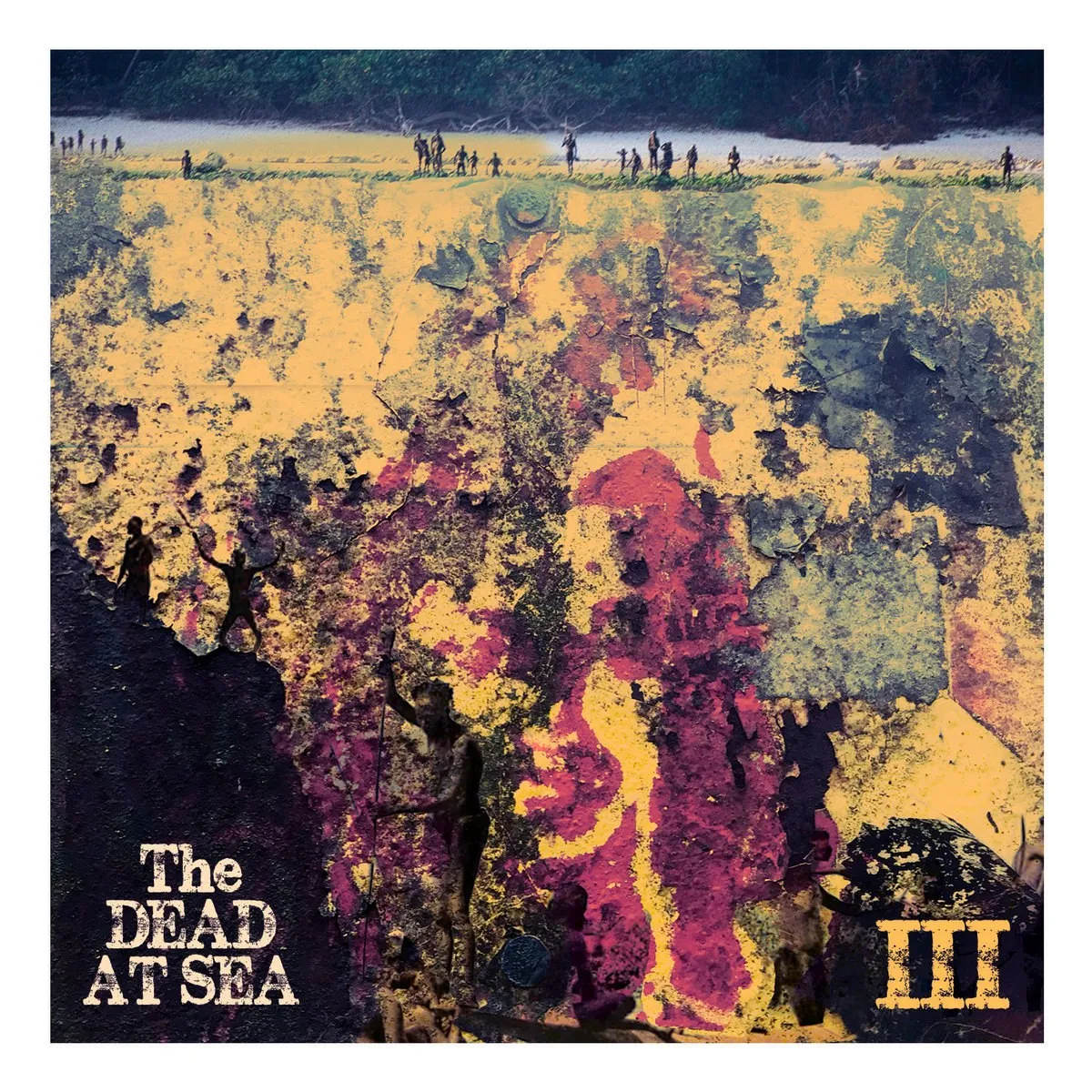
The conceptual core of III is the maritime theme TDAS have carried across all three of their albums. III specifically draws on the North Sentinel Islanders -- the people of the Andaman island in the Bay of Bengal who have rejected outside contact for decades and whose isolation is one of the few remaining cases of a society choosing total separation from the global system. Chris uses that frame for the artwork and the track titles: Dawn, Ninevah, TMG, Drifting, and the closer The Bay of Bengal. The link between the Mesopotamian / biblical references (Ninevah) and the contemporary Bay of Bengal island isn’t spelled out but the suggestion sits there -- a long history of contact, refusal, and the cost of both.
The Five Pieces
“Dawn” at two and twenty-eight opens the album as pure synth-drone atmosphere, no rhythm section, no guitars, just slow filter sweeps and oscillating low-end. It’s not really a song so much as a tonal threshold. “Ninevah” at eight and forty-three is where the band proper kicks in -- organic live-feel drums (no triggered processing, no overcompressed click), fuzzy mid-saturated guitars carrying the riff weight, a growling, warm bass holding the foundation. The cut sits comfortably in the post-rock-tipping-toward-doom register that Smote or early Year of No Light worked, building patiently through hypnotic repetition rather than chasing climactic catharsis.
“TMG” at five and thirty-nine is the album’s mid-record drone interlude. The track works in cathedral-spacious reverb with the rhythm section sitting further back than on “Ninevah,” and the second half drifts into a long minimalist synth-and-guitar passage that the album’s instrumental commitment can sustain. “Drifting” at five and twenty-three is the album’s most overtly post-rock cut: clean delay-soaked melodic guitars in the foreground, the rhythm section warmed and pushed back, drums with soft punch rather than aggressive transient detail. It’s the cleanest argument on the record that TDAS’s instrumental-post-rock lineage is intact.
“The Bay of Bengal” closes the album at ten and fifty-nine. The closer follows the band’s standing crescendo-into-wall shape: an extended atmospheric crescendo across the first two minutes building into a denser, heavier main section. The track is the album’s most ambitious dynamic gesture and the place where the production team’s restraint shows clearest -- Jack Chuter’s mastering keeps the dynamic range intact so the crescendo actually crescendos rather than being pre-flattened by the loudness chase.
The Production Frame
Across the five tracks the production has a deliberate live-organic quality that distinguishes III from most self-produced post-metal: drums sit retro-dry with natural snare body and unclicky kicks, guitars carry warm fuzz saturation that prioritises texture over surgical separation, bass operates as a present but unaggressive low-end foundation. Jack Chuter’s mastering (March 2026) is the production decision that lets the album work -- there’s no brick-walled compression on the heaviest passages, the dynamic argument across “Ninevah” and “The Bay of Bengal” actually registers, and the quieter pieces (“Dawn,” the back half of “TMG”) have proper spatial depth.
The reservations sit where you’d expect them on a self-produced record at this scale. The densest moments of “The Bay of Bengal” and “Ninevah” accumulate frequency stacking in the low-mids where guitars and bass blur into a single saturated band; the cathedral-reverb approach on “TMG” sometimes sacrifices the rhythm section to atmosphere; the album’s structural template (intro/build/wall) repeats across the longer tracks. But these are within-lineage trade-offs, not project-breakers -- TDAS are working in the patient post-rock-into-doom corner of the genre that doesn’t demand surgical clarity, and the live-organic production aesthetic is exactly what the conceptual frame calls for.
What III hints at, alongside the album itself, is the next iteration. With Pete Jones contributing across this record and the band-shape filling out again from there, the next TDAS release could be the project’s clearest statement yet.
Five tracks across thirty-three minutes, written/recorded/mixed by Chris Scrivens and Pete Jones, mastered by Jack Chuter (March 2026). Mix philosophy is deliberately organic-and-restrained across the runtime -- no brick-walled loudness, proper dynamic range preserved on the longer pieces, drums recorded with natural room sound and unclicky kick attack, guitars warm and mid-saturated rather than digitally edged, bass present but unaggressive. The atmospheric pieces (“Dawn,” the back half of “TMG”) read with proper spatial depth and slow filter-led builds; the heavier post-rock cuts (“Ninevah,” “The Bay of Bengal” closing wall) accumulate the standard low-mid frequency stacking on the densest passages. No vocals on any track -- the instrumental-only commitment is consistent across the album and the melodic lead guitar carries the narrative role where vocals would normally sit. Jack Chuter’s mastering restraint is the album’s defining production decision and lets the dynamic argument on “The Bay of Bengal” land cleanly. The cathedral-reverb mix approach on “TMG” sometimes sacrifices rhythm-section presence to atmospheric effect.
Standout tracks: The Bay of Bengal for the ten-and-a-half-minute closer’s slow-crescendo-into-wall structure, where Chuter’s mastering restraint pays off cleanest. Ninevah for the album’s most fully realised band-mode cut, with organic drums and warm fuzz guitars holding the patient post-rock build. Drifting for the cleanest post-rock argument and the album’s most explicit melodic-guitar foreground.
Recommended without reservation if you appreciate Birmingham post-rock-into-doom that takes its conceptual frame seriously, commits to instrumental-only across thirty-three minutes, and lets Jack Chuter master it without chasing modern loudness. III is the work of a project that has decided what kind of band it wants to be in its current studio-focused iteration -- and the next record, with Pete Jones contributing more and the band-shape filling out again, could be the project’s clearest statement.