 Bandcamp
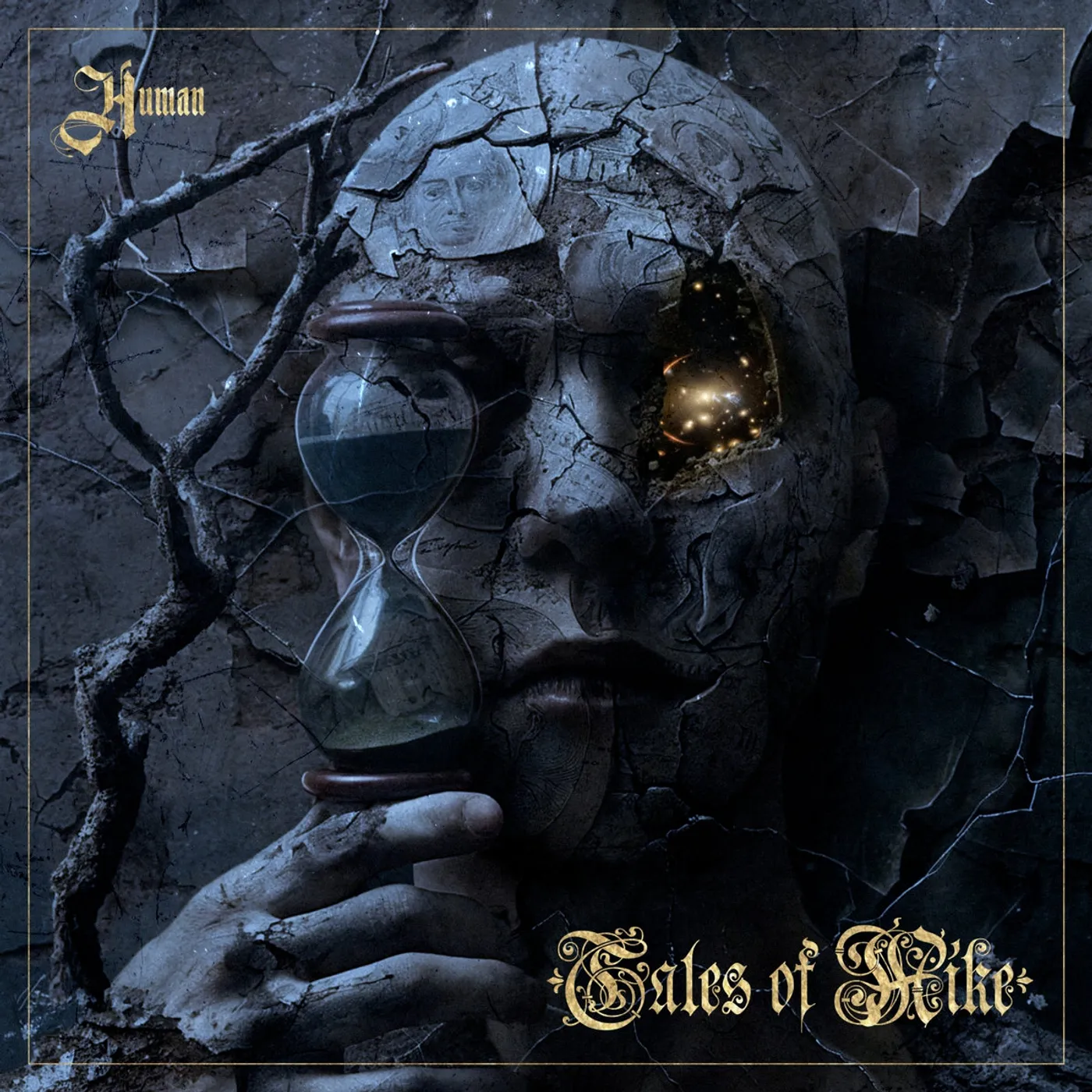
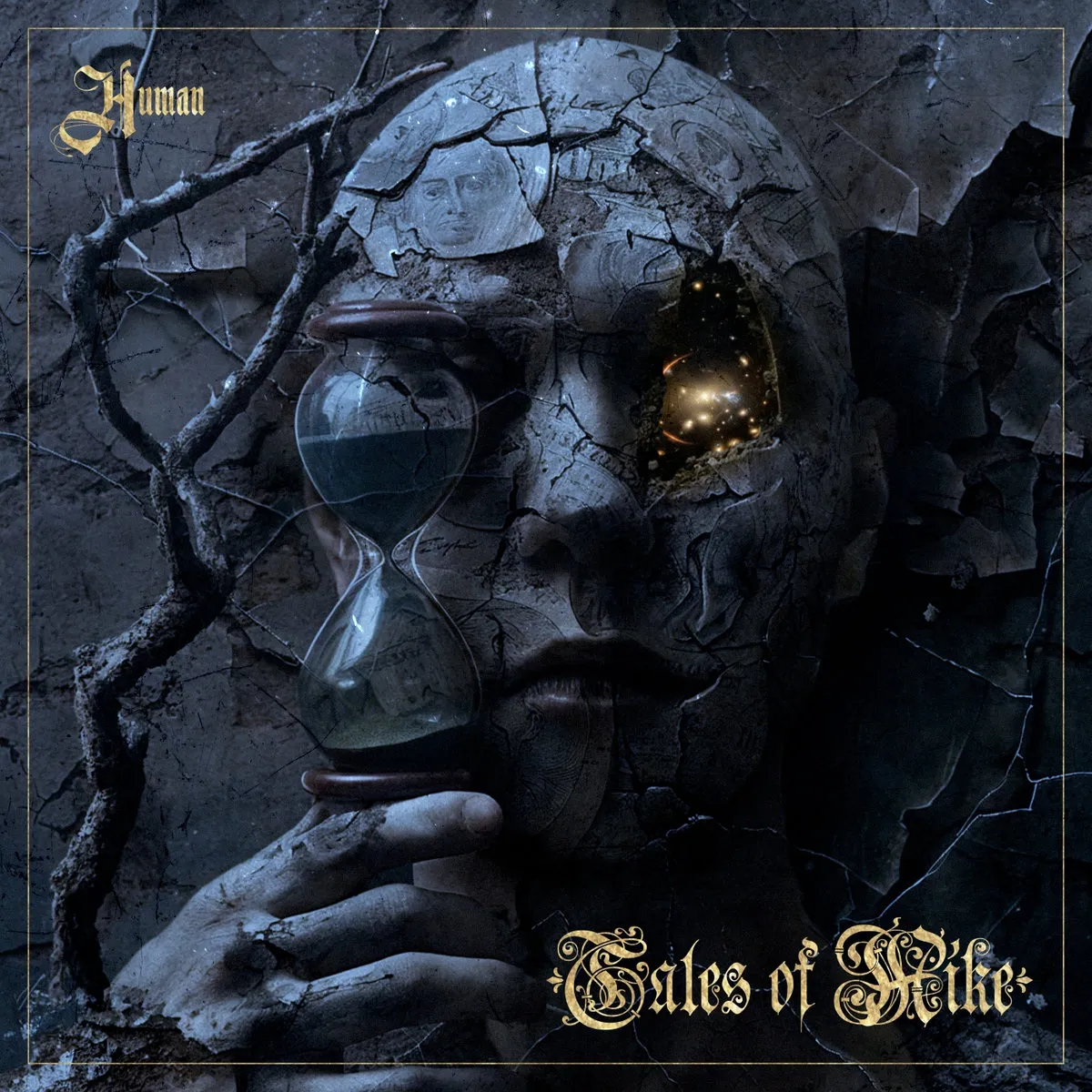
 Tales of Mike began in 2022 as a way for Michael Heß to process the death of his brother Markus. The 2023 EP Landscape of Sorrow was released on Markus’s birthday; the CD edition followed in January 2024, on the fourteenth anniversary of his death. Human, the project’s first full-length, arrived on Halloween 2025 via Fetzner Death Records and Schattenpfade Support Circle, and now gets a limited vinyl edition of 130 copies that has prompted this catch-up review. The album is a multi-stylistic underground heavy metal record built across three continents in the truest sense of the term: Heß plays every instrument and records himself in Germany, Argentinian vocalist Gonzalo Civita (of HelėH and Tribal) tracks his parts at AV Estudio in Córdoba, Henrik Schaller contributes the guitar solos, and Matías Takaya mixes and masters at the same Córdoba studio. Bernhard “Doomchild” Tischler handles the spoken-word passage on the intro.
The first thing to settle is the genre frame. The Bandcamp tags read “epic doom metal, heavy metal, melodic death metal, atmospheric metal,” and the album genuinely lives across that span. “Nomen est Omen” opens with a brief atmospheric intro that sets up a dense, mid-focused heavy passage. “Nevermore” is the cleanest example of the album’s signature move: aggressive shouted verses against a fully harmonised, two-voice clean chorus in the King Diamond and Halford falsetto tradition. “Money Tree” and “Hourglass” run faster, leaning into a sharper, US-power-metal-edged attack with sawing rhythm guitars and double-bass drumming. “Human Masquerade” sets up the album’s spoken-word break, dropping into the title theme of false friends and surface relationships. “Ancient Mirror” returns to the harsh-against-clean dynamic with the album’s most memorable melodic chorus. “Abandoned” is the album’s centre of gravity, atmospheric clean intros expanding into the heaviest passages with the falsetto floating over the wall, a classic epic-doom move in its purest form. “Swan Song” closes with tempo shifts, atmospheric breaks and a synth solo at the midpoint, the most genre-blurring cut on the record.
That breadth is the point. Underground bands that try to span four or five style tags usually end up sounding like a checklist; Human mostly does not, because the emotional throughline (loss, masquerade, the will to remain unchanged) carries the variety. Civita’s vocal range is the unifying instrument, moving from the harsh shouts and gutturals to the operatic falsetto cleans without sounding like he is wearing different costumes. Schaller’s guitar solos punctuate cleanly without overplaying. Heß’s compositional choices favour dynamic contrast (atmospheric breaks, spoken-word moments, the kind of structural pacing that comes from spending three years on one record).
The production sits in the modern-DIY-metal lineage. Takaya’s mix puts the vocals forward and intelligible across registers, the rhythm guitars carry a dense, saturated wall with decent riff definition, the drums are programmed-leaning with the triggered-kick character that is genre-standard in metal since the early nineties (and a deliberate stylistic choice, not a bedroom-production tell). The mastering is loud and the densest passages flatten dynamically in the way that DIY metal records of this generation routinely do; the closer “Swan Song” runs into audible limiter pumping in its heaviest sections, the most pushed mastering on the album. The reservations are honest and they are typical for the underground tradition this record sits in, not disqualifying.
Recorded by Mike Heß in Germany (all instruments), with vocals tracked by Gonzalo Civita at AV Estudio Córdoba in Argentina, mixed and mastered by Matías Takaya at the same studio. The recurring mix character across the eight tracks: rhythm guitars with dense, saturated mid-focused saw-tooth distortion that holds decent definition on riffs and blurs on the fastest runs; bass functioning primarily as low-mid foundation that thickens the guitar wall rather than carrying independent contour; drums with programmed/triggered character in the standard genre-conventional mode, kick with prominent click-attack for cut-through and limited deep low-end punch, snare often dry and forward with limited shell-body, cymbals tending toward sibilance in the upper highs when the master is pushed. Vocals are the album’s most carefully placed element: harsh shouts and gutturals sit dry and forward, the operatic falsetto cleans (Gonzalo Civita) carry the chorus melodies, two-voice harmonies layer through “Nevermore” and “Ancient Mirror.” Atmospheric passages use synthesizer pads and clean guitars effectively, with the spoken-word breaks (“Nomen est Omen,” “Human Masquerade”) sitting forward and intelligible. The mastering is loud and the densest passages flatten dynamically; “Swan Song” runs the most pushed master on the record, with audible limiter pumping in its heaviest sections. The strongest production moments are “Abandoned” (the most balanced mix, with real dynamic contrast between atmospheric intros and the heavy main body) and “Nevermore” (where the two-voice clean chorus actually has the room to breathe).
Standout tracks: Abandoned for the six-and-a-half-minute centre piece that delivers the album’s clearest dynamic argument. Nevermore for the cleanest version of the harsh-shouted-against-clean-falsetto chorus that is the album’s signature. Ancient Mirror for the most memorable melodic chorus on the record.
There are records that are interesting because of what they are made out of, and Human is one of them. A German solo project, an Argentinian vocalist with deep underground credentials, a small German label network supporting it, a Halloween 2025 release that the limited vinyl edition is now bringing back into focus. The Riff Vault editorial bias usually skews to fresh releases, but underground bands like Tales of Mike do not work on the press-release cycle, and a record this idiosyncratic is worth catching late. Three stars with the genre-fair lens: the production is loud-modern-DIY rather than dynamically generous, but the compositions, the vocal performances and the conceptual seriousness are real.