 Bandcamp
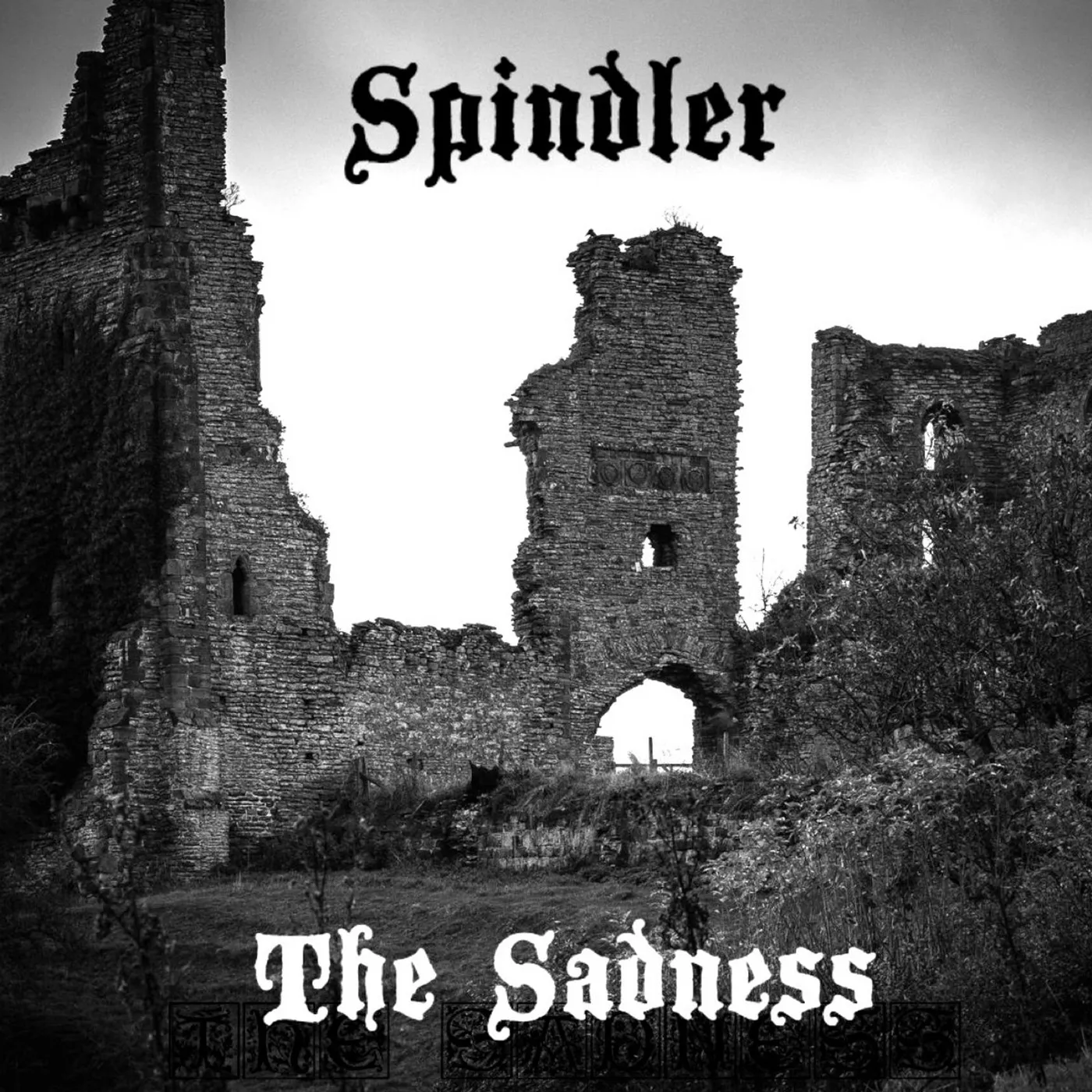
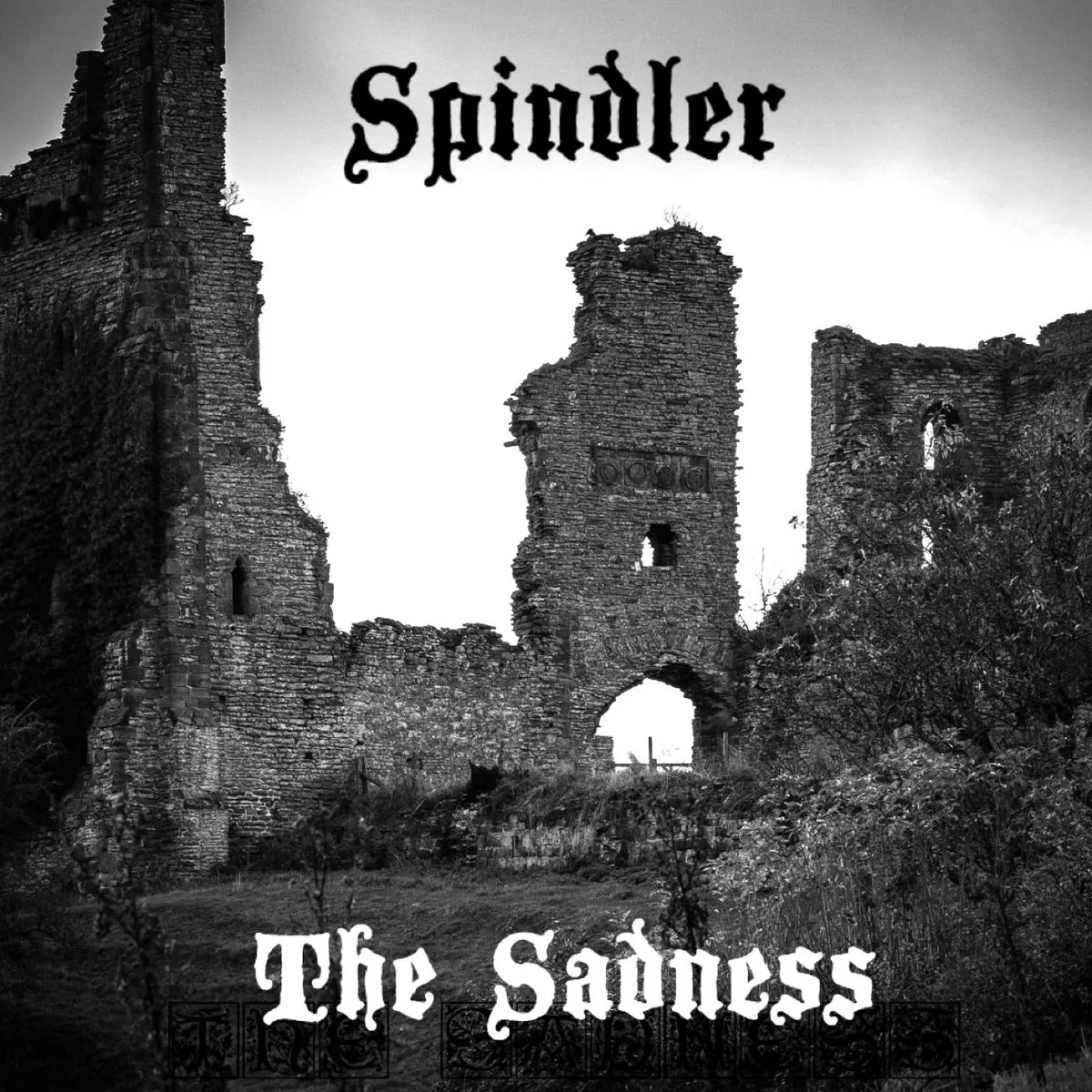
 Five tracks, twenty-two minutes. For a project that lists funeral doom among its four reference points, that is roughly the length of one song in the genre it claims, and the runtime turns out to be the most revealing thing about The Sadness.
Spindler is a side project, put together in 2025, and the division of labour tells you where the record comes from. Our Haunted Planet takes vocals, lyrics, keyboards and synth. Cwield plays bass, guitar and drums, with backing vocals on two songs. Two people, four named influences, five songs, and no intention of settling into any one of them.
“Dissolution” opens in the most convincing register the record has. The guitars sit low and heavily fuzzed, the bass growls alongside them rather than underneath, and the drums have been recorded rather than assembled: the snare has a belly to it, the kick pushes without a click stapled on top. Nothing has been flattened for volume, so the tempo shifts actually register. The vocals are guttural and deep in the reverb, planted inside the wall rather than on top of it, which costs every single word and buys the atmosphere the band is clearly after.
“This Wheel of Sorrow” pushes further into that cave and finds the limit of it. The reverb tails run long, guitars and bass fuse into one detuned mass, the drums retreat to the back of the room. Dramatically it works. Technically it costs: somewhere between 150 and 400 Hz everything piles into the same space, and at full density it stops sounding like separate instruments at all.
Then “Sadness” arrives, one minute forty-six, and the record changes hands. It is instrumental, tightly played, twin guitar leads over a synth bed, and it is mixed the opposite way to everything before it. Dry, controlled, every part in its own place. Taken by itself it is the cleanest piece of work here. Taken as part of this album it sounds like an interlude borrowed from a different band.
The last two songs commit to that second approach completely. “The Tower” opens on whispered spoken word and breaks into blast beats before the first minute is out, the voice moving from murmur to scream. “After Life” builds the biggest version of the same move: a wide, almost liturgical choral introduction, then a drop at just past the two minute mark into the densest passage on the record. The drums have a machined edge to them now, the kick a hard click, and the cymbals hiss where they used to sit in a room. By the closer the choirs, the guitar highs and the cymbals are all competing for the same upper middle, and the depth the opening two songs had is gone.
That is the actual problem here, and it is not the range. A band travelling from doom into black metal across five songs is a good instinct, and “After Life” proves they can build towards something. But the two halves are mixed by different philosophies: the first organic and left with headroom, the second tight and run hot for loudness. Twenty-two minutes is not enough room to make that read as a journey. It reads as two sessions.
What the record does have is discipline about length, which in this neighbourhood is rarer than it should be. Nothing here outstays its idea, and the closer earns its final two minutes. For a first release from a project barely a year old, that is a better foundation than most debuts in this corner manage. The next one needs one set of ears across the whole thing.
The first half sounds like it was played in a room and left that way: fuzzed guitars and a growling bass sharing the low end, a snare with real depth to it, a kick built on push instead of click, and a master that leaves the quiet parts quiet. The trade-off shows up on the second track, where the reverb and the detuned mass crowd the same lower middle, roughly 150 to 400 Hz, until the instruments stop being distinguishable. From the short instrumental onwards the whole approach flips to something dry, tight and modern, with drums that read as machined rather than played, and cymbals that hiss rather than breathe. The closer is the most ambitious arrangement and also the most crowded, with choirs, guitar highs and cymbals all pressing into the upper middle at once. Vocals sit inside the mix rather than above it throughout, which suits the atmosphere and makes the lyrics essentially unreadable by ear.
Standout tracks: Dissolution, After Life