 Bandcamp
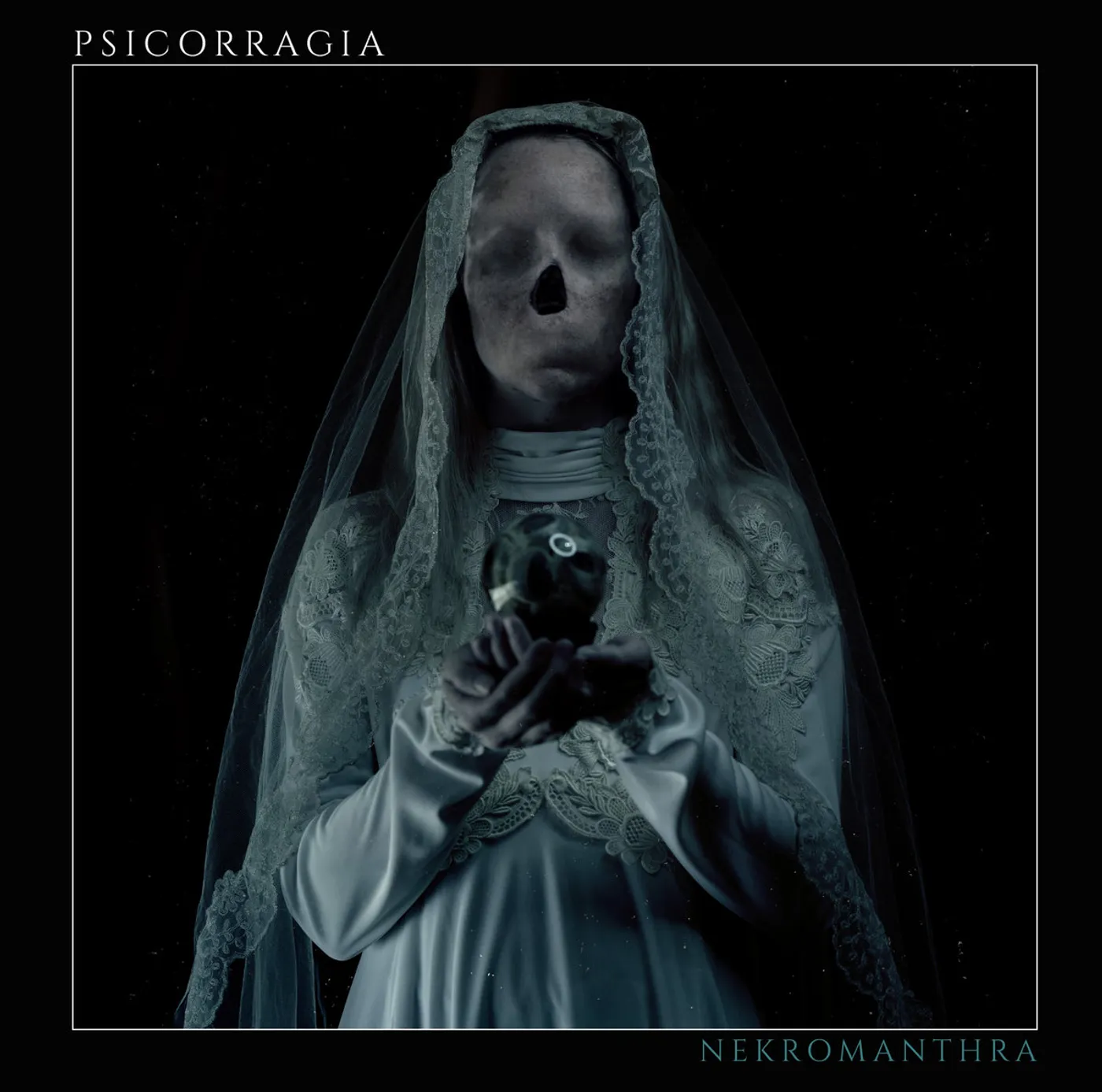
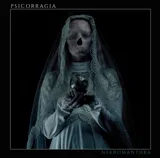
 Psicorragia have been going since 1994, which in Lima means three decades of doing this a very long way from anyone who was paying attention. Nekromanthra does not sound like a band trying to be noticed. It sounds like a band who settled on one idea a long time ago and have spent since then making it heavier.
The idea is space. Every one of these six tracks is built on reverb long enough to become an instrument, snares that keep ringing after the hit, guitars tuned low enough that individual notes stop mattering and the wall becomes the point. It could easily have been mastered into a brick, and it has not been. The heaviest passages here breathe, which is the difference between oppressive and simply loud, and it is the record’s single best decision.
Mario Romanet’s vocals are entirely in Spanish and mostly at the bottom of the mix, guttural and set back inside the reverb rather than placed on top of it. On “Nekromanthra, el meditar de los fúnebres” that widens into something stranger: cavernous growling giving way to choral drones and spoken recitations, a ritual rather than a song, and the most memorable eight minutes on the record. “Lo inexorable” works the same territory at an even slower crawl, all resonance and decay, with silences that are as deliberate as the riffs.
Where it lifts is when a melody is allowed above the murk. “Sombras luminosas” puts a melancholic lead line over the fuzz with enough presence to stay legible, and “La osamenta” does something similar with clean guitar and delay, and both times the contrast makes the weight underneath feel heavier rather than thicker. The band clearly know this: those are the two most dynamic pieces here.
The cost is consistent enough to name. Across all six tracks the bass functions as sub-frequency floor rather than as an instrument with an attack, so when the tempo drops to a crawl there is nothing articulating the low end except the guitars, and the 150 to 400 Hz region gets crowded. On the closer the kick loses its outline entirely inside the density. Some of that is the genre speaking, since nobody comes to cavernous death-doom for note separation, but there is a difference between a wall you have built and a wall that has built itself, and this record occasionally lets the second happen.
Still, this is the sound of a band who know exactly what they are for. If you want the slow, the low and the ritual, and you do not need the words, Nekromanthra will bury you politely. Start at the title track and give it the dark it asks for.
This is built on room rather than on riffs. Long reverb tails on the drums and voices create a cavernous, almost church-like space, the guitars are tuned low into a thick fuzz where single notes dissolve into one mass, and the drums sit deep in that space with a snare that rings on and a kick that pushes sub weight instead of clicking. Crucially the mastering has left headroom, so the crushing passages actually breathe instead of pumping, which is what separates this from a record that is merely loud. The vocals are deep Spanish gutturals set back inside the reverb, with choral drones and spoken recitations on the title track, and intelligibility has clearly been traded for atmosphere on purpose. The consistent cost is the bass: across all six tracks it works as a sub-frequency floor without percussive attack, so at the slowest tempos the low end is crowded around 150 to 400 Hz and the kick loses its outline in the densest stretch.
Standout tracks: Nekromanthra el meditar de los fúnebres, Sombras luminosas