 Bandcamp
 The opener is the flattest thing here and the closer is the widest, darkest, quietest and heaviest. In between, Abysses of Melancholia travels further than most records four times its length.
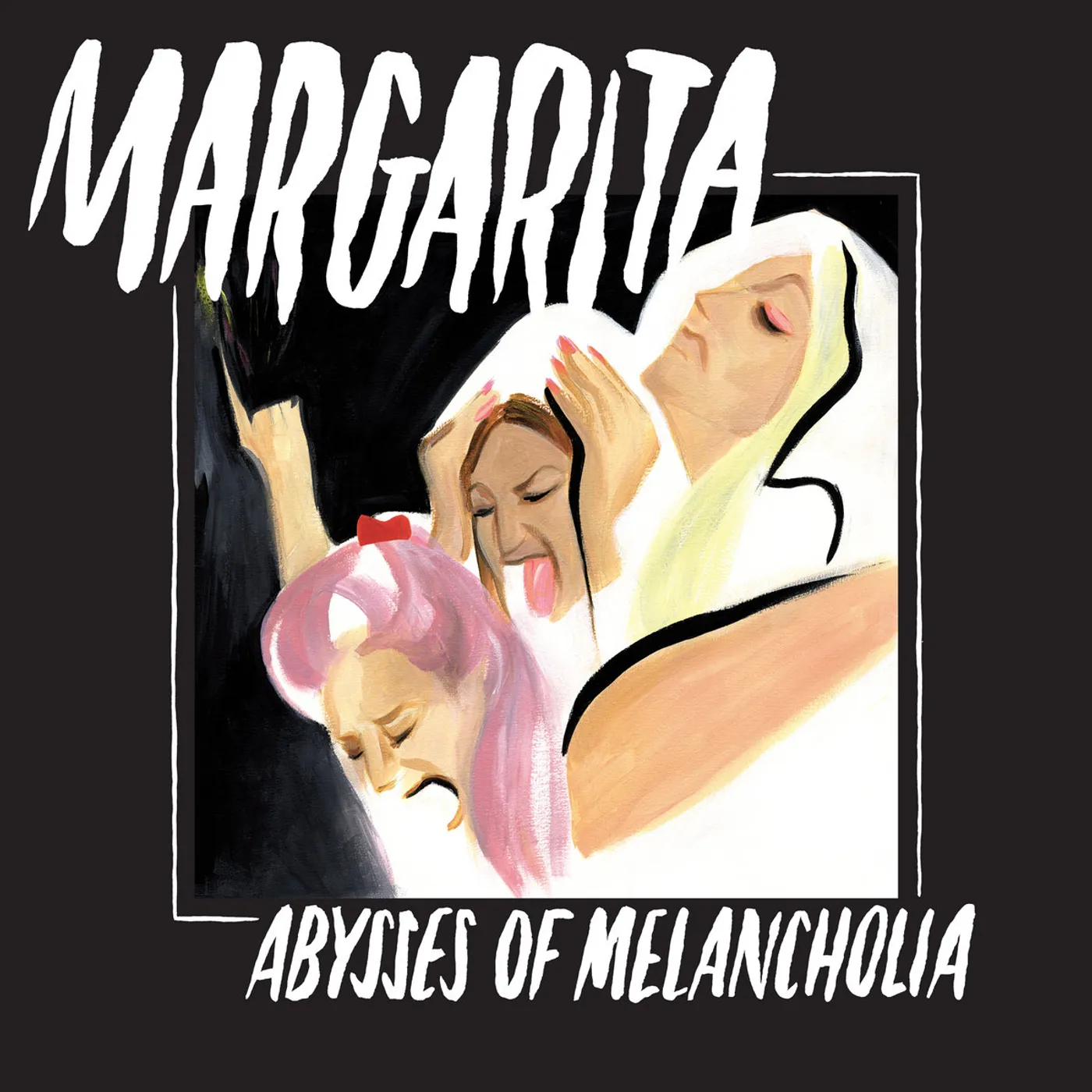
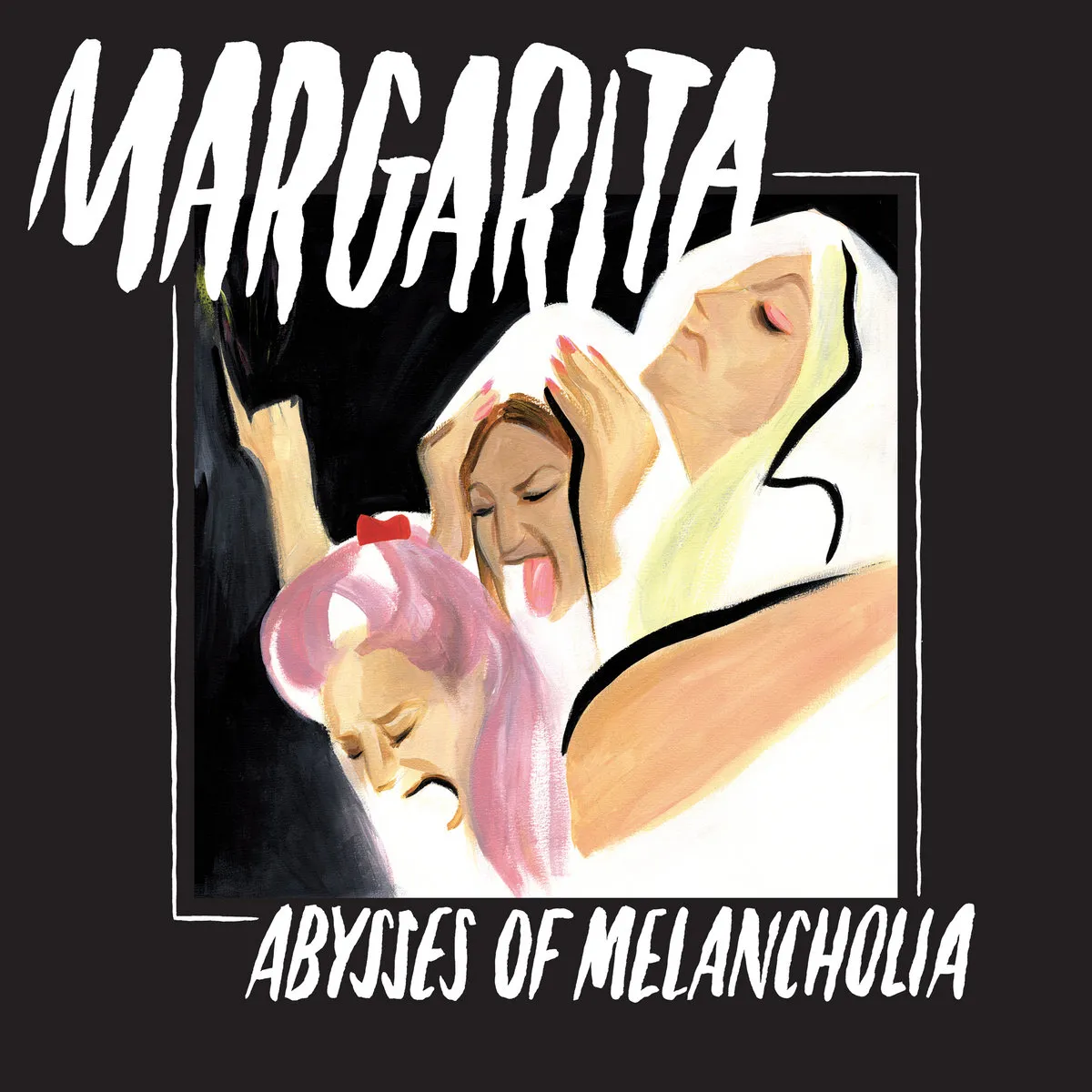
Karen Verdier-Désérable plays guitar and sings, Julie Appéré plays bass, sings and handles the synth, Julie Picard drums. Stéphane Miollan recorded and mixed it, Guillaume Brot mastered it at Seeding Waves, and the sleeve is by Nine Antico and Éric Bricka. Six songs, out on Electric Valley.
The shape of it
“Blood Incantation” opens at a single sustained level and stays there, which on a different record would be a complaint and here reads as a starting position: this is what the band sound like when they are not moving. Then they start moving. “Not a mother” opens four times as wide as the opener did, and by the time you reach the end the album is somewhere else entirely.
The darkness is worth naming as a strength rather than a hedge, because a measurement like this usually gets read as a complaint. Less than a tenth of this record’s energy sits above five kilohertz, which puts it among the half dozen darkest things we have measured, and it is the single most distinctive thing about the band. Not murk, and not a muddy mix. A deliberate refusal to put anything shiny on top of music that does not need it.
Where it ends
“Better off alone” is the closer and it does not belong to the album in front of it. Its tonal centre sits six hundred hertz below the record’s median. It carries a fifth more weight in the bottom band than anything else here, and barely more than half the treble of the record’s median. It is also the one track with real room around it, the quietest in average level and the one with the most headroom.
Put plainly: the band spend five songs being a doom band and then spend the last one being something slower and sadder that has nothing to prove. Whether that is an ending or a trailer for the next record is the question the album leaves open, and I would take either answer.
So
Recommended, and the reason is the trajectory rather than any individual song. A debut-feeling record that knows how to go somewhere is worth more than a better-played one that stays put, and this one moves with intent rather than by accident. The reservation is in the middle: tracks two through five do most of their work at a similar level and a similar colour, so the arc is carried almost entirely by the first and last tracks. Start at “Better off alone” and then go back to the beginning, which is the wrong way round and the right way in.
The spread is the story and the closer is the outlier. Across the six tracks dynamic range runs from 4.3 decibels on “Blood Incantation” to 17.4 on “Not a mother”, with a median of 10.6. Tonal centres sit between 1670 and 2140 hertz for five of the six, median 1793, which is the fourth darkest of the forty one albums in our measurement set. The treble share runs 8.4 to 11.9 percent with a median of 9.4, sixth lowest on file. “Better off alone” measures nothing like the rest: a tonal centre of 1174 hertz, 31.4 percent of its energy below two hundred and fifty hertz against 21.0 to 26.2 elsewhere, 5.4 percent above five kilohertz, a crest of 14.1 decibels against 9.8 to 11.6, and the lowest average level on the record at minus 14.5. Elsewhere the master is loud and the headroom modest, around eleven decibels of crest, though nothing is flattened into a block.
Standout tracks: Better off alone, Not a mother, Swamp Lullaby