 Bandcamp
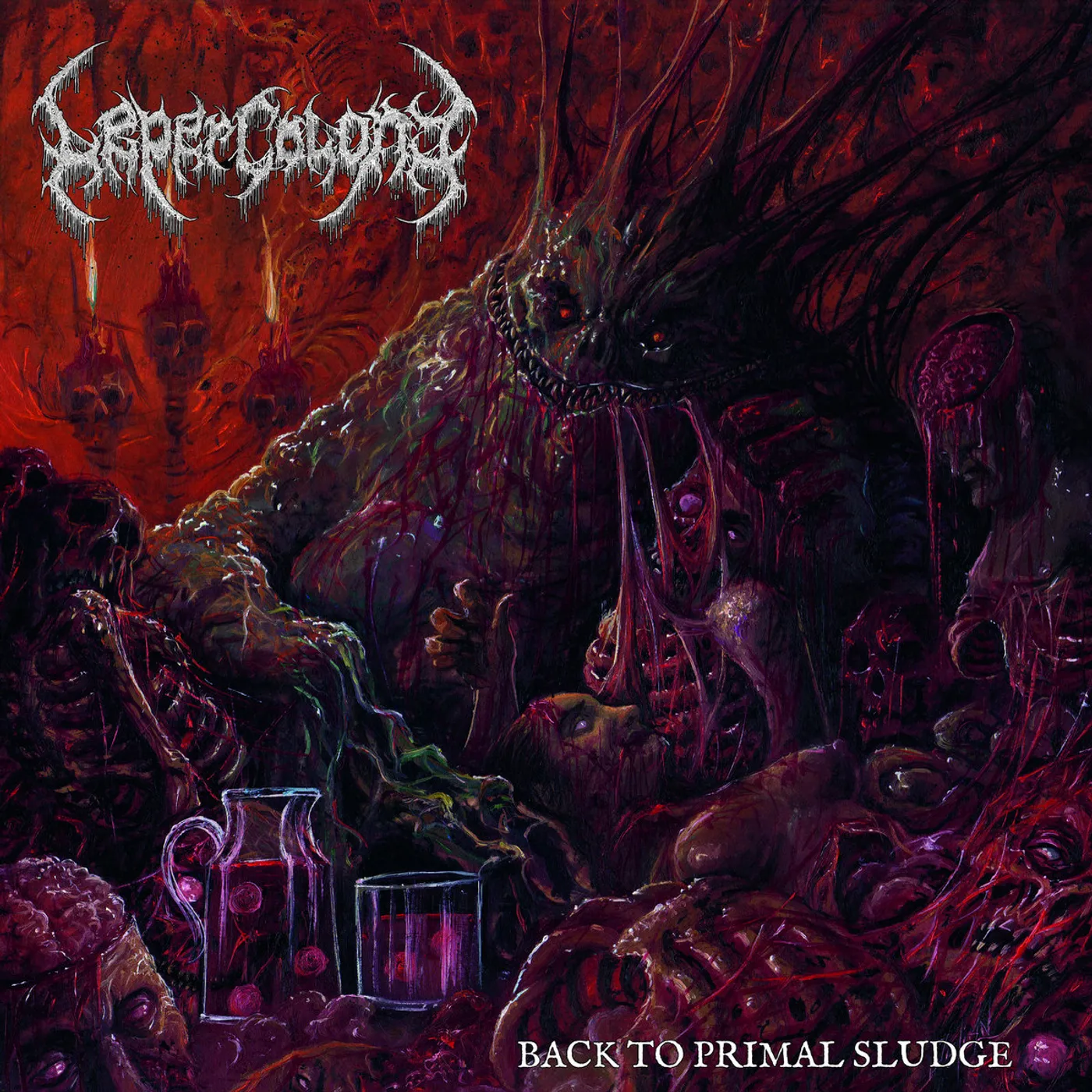
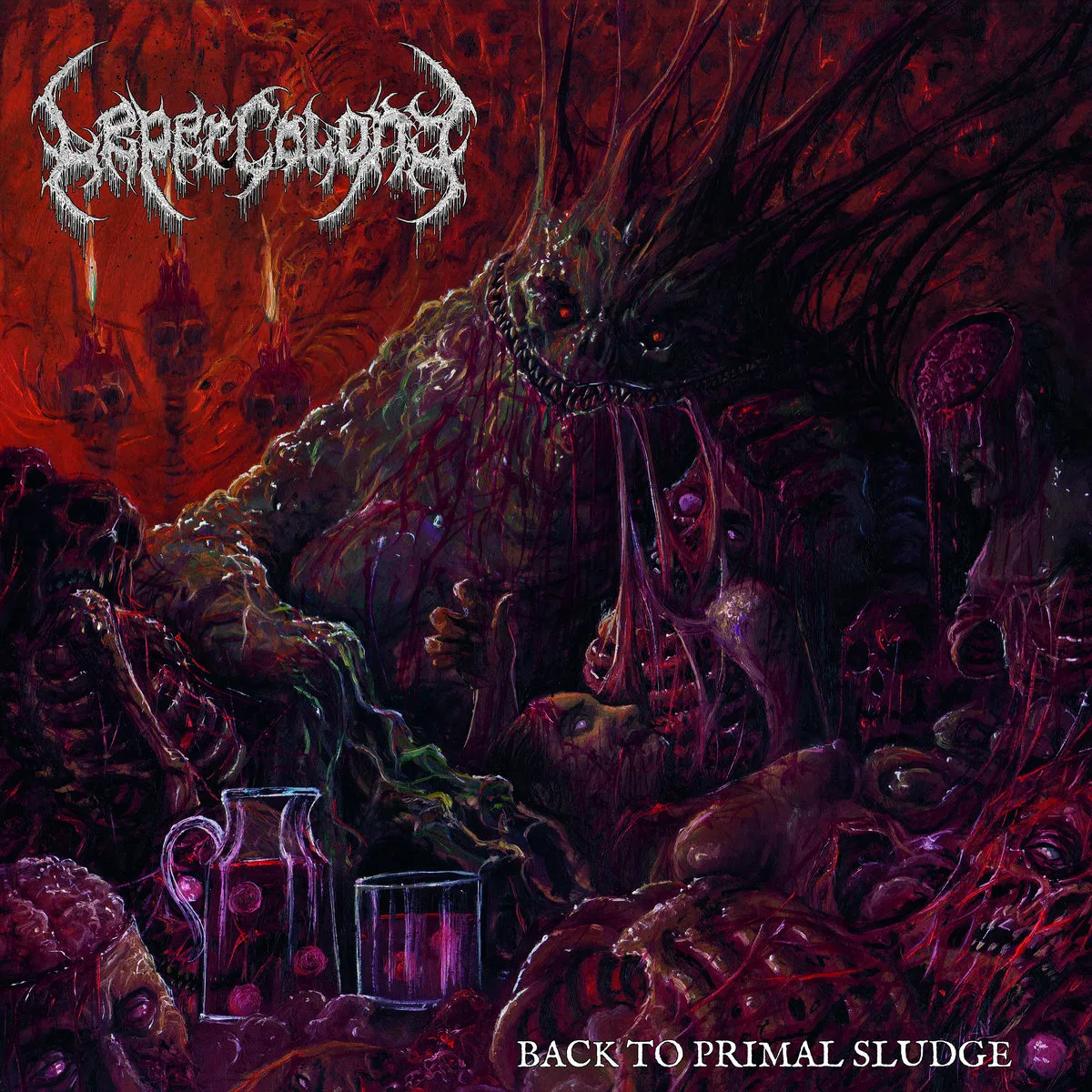
 Here is the verdict first, because the number that follows will otherwise be mistaken for one. Back to Primal Sludge is a competent, enjoyable old school death metal record that does precisely what it sets out to do and nothing beyond it. Three out of five is where that lands here, and three is our normal mark for a record worth hearing rather than a mark against it.
Now the number. This is the flattest album we have measured. Across the nine tracks the distance between the quiet and loud passages has a median of 4.6 decibels, which edges out the previous flattest in our set of thirty eight. That is the reservation and not the finding, which is worth stating outright: some records measure unusually and the measurement is the interesting thing about them. This is not one of those. Here the flatness is simply what a record sounds like when every song is set to the same intensity from the first bar to the last.
In fairness to the form, that is partly the tradition speaking. Death metal of this vintage was never built on light and shade, and the Floridian and Stockholm templates the label cites in its own copy are both styles where the riff arrives at full strength and stays there. A record like this demanding the same dynamic sweep as a post-metal album would be a category error. The problem is one of degree rather than kind, and the degree here is unusual even by the standards of the style.
The project explains some of the record’s character. Leper Colony is Marc Grewe, the German voice behind Morgoth and later Insidious Disease and Asinhell, working with the Swedish guitarist and bassist Rogga Johansson, whose list of bands is longer than most people’s record collections. The label describes this as a direct continuation of last year’s Those of the Morbid, and the two national schools of death metal are audibly being held in balance rather than blended into something new. The vocals are consistent across all nine songs, a low growl with harsher edges pushed up in a few places, and the guitar tone is the clean, bright, cutting sort rather than the buzzsaw murk some of Johansson’s other work reaches for. The record is bright, in fact, measurably so: its tonal centre sits in the upper quarter of everything we have run, and the nine tracks hold that centre inside a narrower band than any album of comparable length we have run.
Then the last track happens. “Beneath the Fat and Gristle” opens more than four times as wide as the album’s median. It is also the second shortest thing here, and the only one that does not sound like it is holding something back. For eight songs the band give you a single sustained level, and in the final three minutes they show that the restraint was deliberate and that the other setting was available all along. That is a strange place to put your best structural idea, and it makes the preceding half hour read differently in hindsight, which may well be the intention.
“Dead Soul Consortium” and “Harness the Undead” are the two in the main body that breathe at all, and not by coincidence they are the two with the most going on. “Seelenjäger” is the opposite case, the tightest and most locked of the nine.
Who this is for: people who already own a shelf of this and want one more done right, and anyone who has been waiting for Grewe to sound like that again. Who it is not for: anyone hoping a death metal record will take them somewhere over its running time. Start at “Dead Soul Consortium”, and do not skip the last track.
This is the most consistent record in our set and the flattest. Dynamic range across the nine tracks has a median of 4.6 decibels with five of the nine between 3.7 and 4.6, which is the narrowest median of the thirty eight albums we have measured. The exceptions are “Dead Soul Consortium” at 10.6, “Harness the Undead” at 10.7 and the closer “Beneath the Fat and Gristle” at 19.7. Crest values run 9.5 to 10.4 decibels above average and average levels sit between minus 8.8 and minus 9.3, so this is a loud master with little headroom, though the peaks are intact rather than clipped. The tonal picture barely moves: centres between 2364 and 2513 hertz, the low band under two hundred and fifty hertz between 18.5 and 20.1 percent, the midrange between 49.9 and 51.4, and treble between 16.2 and 17.3. The centres are the striking part: 149 hertz separates the brightest track from the darkest, where the next tightest album of eight tracks or more in our set spreads 356, and the median of 2504 puts the record in the brighter quarter of what we have run.
Standout tracks: Beneath the Fat and Gristle, Dead Soul Consortium, Harness the Undead