 Bandcamp
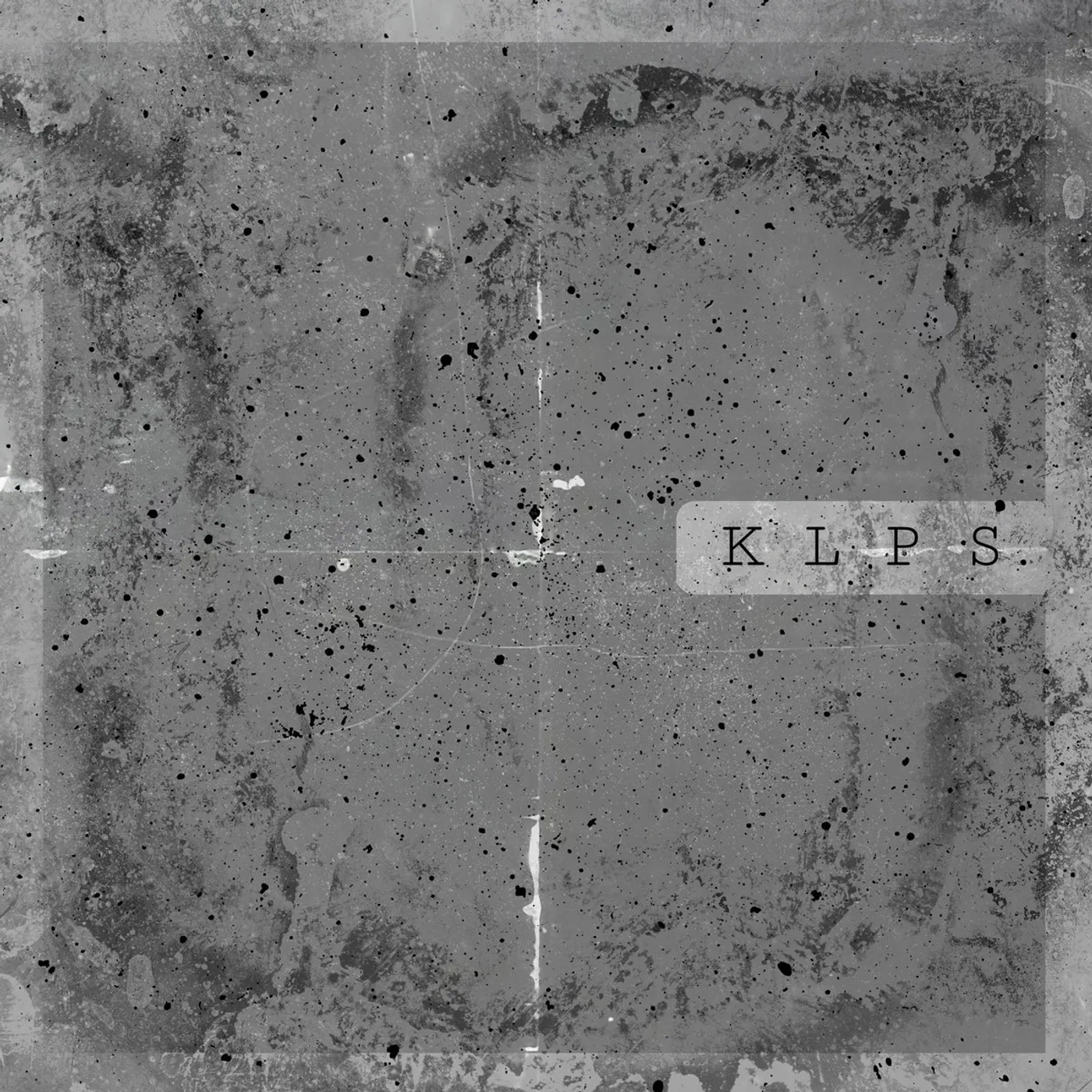
 Six tracks, forty three minutes, and a pattern you can set a watch by. The weight below two hundred and fifty hertz increases on every single track in sequence, from the opener to the closer, without one step backwards. Records that build are common. Records that build this literally, measured track by track in the order they appear on the record, are not.
That is the spine of K L P S and it is worth saying plainly before anything else, because it is also what makes a forty three minute post-metal record hold attention past the halfway mark. The album is not repeating itself at increasing volume. It is descending.
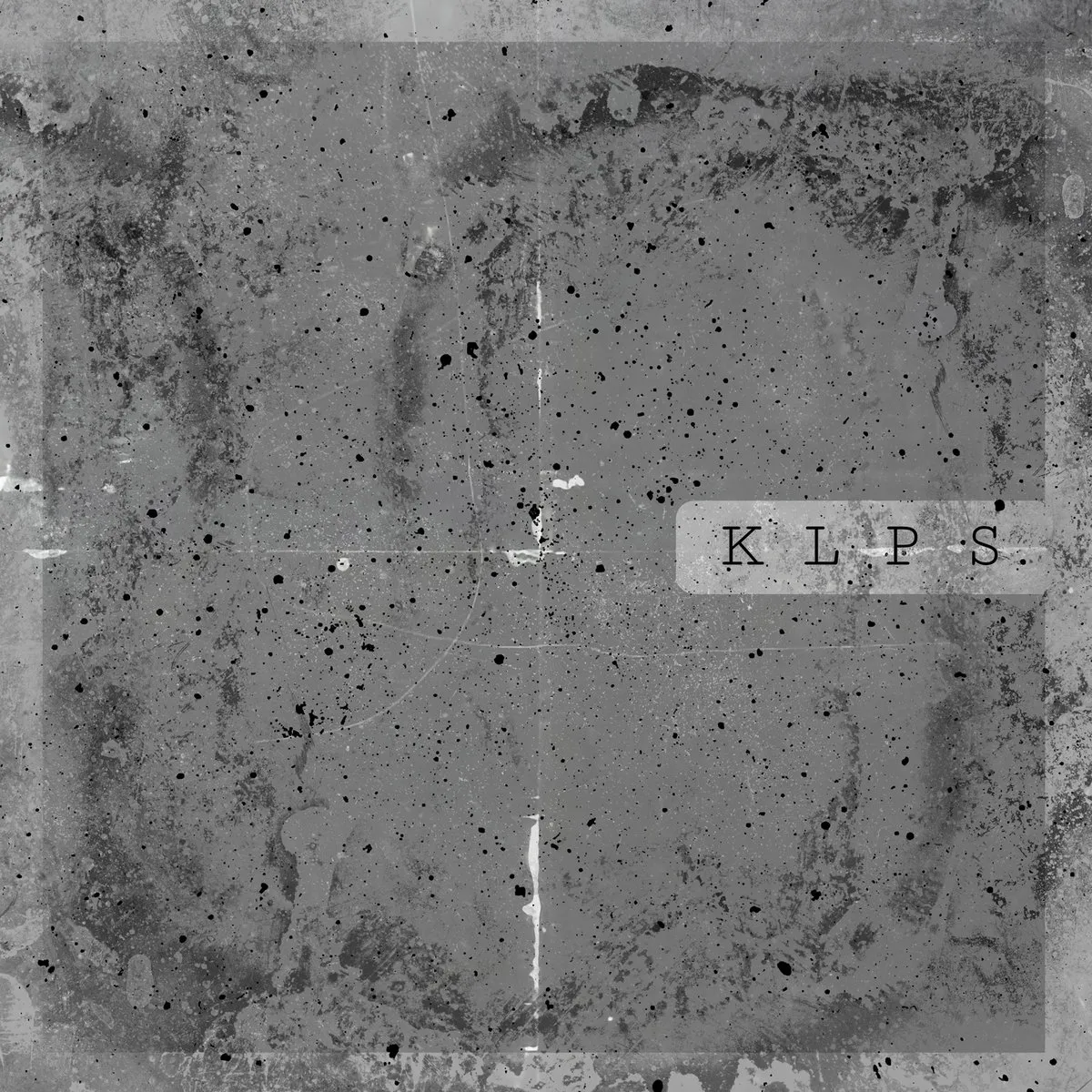
The band are from Helsingborg and used to be called KOLLAPS\E. They changed it, and the reason is the opposite of what usually happens: there is a Danish band called Kollapse, they did not know about it when they started, and rather than dig in and let the confusion sit they went looking for something else. Nothing fit, so they compressed what they had into four letters. A band willing to make itself harder to find in order to stop being mistaken for someone else tells you something about how it operates, and it is the same instinct audible in the music, which is patient to the point of stubbornness.
“AUREOLA” closes and is both the widest and the heaviest thing here, opening wider between its quiet and loud passages than anything before it. It is the arrival the five tracks in front of it have been walking towards. “KATARSIS” at track two is the other one that breaks out early, and it functions as a preview rather than a peak.
Where the record is less interesting is in its colour. The tonal centres sit inside a span of about two hundred and twenty hertz across all six pieces, the treble share barely moves, and the master holds one level of headroom throughout. That consistency is what lets the low end progression register at all, so it is not a flaw exactly, but it does mean the album works on one axis rather than several. Asked whether the music changed with the name, the band said it had not, only evolved: same band, same style, more focused and better produced. That is an accurate self-description and also the limit.
So: recommended, particularly to anyone who likes this music for the long arc rather than the individual riff. This is a band with a genuine structural idea, executed across a full record without announcing itself, and the patience it asks for is repaid in the last ten minutes. The reservation is the narrowness of everything that is not the bass: six tracks at one tonal setting, and if the slow descent does not get its hooks into you by the third song, nothing later will change that. Start at “AUREOLA” if you want the destination first, or at “SUBVERSE” if you would rather earn it.
The low end rises in sequence and never steps back. The band under two hundred and fifty hertz measures 19.3 percent on “SUBVERSE”, 19.7 on “KATARSIS”, 21.3 on “TRIBULATION”, 21.8 on “NATTSVART”, 22.4 on “UNDERTOW” and 23.1 on “AUREOLA”, in exactly that running order. Dynamic range has a median of 10.3 decibels with a spread from 8.0 on “UNDERTOW” to 18.0 on the closer, against 14.8 for the next widest. Everything else is held steady: crest values between 11.4 and 12.5 decibels above average, average levels between minus 10.9 and minus 12.0, tonal centres between 2227 and 2449 hertz, midrange between 49.4 and 52.8 percent and treble between 16.1 and 17.5. Nothing is compressed flat, and the uniformity of the rest is what makes the bass progression legible.
Standout tracks: AUREOLA, KATARSIS, UNDERTOW