 Bandcamp
 The bio says eight years between albums. What actually happened is better and worse than a gap, and the band said so when asked: “we never formally disbanded, we just let some time pass.” Two people in different Sicilian cities, a drummer gone before the previous record was even tracked, and then nothing until one of them asked in early 2022 why they did not start again.
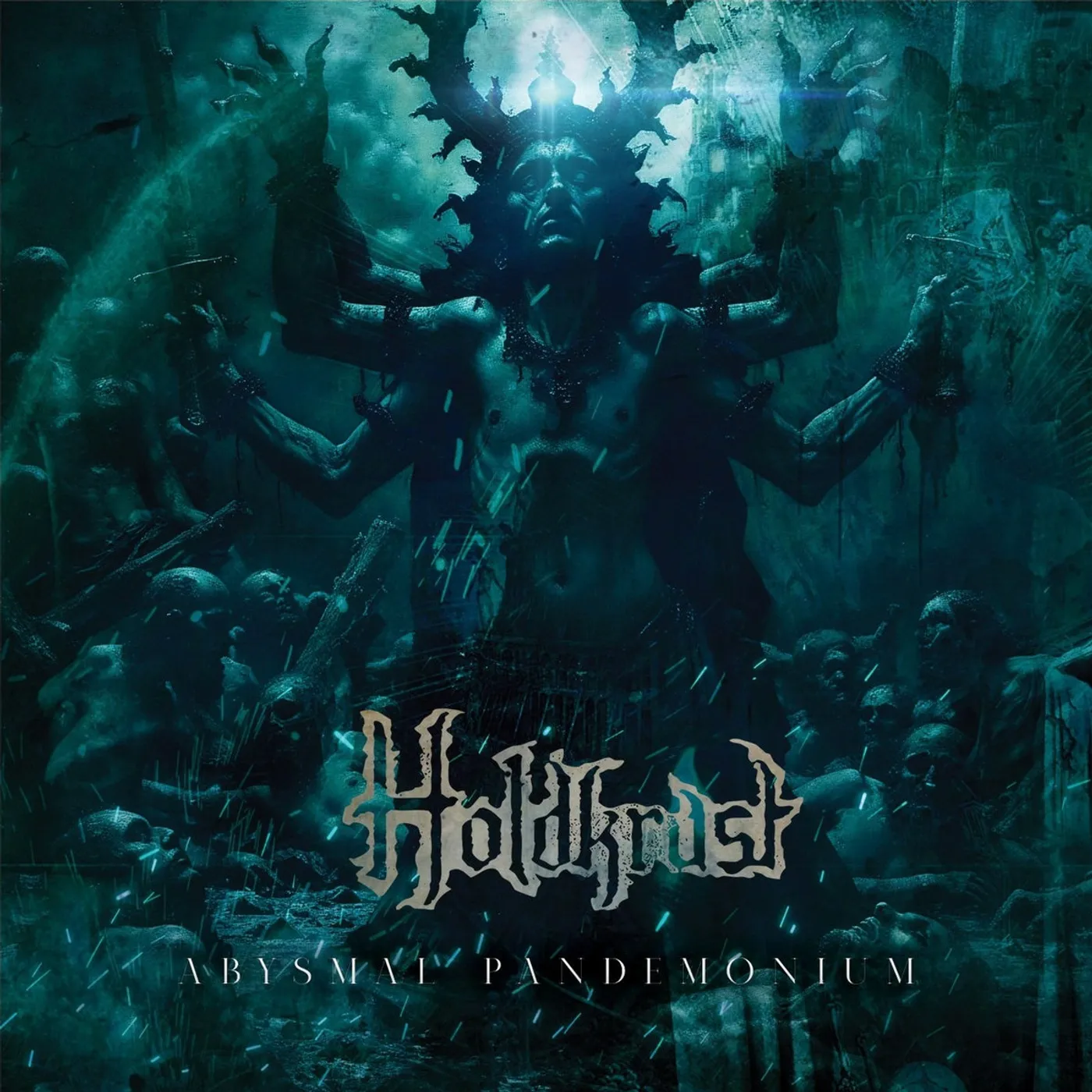
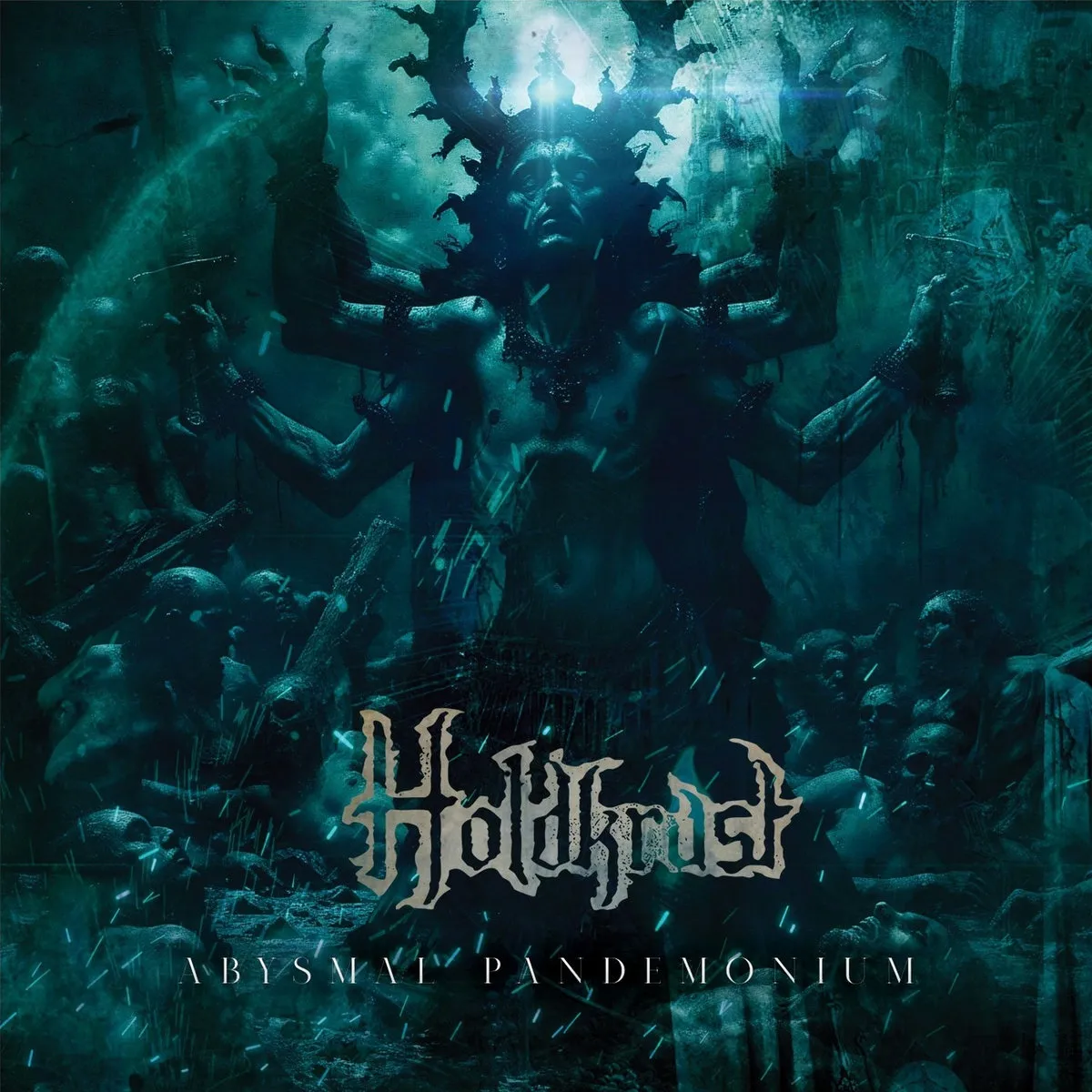
Abysmal Pandemonium is what came out of that, and almost everything audible about it follows from how it was made.
What it took
Dario was direct about the conditions, which is rarer than it should be. They looked for a drummer and could not find one. They wanted a bigger production, the kind that would put them next to the bands they grew up on, explored it properly, and found they could not afford it. So they did it themselves, and they told us the drums are a drum machine.
In most reviews that last sentence arrives as a verdict. It is not one here. A record made under those constraints sounds like a record made under those constraints, and the measurements show exactly that: tight, consistent, controlled, and almost completely without air. Across nine of the ten tracks the distance between the quiet and the loud passages sits between three and seven decibels. That is narrow even by the standards of a genre that was never built on light and shade.
That narrowness is the reservation and it is why this is a three rather than a four. Not because it is cheap, and not because of the machine. Because across twenty eight minutes the record offers the listener one setting, and by the second half you can predict the shape of a track from its first bar. What saves it from being merely flat is that the playing underneath is genuinely good: the riffs are written rather than assembled, and the guitar tone is the clean cutting kind rather than the buzzsaw murk a lot of bands use to hide behind.
Track seven
“Fragments of Despair” is not a song and does not pretend to be. It runs more than ten decibels quieter than everything around it, carries almost no weight at the bottom and seventy percent of its energy in the midrange, and it is the only moment on the album with real space in it. On a record this uniform, one deliberate hole at position seven does more work than another riff would have.
Whether it reads as a breather or as a reminder of what the other nine tracks are missing depends on how much of the album you have already heard when you reach it.
So
Worth hearing, and particularly if you already own a shelf of this and want one more done properly. Three out of five is our normal mark for a record that does its job rather than a mark against it, and what holds it there is the uniformity rather than the playing or the budget. The band sound certain of what they are, the record is cleanly made with the means available, and the gap it came out of gives it a weight the genre tags do not suggest. Two of the tracks are sung in Italian, which on an album otherwise rooted in Floridian and Swedish templates is the most individual decision here. Start at “Maestro Divoratore”, then track seven.
The album holds one level and then breaks it once. Dynamic range across nine of the ten tracks runs between 3.2 and 6.8 decibels, and “Fragments of Despair” at track seven measures 12.7. Crest values sit between 11.8 and 13.7 above average and average levels between minus 10.1 and minus 13.1, so the master is loud but not crushed, and the flatness is in the writing rather than in the processing. Tonal centres run 2306 to 2858 hertz, treble between 14.5 and 18.7 percent, and the low band under two hundred and fifty hertz between 11.6 and 16.4. “Fragments of Despair” measures nothing like any of it: an average level of minus 24.0 decibels, a crest of 17.6, only 3.3 percent of its energy in the bottom band against 11.6 to 16.4 elsewhere, and 70.8 percent in the midrange against 47 to 56. It is the quietest and most open thing on the record by a wide margin.
Standout tracks: Maestro Divoratore, Fragments of Despair, Un Mondo in Fiamme