 Bandcamp
At the six minute mark of “Oblivion’s Thrall” the music drops away to a fraction of its former level, roughly 15 dB below everything that came before it. Then nothing hurries. Over the next two and a half minutes the song climbs back in small steps, and when it reaches full weight again, a little before the nine minute mark, it lands harder than at any point in its first half. That passage is the best argument for this record: Grave Monolith know that in funeral doom the quiet is not a break from the heaviness, it is what gives the heaviness its size.
“Oblivion’s Thrall” is one of two songs here that first appeared on the band’s Demo MMXXIII in 2023, the other being the opener “Abhorrent State of Bliss”. More than three years later they return as the long pillars of a four-track, 45 minute debut on Meuse Music Records. The band are a duo from Portland, Oregon, formed in 2022 according to the label. The Bandcamp credits give Robb Bockman the music, lyrics, vocals, arrangements and compositions, and Brian Chainey vocals, lyrics, arrangements and concepts. Bockman also tracked, recorded and mixed the album at The Maleficarum, and Jack Control and Maor Appelbaum mastered it.
Meuse names Evoken, Worship, Loss and Morgion as reference points, and its notes add Candlemass and Saint Vitus on the traditional side, while the band’s own Bandcamp tags lean toward blackened and atmospheric funeral doom. What unites all of that on the record is patience. Two voices are credited, and both serve the slow build rather than leading it.
Her shadow keeps me cold
The only lyrics published so far belong to “Wounds of the Flesh, Scars of the Soul”, the single and lyric video from September, and they explain the album’s mood better than any press line. The words keep returning to the body as a record of something that cannot be undone: “Waiting for nothing, severing my tendons”, then later “As I watch the blood flow / As I watch the wounds grow”. The refrain ties it to another person, “Her Shadow Keeps Me Cold”, without ever saying who she is. It is grief written as a physical condition, and the music around it is just as direct. At nine minutes it is the shortest song and the one that holds closest to a single weight from start to finish, which made it the right choice for a single and also leaves it as the least surprising of the four.
“Hearts of Violence” closes the album with the widest gap between its quiet and loud passages, briefly falling back around four minutes in and then fading over its last minute instead of ending on a final blow. It is the most varied of the four, and the one to play after “Oblivion’s Thrall” if the first one hooked you.
The reservation is the opener. “Abhorrent State of Bliss” begins quietly for about a minute and a half, then holds one heavy level for roughly ten minutes before it fades. It is also the darkest-sounding track on the record. Played first, it asks for the most patience before the album has shown what it can do with contrast, and listeners new to the genre may decide too early that this is a band of pure mass. Start in the middle instead and come back to it.
The mastering helps all of this. The record sits quieter on average than most albums we have measured, and that headroom is a strength here: the peaks keep their room above the guitar wall instead of being pressed into it, which matters on songs this long.
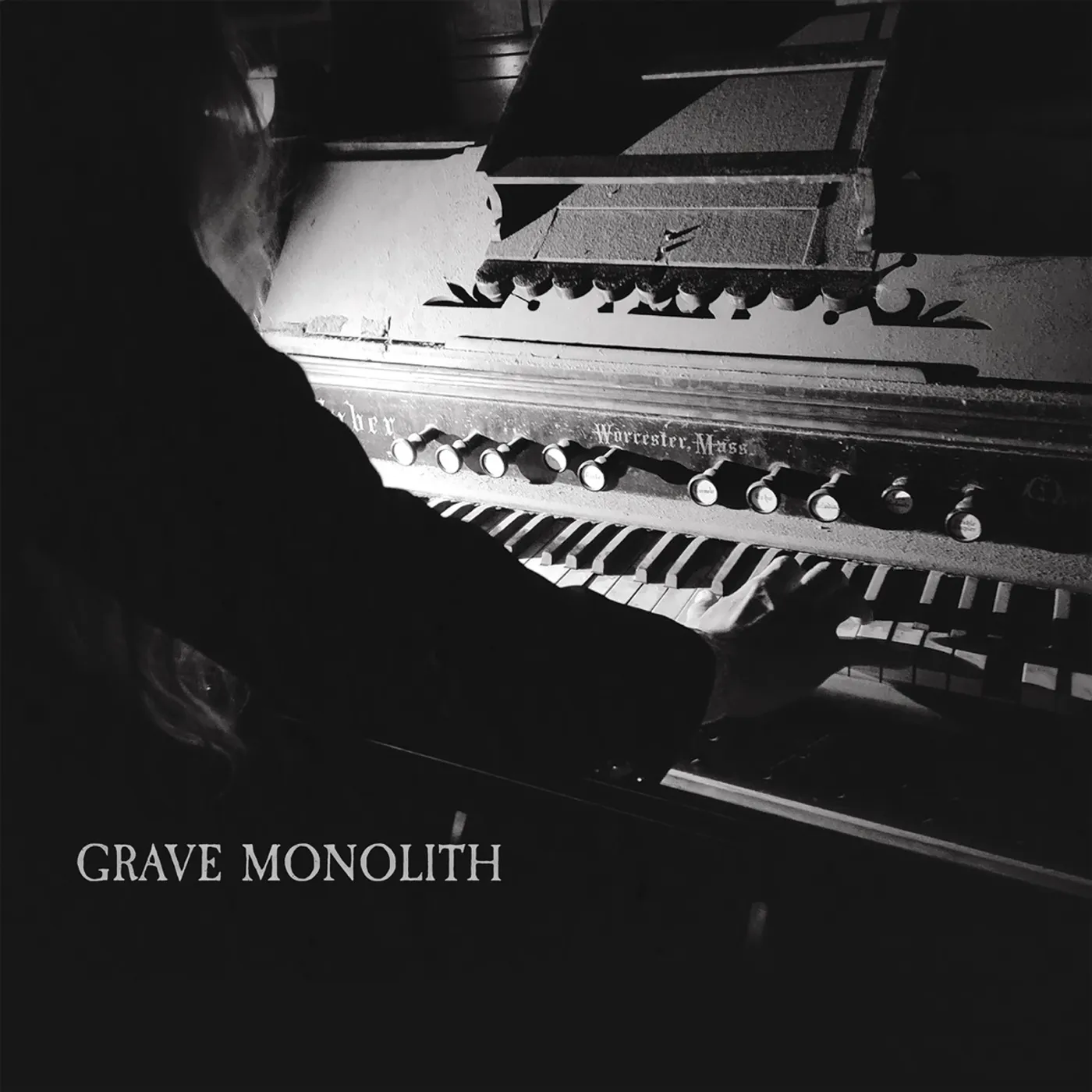
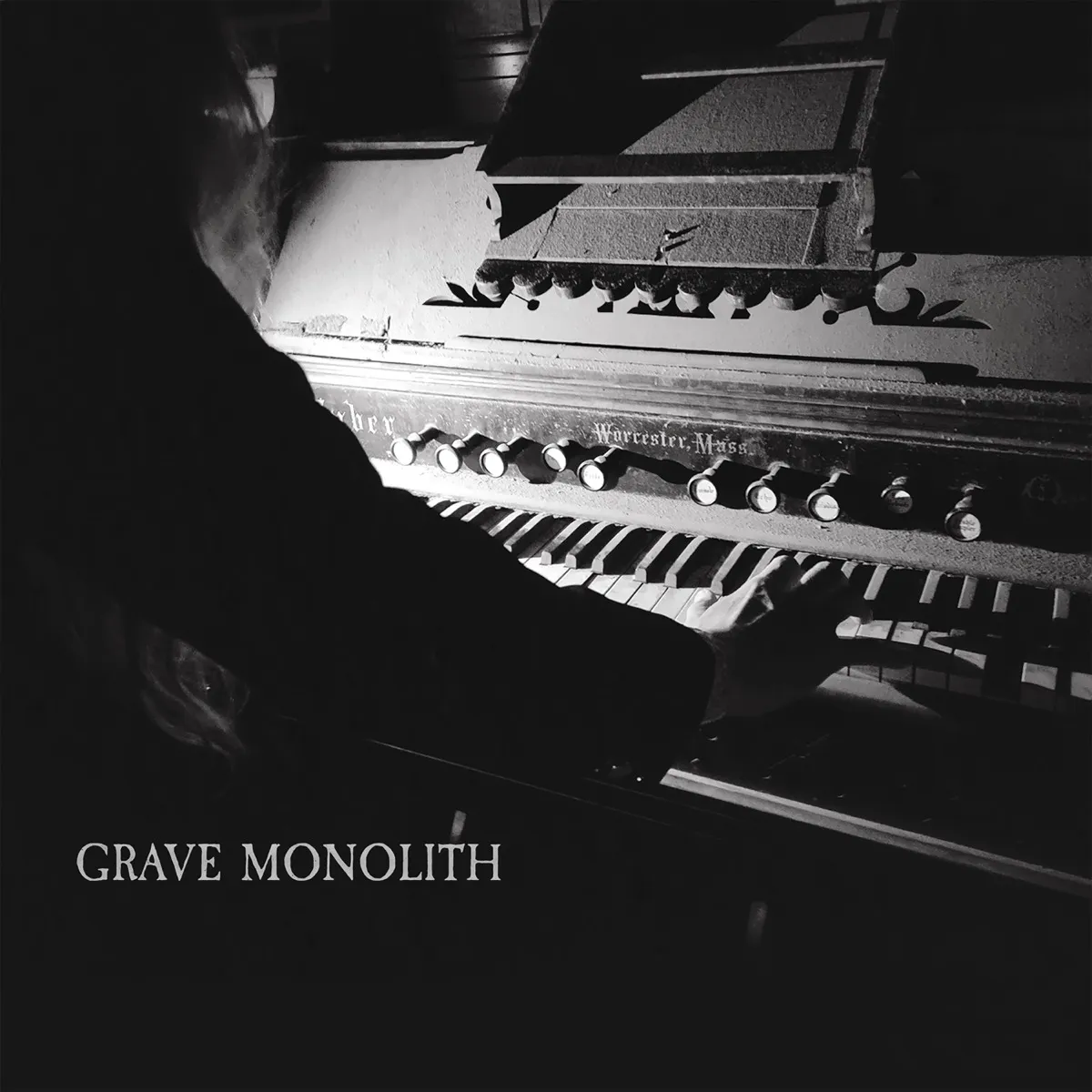
This is an accomplished debut, slow and long by design, and it earns its length with real shape in “Oblivion’s Thrall” and “Hearts of Violence”. For anyone who already lives with Evoken or Bell Witch records, it is an easy one to recommend; for newcomers, “Oblivion’s Thrall” is the door. The cover is a black and white photograph of a long-haired figure bent over an old pump organ, the board behind its stops lettered “Worcester, Mass.”, one hand on the keys and face turned away. It is a quiet image for a quiet band that knows exactly when to stop being quiet.
Standout tracks: “Oblivion’s Thrall” (the drop at six minutes and the long climb back are the album’s finest passage), “Hearts of Violence” (the widest range on the record and a closer that fades instead of slamming the door).
The first thing the numbers show is how far “Oblivion’s Thrall” is willing to fall: its middle drops to a fraction of its level and takes about two and a half minutes to rebuild, and the return is the loudest stretch of the song. The whole album is mastered with plenty of headroom, quieter on average than more than 80 percent of the 606 tracks across 81 albums we have measured, so the peaks keep their room inside the wall. “Hearts of Violence” has the widest spread between soft and heavy, while “Wounds of the Flesh, Scars of the Soul” stays the most even. The opener has the darkest tone of the four and keeps one heavy level for the longest stretch.