 Bandcamp
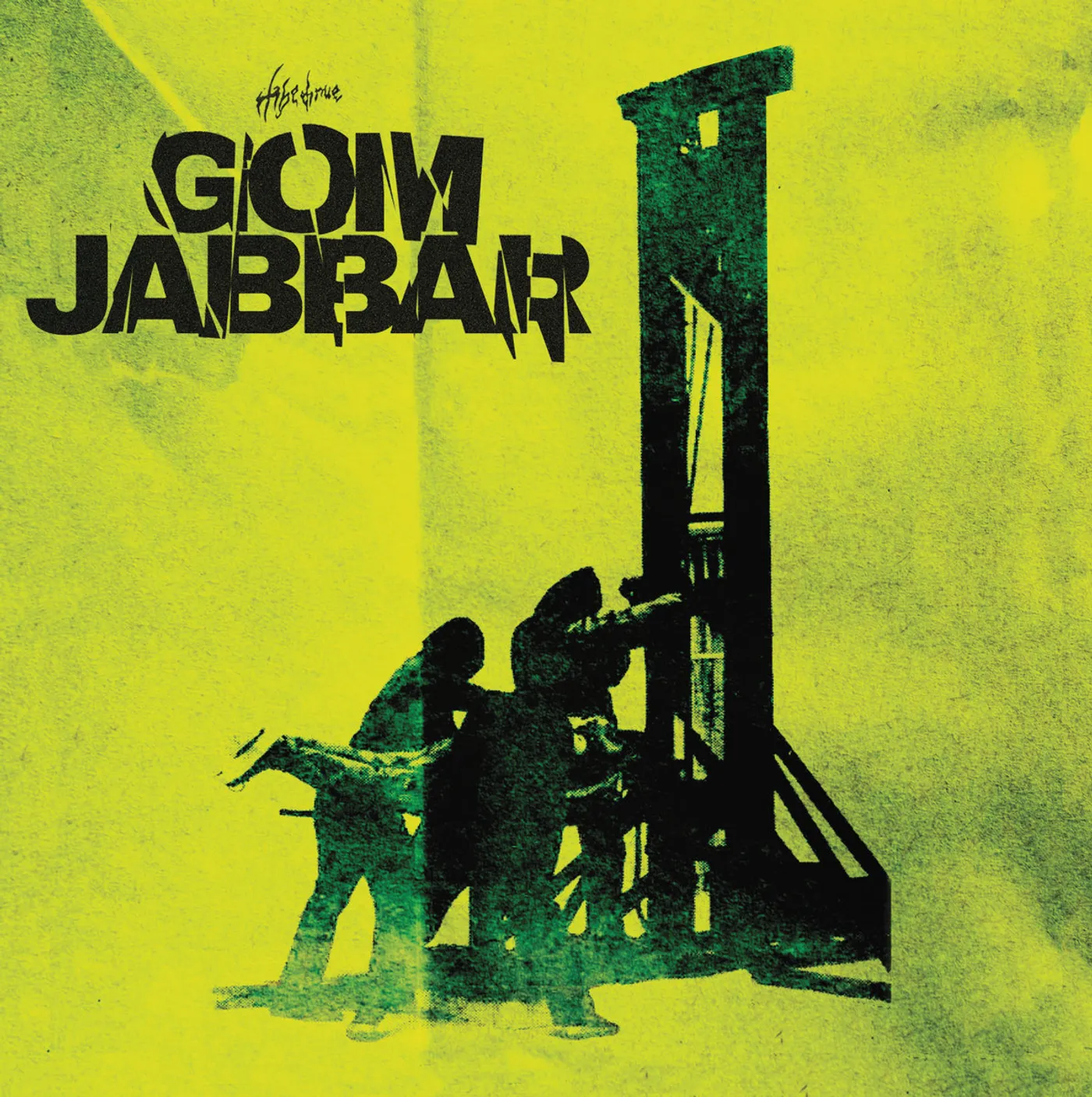
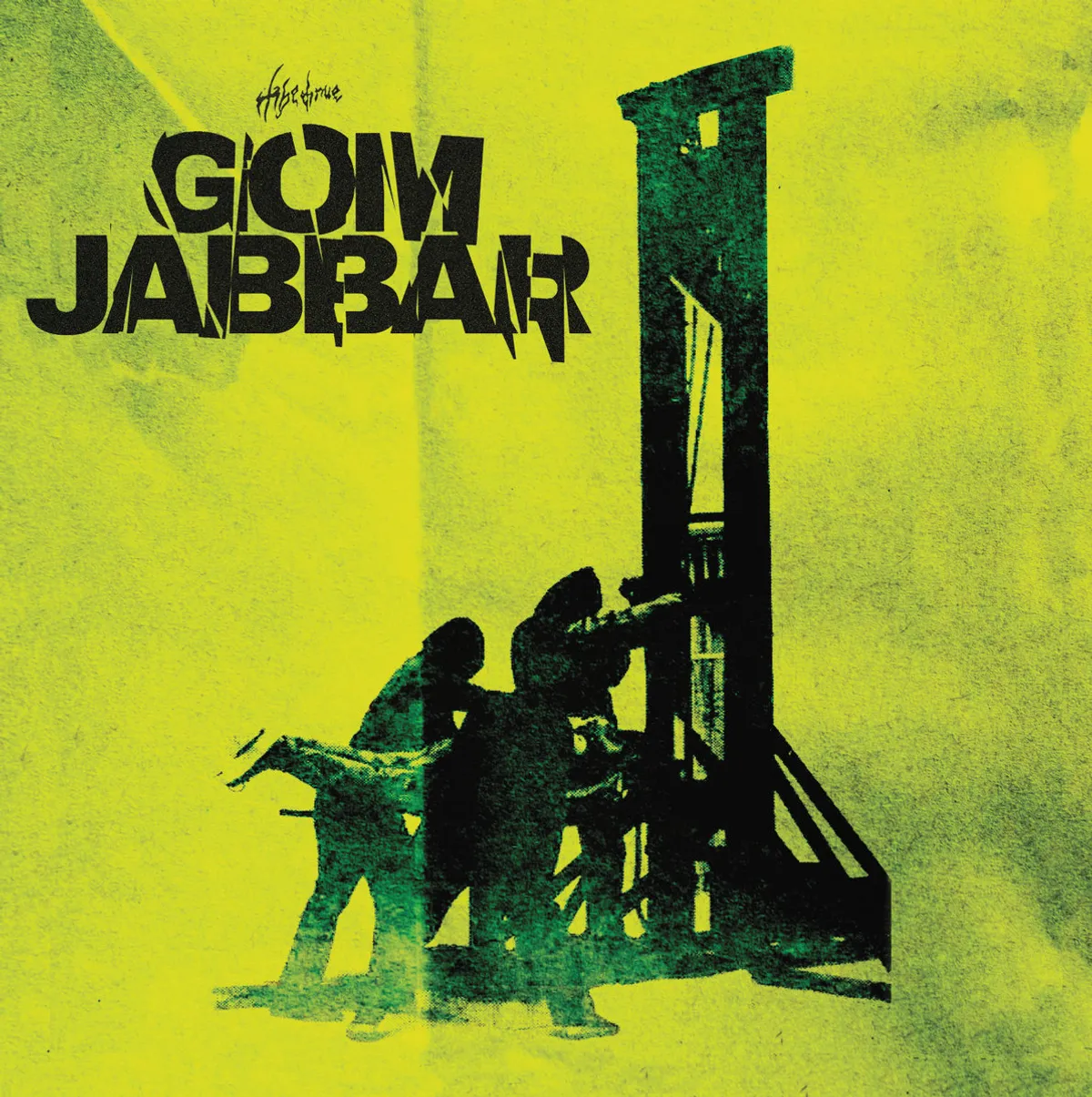
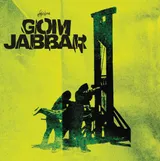
 Let us be honest about where this sits. Gom Jabbar is a long way from the doom and sludge we usually wade through, and that is exactly why it landed on the desk. The Italian duo of Fabio Bortolotti, better known as the chiptune artist Kenobit, and Federico Trimeri of the hardcore band Stormo, build their self-titled debut on one collision: a Game Boy played live with no processing, slammed against a distorted guitar. Eight tracks, recorded by Riccardo Gamondi of Uochi Toki, released under a copyleft license, aimed squarely at late-capitalist dystopia. The band call it low-resolution violence, and that phrase is both the manifesto and the production spec.
So let us get the obvious objection out of the way: yes, this record is brickwalled, overdriven and crushed flat for maximum loudness, the dynamics sacrificed to a relentless wall of sound. In almost any other genre that would be the headline complaint. Here it is the point. Digital hardcore and cybergrind live in the red, and Gom Jabbar commit to the red completely, the eight-bit square waves and the saturated guitar fused into one mid-forward slab of aggression with the shouted vocals riding dry and intelligible on top, every anti-capitalist slogan landing clean. Judging this for a lack of headroom would be like docking a grindcore record for being short.
What keeps it from being a single exhausting blur is the structure. Almost every track sets up its brickwalled main section and then drops the floor out, “Copyfight” collapsing into a wide atmospheric drone outro, “Don’t Buy Nothing” caving into minimalist industrial static, “Bullshit Jobs” falling away into a long dark-ambient tail. That violence-then-void move is the album’s smartest trick, the sudden silence making the preceding assault hit harder in memory than it did in the moment. The opener “Hack Yourself” shows the production at its sharpest, every saturated element knife-separated despite the density, and “No Followers” makes the whole concept explicit, lo-fi synthesizers and metal outbursts smashing into each other with the seams left showing.
Where it wears thin is length. Across eight tracks the single mode, peak-level fury punctuated by an ambient comedown, starts to lose its surprise, and the most overdriven cuts (“Fuck Your Phone,” “The Consequences”) tip from abrasive into genuinely fatiguing even by these standards, the guitars dissolving into undifferentiated fuzz. This is a record that hits hardest in a focused twenty-minute burst rather than start to finish.
Still, Gom Jabbar does the rare thing of making its gimmick feel like a genuine idea. The chiptune-versus-hardcore friction is not a novelty sticker, it is the actual sound of the politics: cheap, disposable technology weaponised against the system that sold it to you. It will not be for everyone who comes here for slow riffs and fuzz, and it is not meant to be. But as a jolt of angry, funny, low-res protest noise from two people who clearly meant every second of it, it is well worth twenty loud minutes of your time.
The production is deliberately crushed flat and overdriven for maximum loudness, which is the genre aesthetic (“low-resolution violence”) rather than a flaw, and the saturated elements stay surprisingly knife-separated on the sharpest tracks (“Hack Yourself”).
Standout tracks: Hack Yourself, Copyfight, No Followers