 Bandcamp
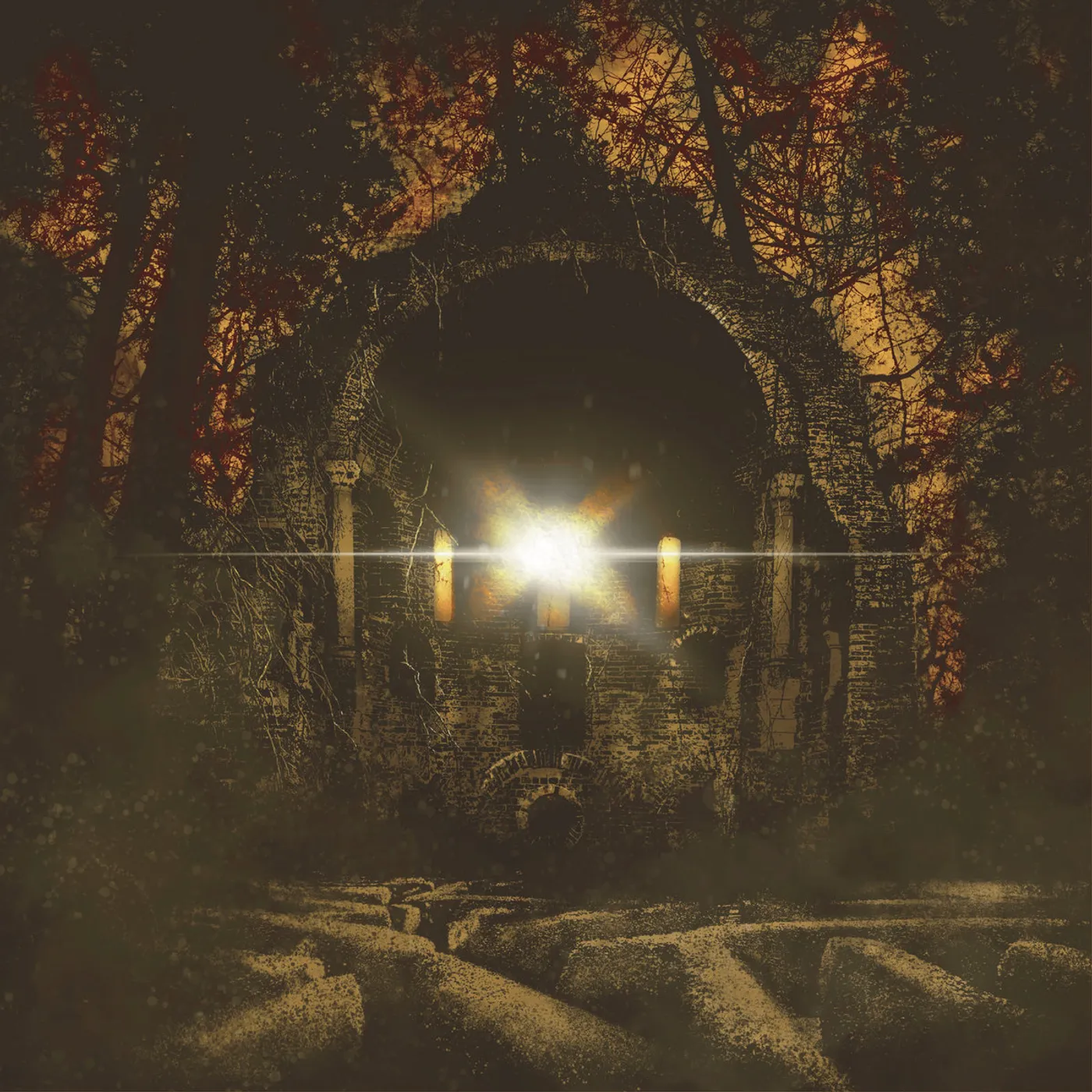
 Some records you cannot really separate from the circumstances that made them, and The One Who Propels is one of them. Gavran, from Rotterdam, spent years in an involuntary silence after guitarist Freek van Rooyen fell seriously ill, the kind of pause that ends most bands quietly and without announcement. That it ends instead in five pieces of this size and this intensity is the first thing worth saying about the album. The second is that you would sense the weight even without the backstory. This is music made by people who had good reason to think they would never make it again, and it moves like it.
The scale is the statement. Five tracks, the shortest over nine minutes and the longest past sixteen, each one a slow accumulation rather than a song in the conventional sense. Recorded at Studio Moskou in Utrecht and mixed and mastered by Tim de Gieter at Much Luv, the same hands behind a lot of the modern Low Countries post-metal sound, the record lives in the lineage of Amenra and Cult of Luna without simply copying either. Opener “Okreni” sets the method: an enormous, saturated wall of guitar that values atmosphere over surgical note definition, a drum kit placed deep and organic in the room, and vocals that swing from a mournful clean to layered, desperate screams buried inside the mix as texture rather than as the thing you are meant to follow. It is patient in a way that only pays off if you give it the full length, and it does.
What raises it above competent genre work is the band’s ear for the drop before the swell. “Brod” builds an almost devotional clean chant into a monolithic low-end collapse, the vocals sinking so far into the reverb they become weather. “Plutaju,” the sixteen-minute closer, holds the widest span on the record, floating clean passages against the album’s biggest wall, and it is the clearest illustration of both the ambition and the one real flaw: in the loudest section the master pushes hard into the limiter and flattens the transients exactly where the release should hit hardest. “Pogon” has a rawer, more mid-forward rehearsal-room quality that occasionally tips into a muddy low end, but it also has some of the album’s most direct aggression, so the trade feels deliberate rather than careless.
The Slavic titles, “Okreni,” “Zora,” “Brod,” “Pogon,” “Plutaju,” turn (roughly) on motion and dawn and vessels and drifting, and while I would not overload a five-word tracklist with meaning, the through-line of the album is unmistakable: propulsion as survival, the act of pushing forward because the alternative is to stop. The band’s own framing, a search for light at the end of countless tunnels, could be mawkish in other hands. Here it is earned by a record that sounds like it was genuinely difficult to make.
The One Who Propels is the sound of a band refusing to disappear, and it mostly justifies every one of its fifty-nine minutes. It is not flawless: at this density a couple of the peaks would have hit harder with a lighter touch on the master, and the sheer length asks for commitment. But it is a serious, moving, unfashionably sincere post-metal record, and the best thing Gavran have made. Given what it took to arrive, that is no small thing.
The production is spacious and dynamic, the guitars a saturated wall that favours atmosphere over surgical note definition, the drums organic and set deep in the room, the vocals swinging from mournful clean to layered screams buried as texture rather than as a lead. “Okreni” opens with the widest dynamic range on the record and is not flattened by the master. Convincing and genuinely moving where it locks in, undercut only by a couple of over-limited peaks.
Standout tracks: Brod, Okreni, Plutaju