 Bandcamp
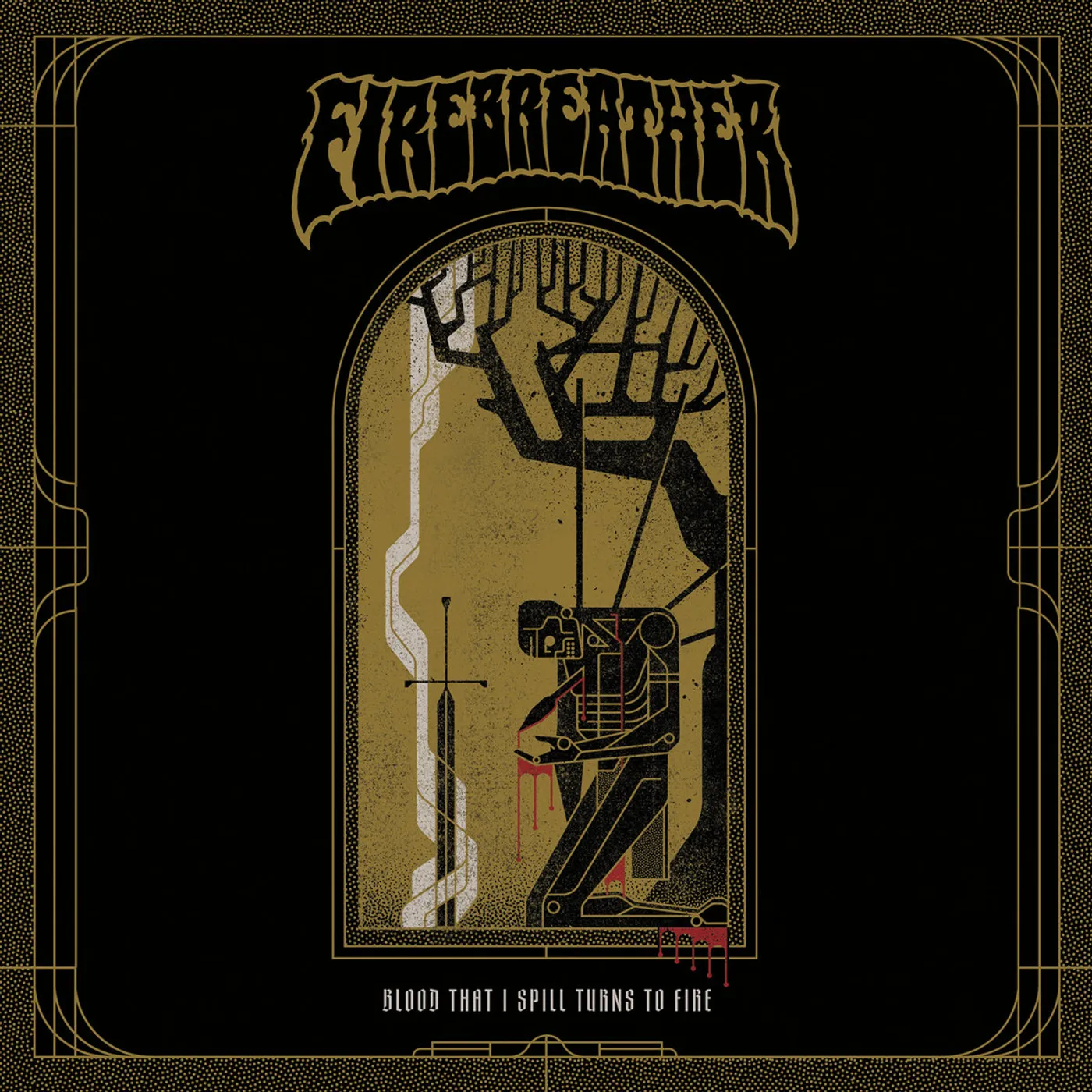
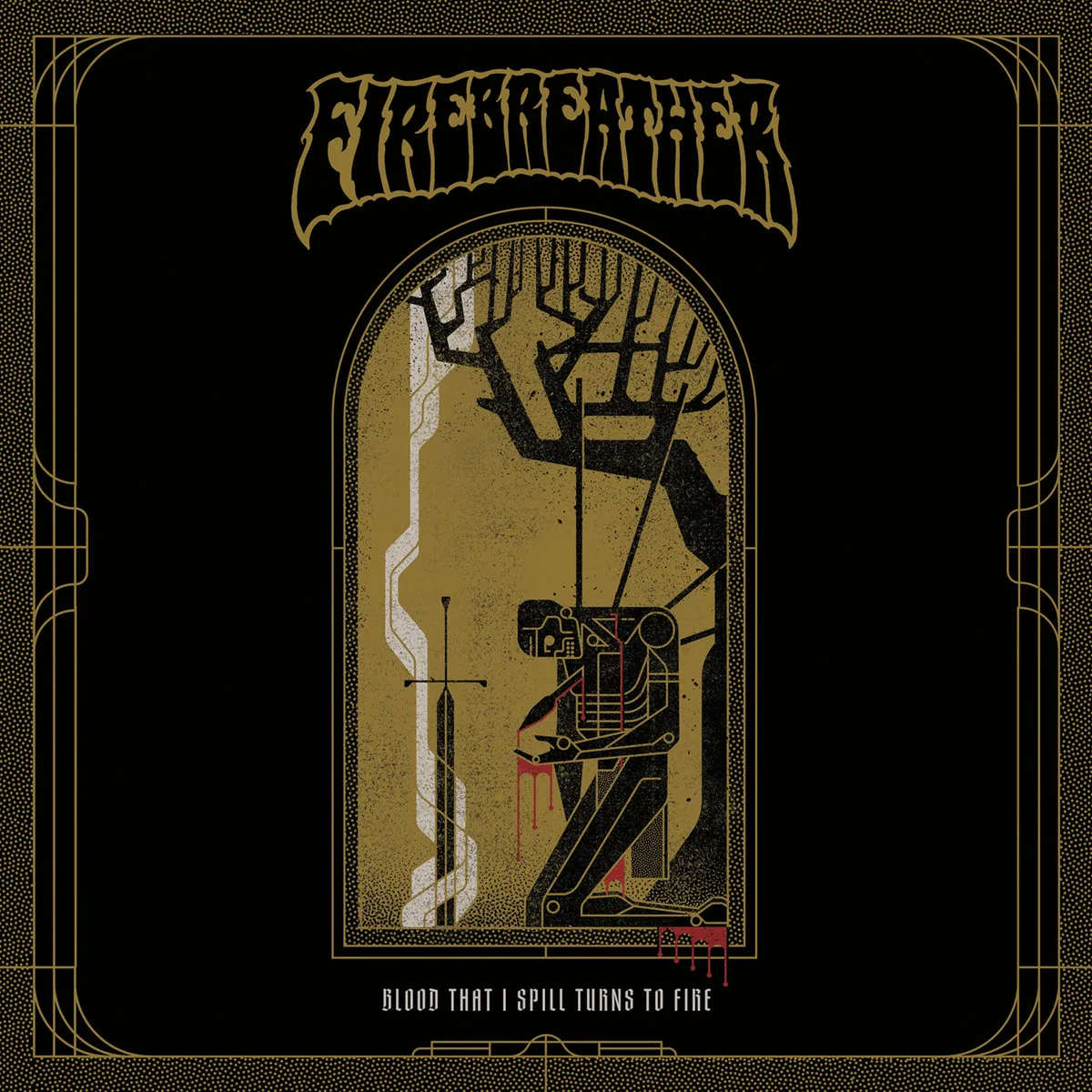
Firebreather were between drummers when it was time to record their fourth album. So they called Tommy Hanning, who had played on their first one, who lives a long way north in Sweden, and who learned the whole record at home before flying down for a single weekend of playing together. Then they went into Studio Underjord with Joona and told him immediately that they wanted it raw and dirty.
You can hear every part of that sentence on the finished album, and it is the most useful thing to know about it.
This is the Gothenburg trio’s first record for Heavy Psych Sounds after three on RidingEasy, and the band’s own description of the goal was raw, heavy and groovy, with a little more melody in the vocals. Mattias Nööjd writes the lyrics and plays guitar, Jacob Madetoja is on bass, and Joakim Olsson is the drummer in the band now. On this record, it is Hanning.
Forty minutes, seven tracks, and the thing that makes it unusual is how little it moves. The spectral centre of every single track lands between 2225 and 2324 Hz, a spread of under a hundred hertz across the whole album, and each one puts between forty two and forty six percent of its energy in the midrange where the guitars live. Records this consistent are normally the product of a mastering engineer flattening the differences. This one is the opposite: the peaks keep a healthy distance from the average throughout, so nothing has been squashed. A band simply found a position and refused to leave it.
That position is a good one. “Against the light” is the widest thing here and it sits at position six, which means the record is still opening up where most albums in this corner are winding down. “Shrines” closes at nearly seven minutes and is the best argument for the approach: the riff does not develop so much as accumulate, and the drums push rather than decorate, which is what you get when somebody learns a record cold and plays it like they have something to prove.
The reservation is the other side of the same coin. Forty minutes at one setting leaves you few landmarks, and the first two tracks are the tightest on the album, which is an odd place to spend your narrowest playing. If you come to this wanting the dynamic drama of a post-metal record you will find it monotonous, and you will be measuring it against something it never wanted to be. Judged as what it is, a Swedish sludge record made fast and deliberately dirty, it is very good.
Recommended. Start at “Shrines”, then go back and let the whole thing run.
The consistency is the headline. Across seven tracks the spectral centre varies by under a hundred hertz and the midrange share stays between forty two and forty six percent, which is an unusually narrow band for a full album.
Dynamic range runs from five to seven and a half decibels between quiet and loud passages. That is tight, and for this genre it is normal rather than a fault: the peaks still sit twelve and a half to thirteen and a half decibels above the average on every track, so there is real headroom and nothing is pressed into a wall. The tightest two tracks are the opening pair.
Low end holds steady around a quarter of the total energy throughout, and the top above 5 kHz stays between fifteen and sixteen and a half percent. Nothing on the record is brighter or darker than its neighbours by any margin a listener would notice.
Standout tracks: Shrines, Against the light, Blood that I spill turns to fire