 Bandcamp
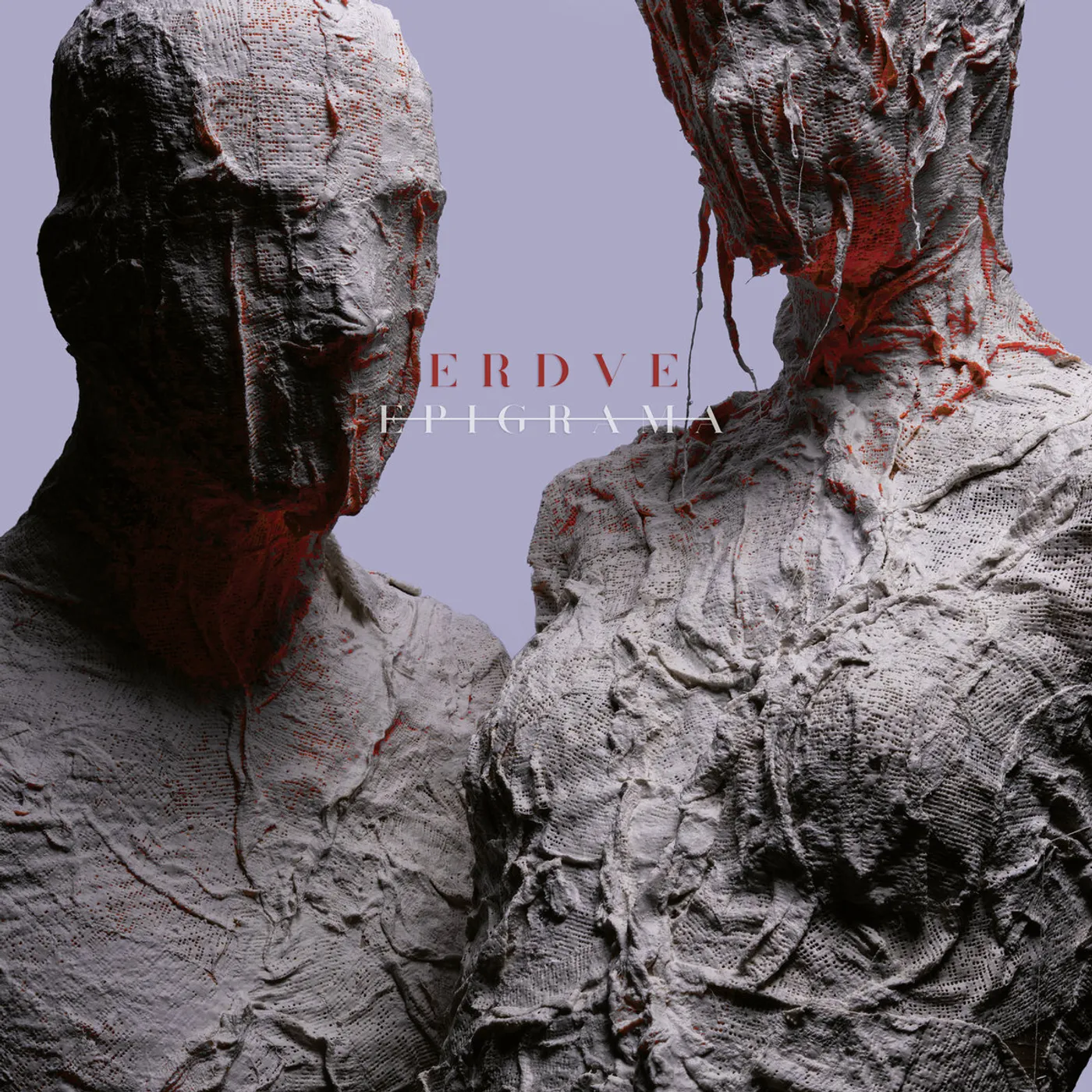
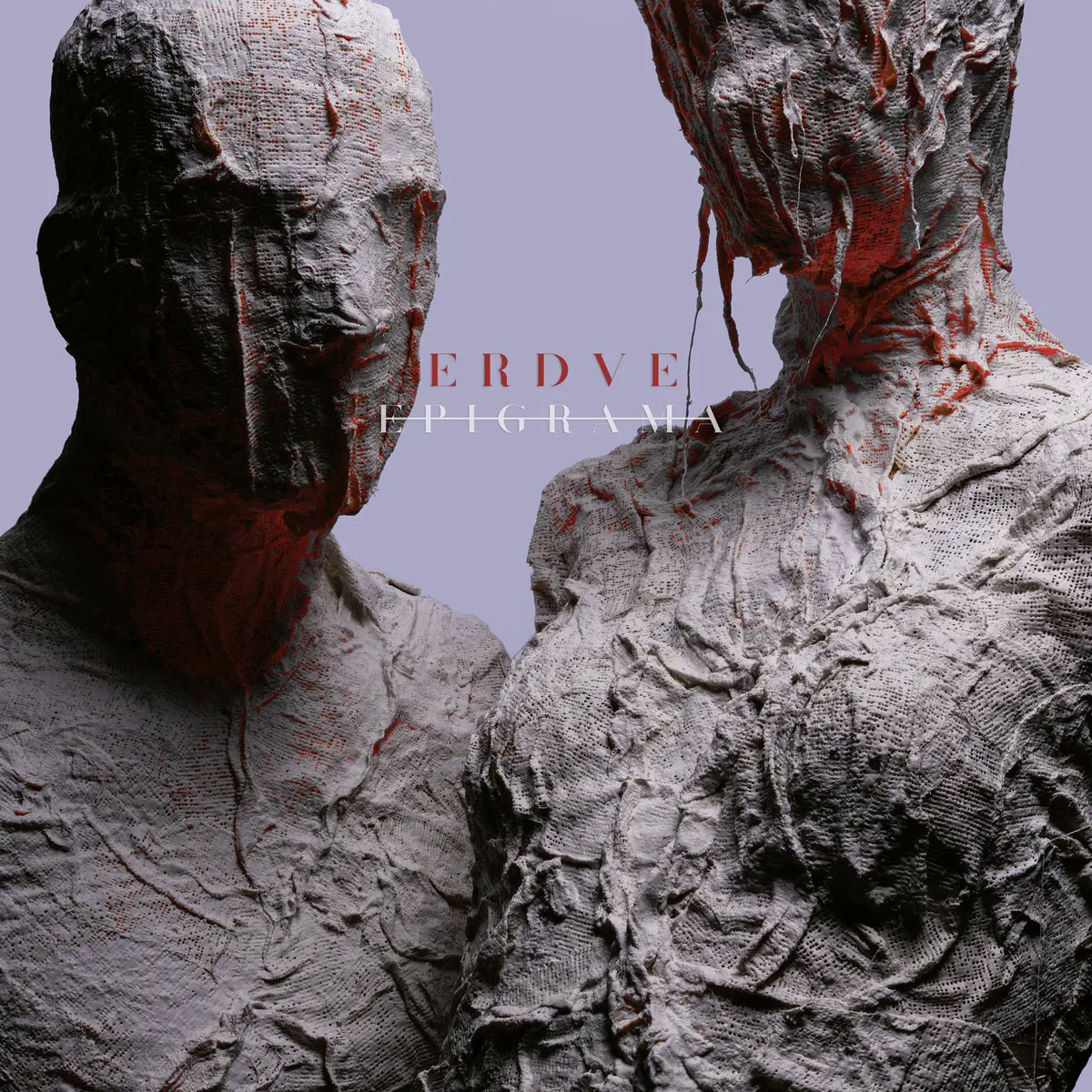
 Erdve do not sound like anyone else in the European extreme underground, and the structural reason is that they have always treated their albums as architecture rather than as collections of songs. Since the 2018 Vaitojimas debut the Lithuanian quartet (Vaidotas Darulis on vocals and guitar, Adomas Varnelis on guitar, Karolis Urbanavičius on bass, Valdas Voveraitis on drums) have made dissonant, blackened hardcore records that read more like long-form structural statements than like ten-tracks-and-a-cover. Epigrama, the third for Season of Mist and the first that they have produced, mixed and mastered entirely themselves, takes the conceptual frame the band has always worked with (this time entropy, regret and what the press materials call “psychological erosion”) and runs it through eight tightly interwoven compositions in roughly forty-two minutes. It is the most clinically engineered, most production-controlled Erdve record so far. Whether that serves the band is the question the album leaves open.
What is intact is the identity. Darulis’s vocals still dominate the centre with their pressed, guttural, articulate Lithuanian aggression. The two-guitar architecture (Darulis and Varnelis trading and stacking) still builds the dissonant chord-on-chord harmonic weight that has been the band’s signature since Savigaila. The bass still operates as foundation rather than as soloist. The rhythms still pivot on architectural breaks rather than on conventional verse-chorus moves. And the production decisions still favour density and weight over transparency, which has always been the trade-off the band has been willing to make.
What has changed is the loudness. The new self-mastered approach is pushed harder than the previous records, and across the album the dynamic motion that the songwriting keeps reaching for gets flattened by the limiter. The opener “Epigrama” sets the pattern: extreme modern compression, the drums gated and triggered-sounding, the kick clicking forward at the cost of physical weight, the cymbals cut for clarity rather than for air. “Nyra” thickens into a mid-wall that drowns the bass’s contour. “Skepsis” pushes the highs into a fatiguing harshness. The exceptions prove the rule: “Ydos” backs off the loudness ceiling and instantly sounds bigger, the drums sitting organically with a wooden snare crack, the guitars breathing into earthy saturation, the dynamic argument actually landing. It is the cleanest piece of evidence the album offers that the band’s compositions deserve more headroom than this master gave them.
The structural payoff is real. Epigrama moves the way an Erdve record should move: across its forty-two minutes the album builds eight pieces that share weight and tension without repeating themselves, the Lithuanian vocal cycles between guttural pressure and atmospheric burial in the reverb, the dissonant harmonic vocabulary keeps finding new combinations. The closer “Skleistis” is the album’s most cohesive long arc, the master pushed to the edge and the limiter pumping audibly in the densest passages, but the compositional patience still showing through.
The recurring trade-off across Epigrama is loudness against dynamics, and it is the most pronounced in the band’s catalogue so far. The self-mastered approach pushes the limiter consistently to the edge: kick reads triggered with click-attack rather than physical low-end punch, snare sits dry and central with controlled-to-flat sustain, cymbals are cut for clarity at the cost of air and tend toward sibilant harshness in the densest passages. Rhythm guitars carry the dissonant chord-on-chord saturation in two-guitar architecture with decent string separation in mid-tempo riffs and loss of definition at speed; bass operates as a deep foundation with mid-range bite that gets masked when the guitar wall thickens. Darulis’s pressed-guttural Lithuanian vocals sit consistently forward and intelligible across the album. The mix puts atmosphere and weight ahead of transparency, with low-mid frequency stacking around 250 to 400 Hz the recurring weakness on the densest tracks. The single clearest exception is “Ydos,” which backs off the loudness ceiling and breathes immediately: organic kick without artificial click, woody snare crack, earthy guitar saturation, no master pumping. “Raukšlės” is the most compromised cut, with extreme high-end compression producing tiring sibilance and a kick that loses physical weight.
Standout tracks: Ydos for the one cut that demonstrates how much room these songs need. Skleistis for the long-form closer where the compositional patience is most clearly audible. Epigrama (title track) for the cleanest version of the album’s defining structural device.
Erdve remain the most distinctive extreme band in the Baltics, and Epigrama is recognisably the band that made Savigaila even as the production has changed. The decision to self-master and to push for loudness is a real one, with the cost paid in the dynamic motion the writing keeps building toward; whether the next record steps back from that or whether this is the new Erdve sound is the next thing to watch. In Lithuanian erdvė means space, and that is what the master keeps taking away from a record that otherwise has space as its subject.