 Bandcamp
 Put this on at the volume you used for the last record you played and you will think something is broken. It is not. Across all five pieces this album sits several decibels below where almost everything else is mastered, far enough that the difference is not subtle and cannot be accidental.
So you turn it up. That is the whole design.
Once the level is where the record wants it, the room changes shape. The low middle is unusually crowded on every track, more than a fifth of the energy sitting in the band where bodies and buildings resonate, and at the volume the mastering has pushed you toward, that becomes physical rather than audible. A band called Death. Void. Terror. could have made the loudest record of the year. They made one that requires your consent and then uses it.
The five pieces are numbered and titled in a language that is not quite any language, each prefixed with a pattern of dashes and spaces. “I. (-- -- - -- -) Gözdyrey” and so on. Whether the dashes encode something or just look like they might is the sort of question this band leaves open on purpose. The duo have been anonymous since around 2018, working in the orbit of what they call the Jünger Tumilon cult, and the withholding is consistent enough to read as discipline rather than mystique.
Inside that frame the record does move. “III. Asgadon Odewäl” is the one with room in it: the brightest piece here, the one with the widest gap between its quiet and loud passages, and the point where the album briefly behaves like something with a floor and a ceiling. “V. Daphnyr” closes at the opposite end, the darkest and lowest of the five, with barely anything happening above the midrange at all. That the last thing you hear is also the most buried is not an accident either.
What stops this from being an exercise is that the low levels are not an absence of decisions. There is real weight here, and it arrives the way weight arrives in a building rather than in a mix: gradually, structurally, and without asking whether you are ready.
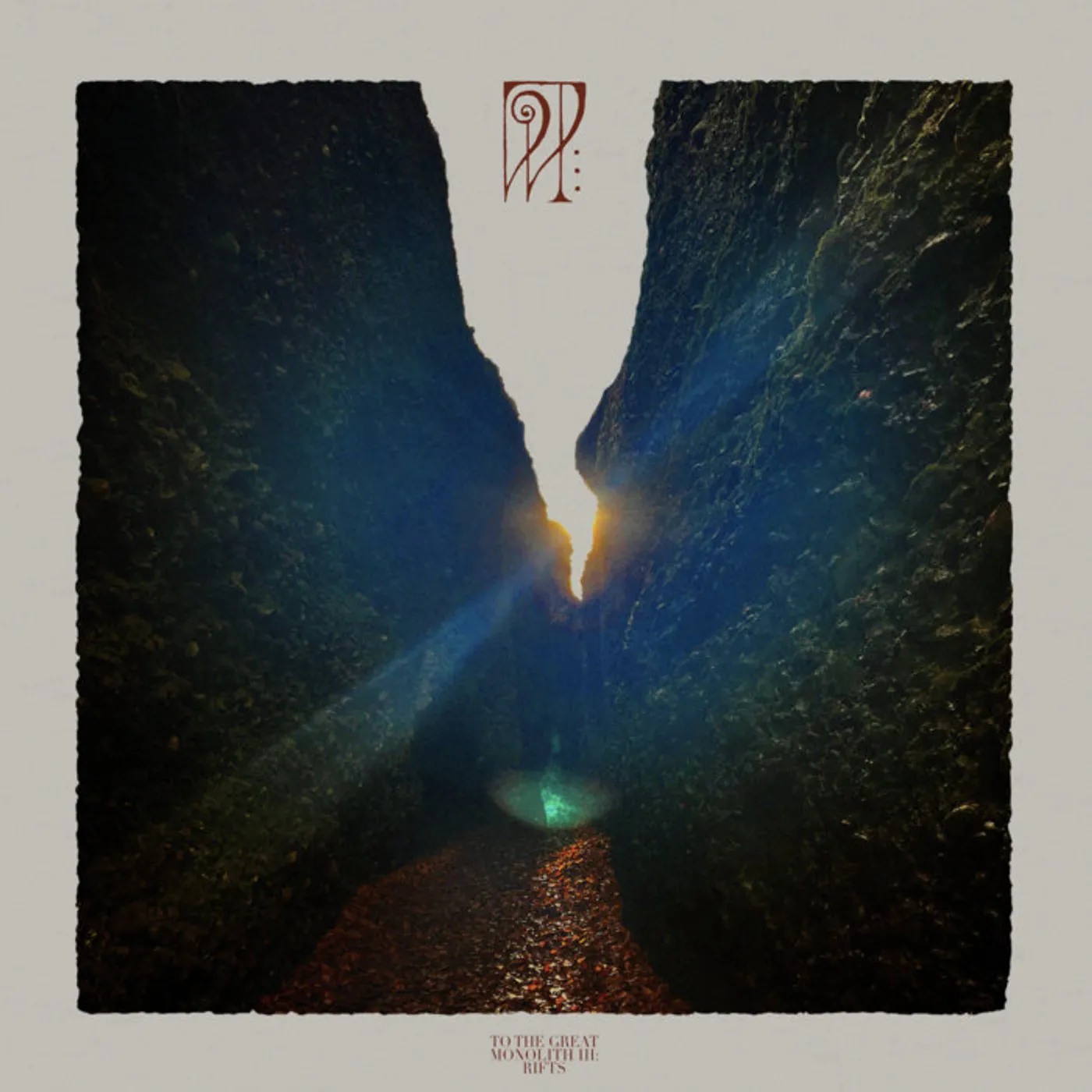
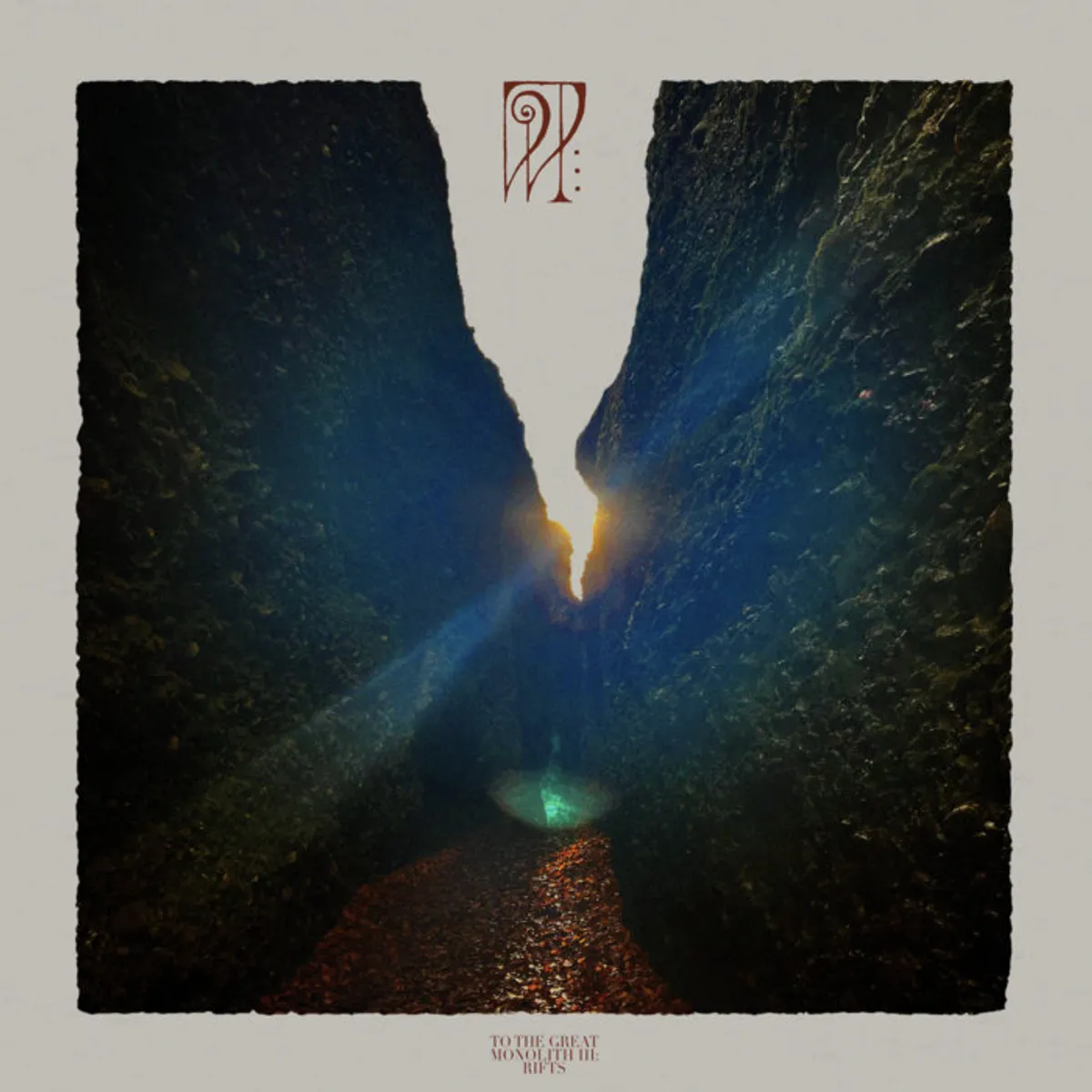
The sleeve is the most literal thing about the record and the best argument for it. A narrow gorge shot from the floor, two rock faces leaning in until they almost meet, and a thin seam of light where they do not. Rifts. The way through is also the only place anything gets in.
Five years since the last full length, and what came back does not sound like a band trying to be heard. It sounds like something that has decided you can come closer or not.
The defining measurement here is level, and it is not close. All five pieces sit far below the loudness almost every other record we have measured this year is mastered to, which on a first play reads as a fault and on a second as an instruction. The tonal picture is dark throughout, with an unusually large share of the energy concentrated in the lower middle on every track, and almost nothing reaching into the upper register. “III. Asgadon Odewäl” is the one departure: brightest of the five, with by some margin the widest range between its softest and loudest passages, which is why it feels like the piece where the album opens a window. The closer runs the other way, darkest and most compressed into the low end. Nothing here is loud, and that turns out to be the point rather than the problem.
Standout tracks: III. Asgadon Odewäl, V. Daphnyr