 Bandcamp
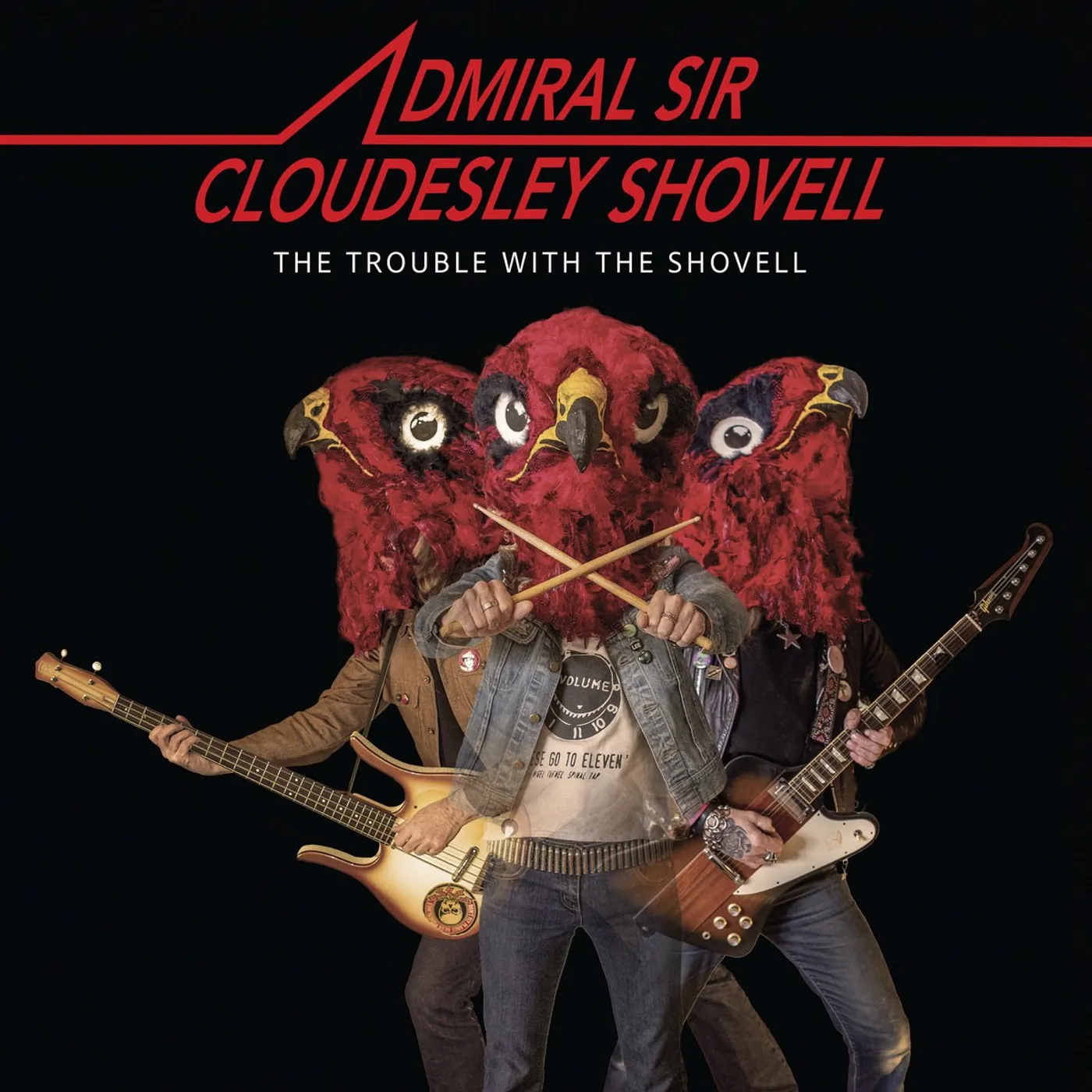
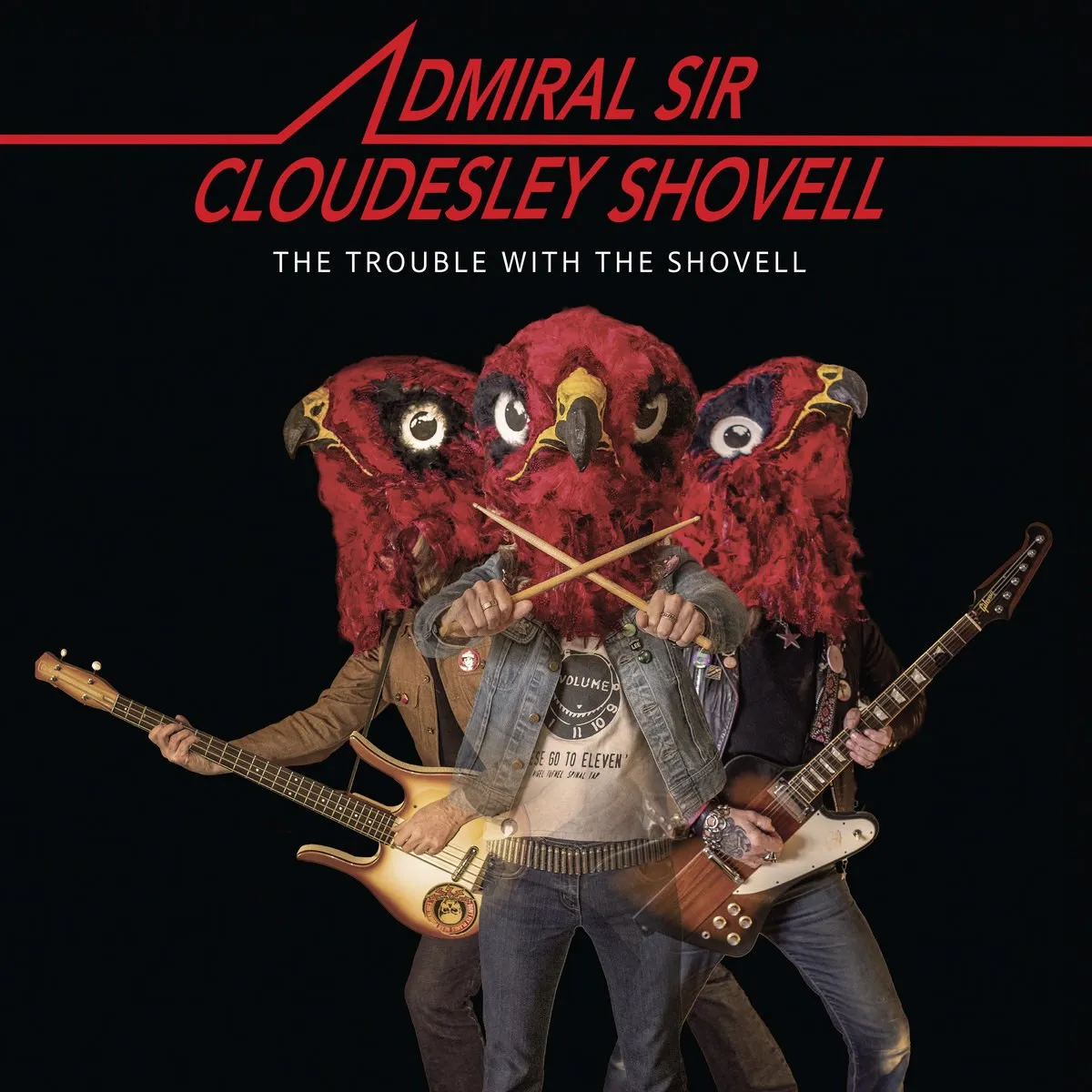
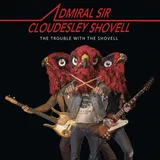
 Admiral Sir Cloudesley Shovell are a Hastings, East Sussex hard-rock trio working out of the productive corner of British heavy music that’s spent the last fifteen-plus years refusing to chase modern trends. The Trouble With The Shovell, released April 24 on Rise Above Records (Lee Dorrian’s long-running underground imprint, home to Cathedral and Electric Wizard alumni), is the band’s fifth studio LP and the first in seven years -- the longest gap in their catalogue by considerable margin since Very Uncertain Times (2019). Johnny Gorilla (guitar/vocals), Louis Comfort-Wiggett (bass) and new drummer Glen Stebbings; nine tracks across roughly thirty-eight minutes.
The band’s own framing of the project is unambiguous: “In a world that seems to be constantly searching for the next big, shiny and exciting thing, Admiral Sir Cloudesley Shovell are sticking proudly with balls-out rock’n’roll. Formed in 2008, this scabby-knuckled, booze-sodden trio have never been remotely inclined to follow trends or conform to the cool kids’ idea of what rock should be.” That’s the statement-of-purpose, and across the nine tracks the album delivers on it.
Nine Pieces of Refusal
The track listing reads as the album’s character in compressed form -- Laughing Gravy, A Better Day, Sideways Barnacle, Head In A Noose, Kind Boy, Slayed In Full, First City Seconds, Blue Mountain Dust, Another Greasy Spoon. Working-class British titles, no philosophical framing, no conceptual pretension. The longest cut is “Blue Mountain Dust” at five and forty-six; most pieces sit in the three-to-four-and-a-half-minute range. This is the rock-song-shape the band have built across five LPs, and they’re not interested in expanding it.
“Laughing Gravy” opens the album at four minutes -- the band’s vocabulary clear immediately: a gnarly overdriven bass dominant in the low end, mid-saturated fuzz-leaning guitars, dry-and-acoustic drums with natural snare punch, shouted rough vocals positioned middle of the mix. “A Better Day” at three and twenty-one tightens that into a faster cut. “Sideways Barnacle” at three and forty-two stays in the band’s punk-leaning territory.
“Head In A Noose” at four and fifty-six pulls into more atmospheric mid-tempo work, the closest the album gets to the heavier doom-adjacent sound that Rise Above’s wider catalogue suggests. “Kind Boy” at three and thirty-four is the album’s tightest pop-leaning piece -- and probably the album’s clearest argument that the band can still write hooks fifteen years deep. “Slayed In Full” at five and nine pulls into the album’s most ambitious arrangement.
“First City Seconds” at three and forty-one returns to the band’s working-class garage-rock vocabulary. “Blue Mountain Dust” at five and forty-six is the album’s centrepiece -- extended structure, more breathing room than the rest of the runtime, lead guitar work that gets the most spotlight on the album. “Another Greasy Spoon” closes the record at four and seven, the band’s title-summarising final statement.
What Works
The album’s identity is the production-aesthetic refusal -- no brick-walled mastering, no triggered drums, no surgical instrument separation, no contemporary digital edges on the guitars. The Rise Above house sound (rooted in the label’s ’90s/early-’00s Cathedral catalogue and never quite updated for modern aesthetics) is exactly what the band want, and they sound at home in it. Mastering is restrained, drums are acoustic and dry, vocals sit in the middle of the mix with rough texture rather than placed above with sterile clarity.
The reservations are the productive flip side of the same identity. The fuzz-saturated guitars accumulate the standard frequency stacking in the low-mids; the bass occasionally dominates the rhythm-section pocket at the expense of kick definition; vocal intelligibility suffers in the densest passages where the band’s grease-rock-against-fuzz aesthetic puts them in direct frequency competition with the rhythm guitars. None of that breaks the record -- these are within-genre quibbles for a project that has spent fifteen years refining its position.
Three Stars, Honestly
The honest read: this is a confident, committed fifth album from a band that knows exactly what it is, and it earns its place in the Rise Above catalogue without trying to push beyond the territory they’ve already mapped. What the album doesn’t do -- push into doom-adjacent heaviness, lean into the psychedelic underground, try anything stylistically surprising -- is exactly what it’s not trying to do. For listeners who want British heavy-rock that refuses contemporary polish, The Trouble With The Shovell lands. For listeners hoping the seven-year gap meant stylistic expansion, the album confirms it didn’t.
Nine tracks across about thirty-eight minutes, released April 24, 2026 on Rise Above Records. Mix philosophy across the album is deliberately lo-fi-leaning garage-rock: heavily distorted, gravelly bass dominant in the foundation, mid-saturated fuzz-leaning guitars with chord articulation present but blurred on the densest passages, dry-and-acoustic drums with natural snare punch and a wooden kick attack, cymbals raw and unfiltered in the upper frequencies. Shouted rough vocals sit middle of the mix, occasionally fighting for intelligibility with the rhythm-guitar frequency overlap. Mastering loudness is restrained -- no brick-walled compression -- which lets the band’s dynamic argument (extended bass-intros, structural breaks, lead-guitar passages) actually register. The album’s recurring trade-off is the standard genre one at this register: frequency stacking in the low-mids on the densest passages limits string definition; the kick occasionally loses attack to the dominant bass. The Rise Above production aesthetic is consistent across the runtime as deliberate stylistic commitment rather than engineering inconsistency.
Standout tracks: Blue Mountain Dust for the five-and-forty-six-minute centrepiece’s extended lead-guitar work. Kind Boy for the tightest pop-hook-leaning piece on the album. Slayed In Full for the most ambitious single arrangement.
Worth your time if you appreciate British heavy-rock that takes the production-aesthetic refusal seriously and operates inside the Rise Above continuum without modern updates. The Trouble With The Shovell is the kind of fifth album where the band have decided what they are after fifteen years, accepted the seven-year gap as preparation rather than departure, and made the record their catalogue suggests they should make.