 Bandcamp
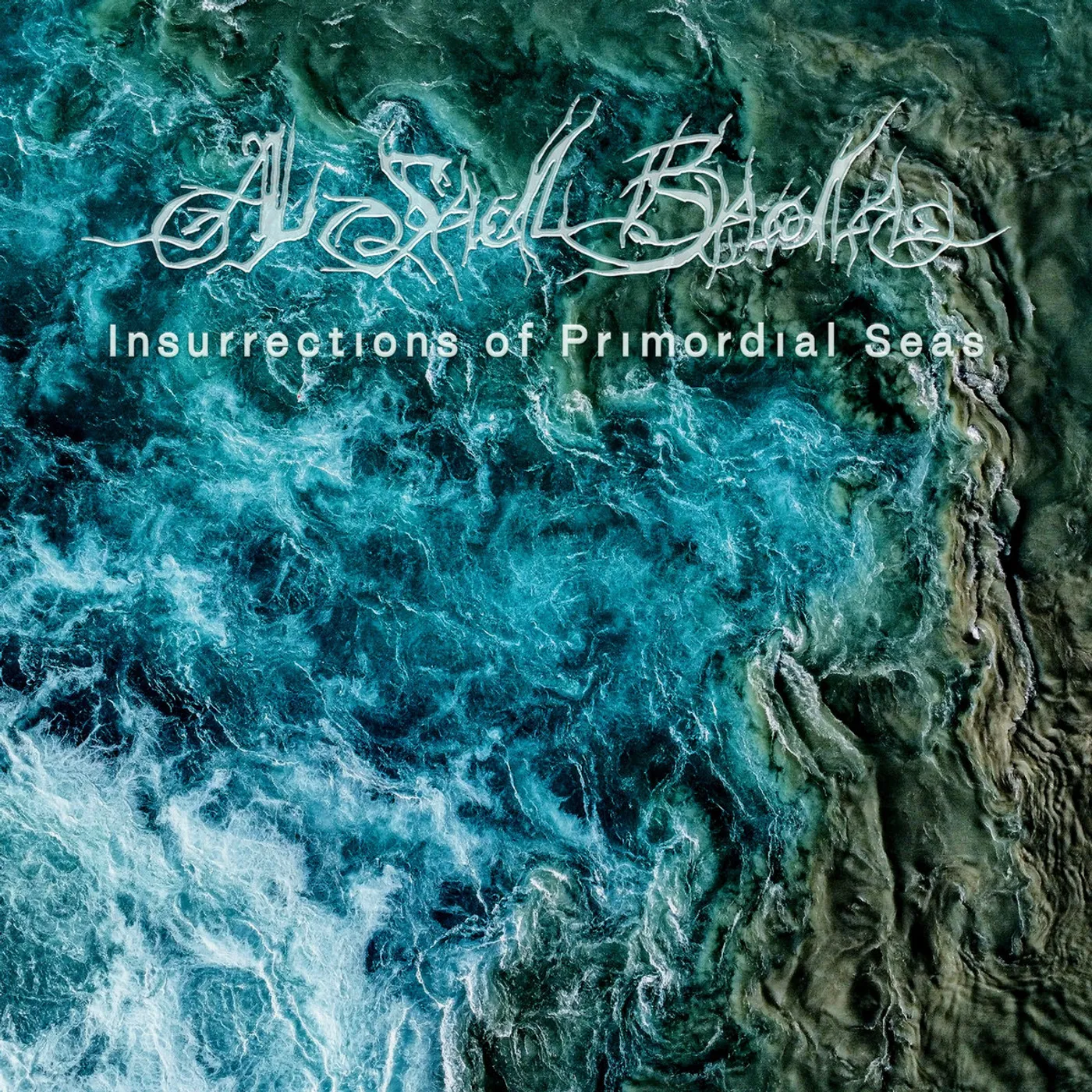
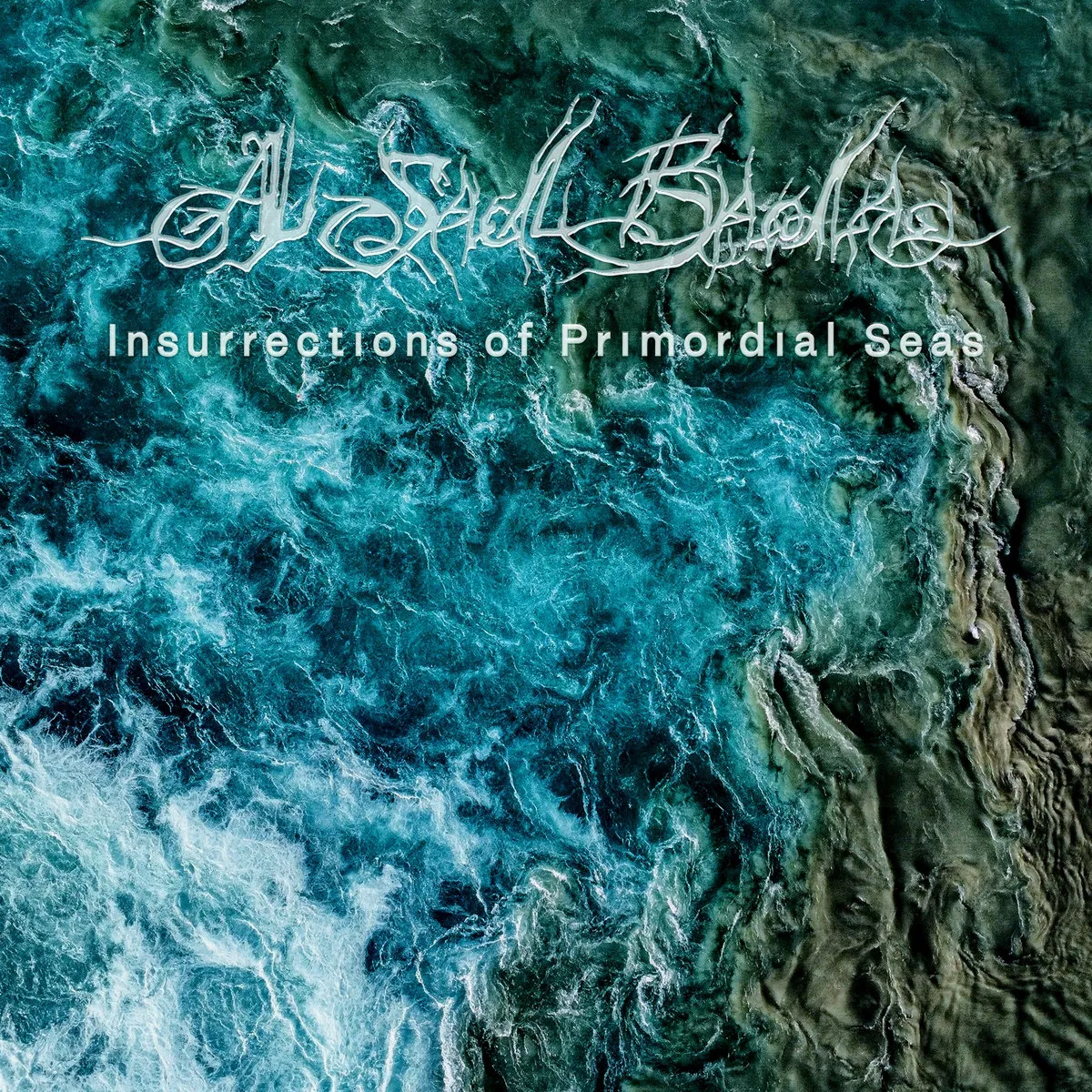
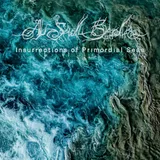
 The sleeve is an aerial photograph of water meeting rock, shot straight down so the turquoise fills almost the whole frame and the land is pushed to one edge. It looks like the sea and it is not. The band told us what it actually shows: the confluence of the Baker and the Nef in the Aysén region, where Chile’s most powerful river meets a torrent coming off a glacier. That matters for a record called Insurrections of Primordial Seas. The image on the front is fresh water, a long way inland and a very long way south of the band’s own Santiago, and it is still the most oceanic thing you will see this year. The album works the same way: it is named for the sea and it is really about pressure meeting pressure.
Fernando Figueroa, David Sandoval, Eduardo Rojas and Alejandro Ossandón have been at this long enough to know what they want from a sludge record, and Insurrections of Primordial Seas delivers it with real weight. What it does not quite deliver is variety.
The bookends
“Primordial Sea” opens the album in ninety five seconds and is unlike anything that follows it: nearly half its energy sits below 250 hertz, it is the darkest thing here by a wide margin, and it moves far more freely between quiet and loud than the four songs after it. It is an introduction that actually introduces something, which is rarer than it should be.
“Mareah” closes on nearly ten minutes and is the only other track that behaves that way. It brings in a guest voice from Jozadelrio and synths from Eduardo Poblete, it opens the widest distance between its soft and loud passages on the record, and it is the one place where the band let something other than guitars carry a section. It is also, not coincidentally, the best song here.
Four songs that will not separate
Four tracks, “Eclipse”, “Oath to the Fallen”, “Greed and Seed” and “Grim Disease”, and they hold a tonal picture so close together that you could swap them in the running order and nobody would notice. Their tonal centres sit within eighty hertz of each other. Two of them stay inside eight decibels between their quietest and loudest moments, which for sludge built on contrast is tight.
That is not a production failure. Sergio Rojas recorded, mixed and mastered the album at Nihil Records and it sounds like a band in a room: the guitars are saturated without collapsing, the bass is audible as a separate thing, and the low middle is heavy without turning to porridge. The problem is further upstream. “Grim Disease” runs over ten minutes and has the second narrowest range on the album, which means ten minutes of holding a single position. On a thirty eight minute record that is a quarter of the running time spent not moving.
So
Worth hearing for the two ends, and the caveat is the middle. When this band change something, a register, a guest, a texture, they are genuinely good, and “Mareah” is the proof. When they do not, four songs blur into one long one. If you want to know whether A Sad Bada are for you, play the opener and then jump straight to the closer. If those two work on you, the middle will reward a second pass. If they do not, the middle will not rescue it.
The album divides into two outliers and a uniform block. “Primordial Sea” carries forty eight percent of its energy below 250 hertz against twenty to twenty three for everything else, holds the lowest tonal centre on the record at just over a kilohertz, and opens seventeen decibels between its quietest and loudest passages. “Mareah” is the widest at nineteen decibels and sits several hundred hertz below the middle four. Those middle four, “Eclipse”, “Oath to the Fallen”, “Greed and Seed” and “Grim Disease”, land within eighty hertz of each other on tonal centre and within three percent on every frequency band, with quiet-to-loud distances between seven and fourteen decibels. “Greed and Seed” and “Grim Disease” are the narrowest of all at seven and a half and just over seven. Nothing is mastered flat, peaks keep eleven to thirteen decibels above average throughout.
Standout tracks: Mareah, Primordial Sea, Oath to the Fallen