 Bandcamp
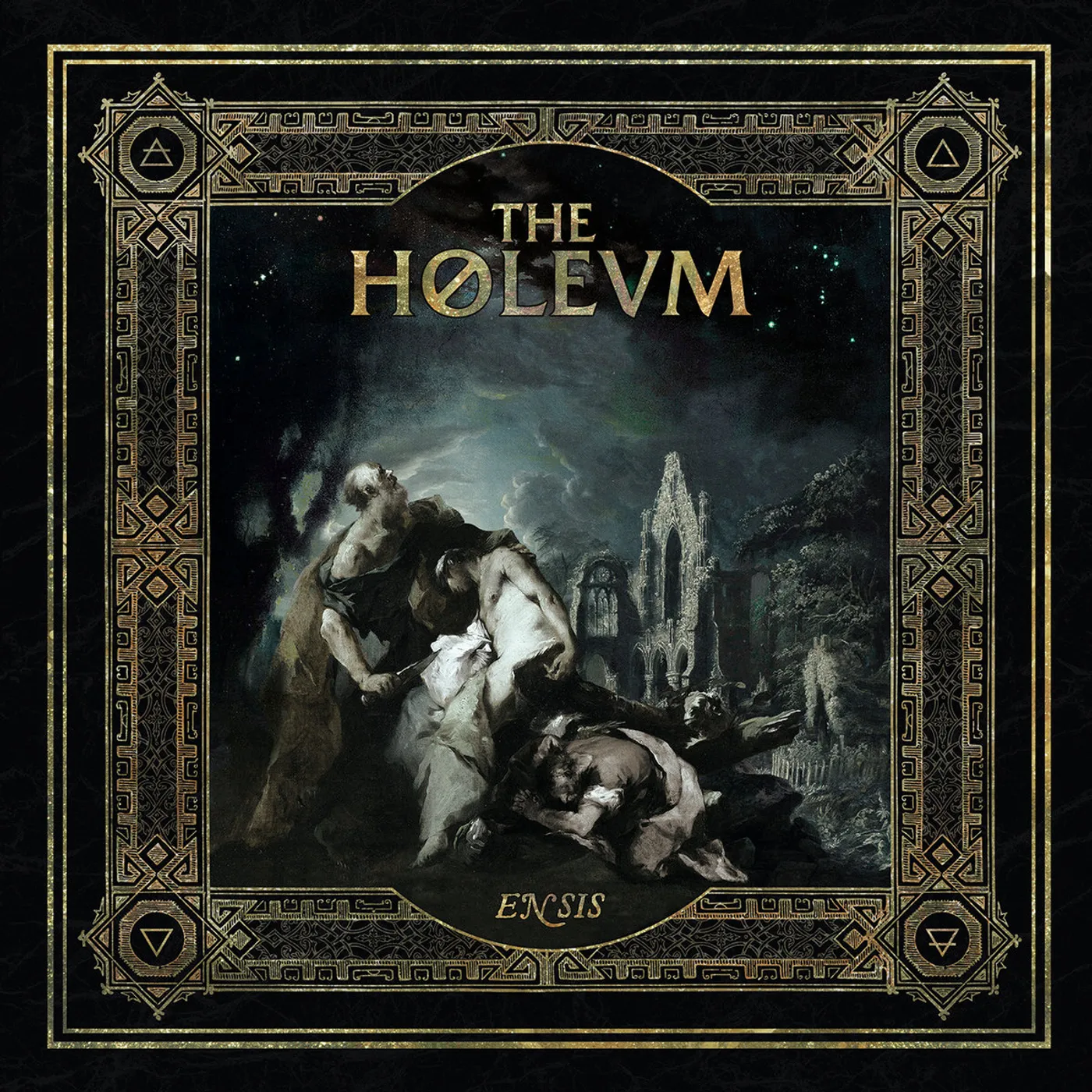
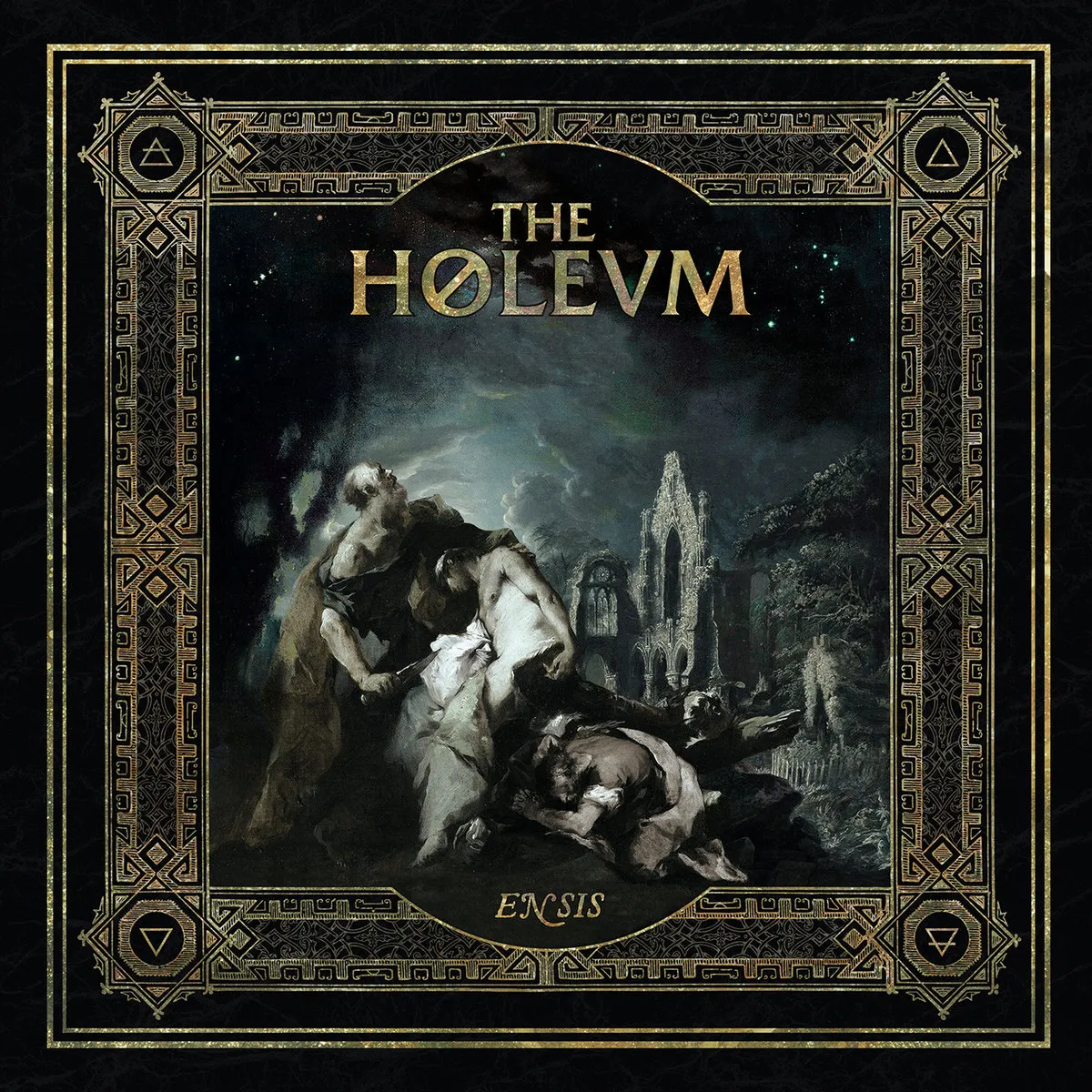
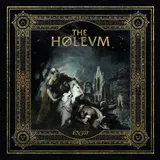
 The track titles tell you where The Holeum’s heads are at: “The Fermi Paradox,” “Cosmic Void Spheres,” “Hyperdimensional Physics,” “Geometric Congruence Vortex.” This is a band that reads physics papers and writes doom about them. Ensis, their third album on Lifeforce Records, runs seven tracks in 41 minutes, each one named after a concept that most metal bands would not touch for fear of sounding pretentious. The Holeum touch them anyway, and the music is dense enough to carry the weight.
The audio analysis reveals a tempo faster than the doom label suggests. The Holeum operate in the space between death metal’s forward drive and doom’s gravitational pull, the songs accelerating and decelerating within sections rather than settling into a single pace. The distortion is raw and textured, the harmonic complexity moderate, and the mid-range carries the bulk of the spectral energy. Daniel Gil recorded, mixed, and added synth arrangements at Siete Barbas Studio, and the production gives each element room without sacrificing density.
“Macrocosm + Microcosm” is the longest track at nearly eight minutes and the album’s most ambitious. The title’s duality plays out musically: passages of expansive, atmospheric guitar give way to tightly wound riff sequences that feel like zooming in from cosmic scale to quantum. The transitions between modes are where the songwriting earns its complexity, each shift serving the song’s internal logic rather than demonstrating technique.
Pablo Egido’s lyrics, the only words on the record, operate at a level of abstraction that matches the music. Without them printed on Bandcamp, the vocal delivery, which moves between death growls and cleaner passages, functions more as texture than narrative. That works in the context of an album whose subject matter is, literally, the structure of the universe. Specificity would narrow what the music does better as suggestion.
Karl Daniel Liden’s mastering keeps the loudness competitive without crushing the dynamic shifts that the longer tracks depend on. The synth layers from Gil add depth without cluttering, surfacing in the quieter passages and retreating when the guitars take over.
The production is balanced with mid-range focus, the distortion raw and dense. The tempo runs fast, reflecting the death metal influence that drives the faster sections. Bass frequencies provide weight without the sludgy dominance of slower doom records. The harmonic complexity is moderate, with the guitar work favouring riff clarity over atmospheric layering. Daniel Gil’s synth additions occupy their own spectral space, adding width in the quieter passages. Karl Daniel Liden’s mastering retains dynamic range across the seven tracks, which is critical for an album that moves between aggression and atmosphere within songs.
Standout tracks: “Macrocosm + Microcosm” for the eight minutes where the album’s ambition and execution align most fully. “The Fermi Paradox” for the opener that establishes the pace and the premise in under six minutes. “Geometric Congruence Vortex” for the closer that resolves the album’s tension without simplifying it.
The Holeum have been at this for three albums now, and Ensis feels like the point where the vision and the capability meet. Alicante is not the first city you associate with death doom, which is exactly the kind of assumption this band exists to break. The universe is large and mostly empty. The Holeum fill a corner of it with sound that earns the scale it claims.