 Bandcamp
 Quan tot s’apagui translates to “when everything turns off,” and Syberia have built an entire record around that moment. Five tracks, none under seven minutes, most over nine. The Barcelona quartet’s third album is their first entirely in Catalan, and the language shift matters. Every song title is a meditation on leaving. “En la foscor una llum que brilla” (in the darkness a light that shines). “Naixença d’una mort tranquil·la” (birth of a peaceful death). “Quan me’n vagi no em tanqueu els ulls” (when I go, don’t close my eyes). These are not abstract doom tropes dressed up in a Romance language. They read like a last will.
Syberia operate in the space between instrumental post-metal and post-rock, where the riff serves the movement rather than the other way around. Oscar Linares Rovira and JordiOnly weave guitars that build slowly from clean arpeggios into dense walls, Quim Torres’s bass carries the middle without ever drawing attention, and Manel Woodcvtter drums with the patience of someone who knows that impact comes from restraint. The only vocal presence is Lluís Soler’s spoken-word feature on the closer, and it lands exactly because four tracks of instrumental build-up earned the moment where words finally arrive.
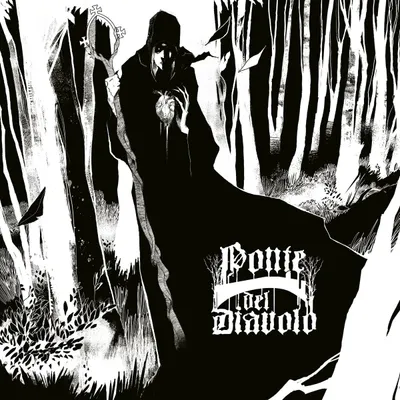
The production decisions say everything about what the band prioritizes. They recorded drums at Gaua Producciones with Gorka Dresbaj in April, tracked the rest in July, and sent the mix to Magnus Lindberg at Redmount Studios for mastering. Lindberg’s work on Ponte del Diavolo and Void of Light in the past year has set a standard for heavy records that keep dynamic range intact, and Quan tot s’apagui benefits from the same hand. The mastering pushes loudness but preserves the dynamic arcs that give the long tracks their shape.
What makes this release genuinely unusual is what came a week later. On February 6th, Syberia released Quan tot s’apagui (background sequences), a second full-length that is exactly what the title claims: the isolated instrumental layers the band plays over during live shows, released as a standalone record so anyone can hear what their live set actually contains beyond four musicians on stage. The transparency is rare. Most bands use backing tracks in concert and pretend they don’t. Syberia hand you the files and say, here, this is what was going through the PA behind us. It reframes the main album as the performed layer on top of a bigger, pre-authored sonic world, and it invites the kind of scrutiny most acts would run from.
The tracks themselves move through the vocabulary the band have built across two previous records but with heavier stakes. Opening track “En la foscor una llum que brilla” spends its first two minutes on a clean ambient build before the wall arrives, and when it arrives it stays. The riffs do not cycle quickly; they dwell. “Naixença d’una mort tranquil·la” pulls in the record’s widest dynamic range, a clean passage in the middle that could have been a separate song if the band were less committed to the long-form arc. “Dins la meva ànima la sang em bull” (in my soul my blood boils) is the most confrontational track on the album, the guitars locked into a grinding low-mid territory that recalls Catalonia’s other great long-form heavy band, Sotabosc, though Syberia take the mood in a more cinematic direction.
The closer is where the record resolves. “Quan me’n vagi no em tanqueu els ulls” runs just over ten minutes, and Lluís Soler’s spoken-word delivery, positioned carefully in the mix between the guitar walls and the ambient spaces, carries the final statement. His voice is measured, not dramatic, the tone of someone speaking to family rather than an audience. The track earns its length by refusing to rush toward the ending that the lyrics describe, and when the last note fades it feels less like an album closing than a door being left open.
The mix is dense, frontal, and on the loud side, with guitars occupying the foreground across wide stereo panning and a bass that sits in low-mid territory, giving the record its weight but occasionally smearing the definition in the densest passages. Drums are recorded with room presence and punch, kick articulate, snare with a sharp crack, cymbals controlled without going harsh. The dynamic range is preserved where it matters: the shifts between ambient clean passages and wall-of-sound sections carry real contrast rather than just volume jumps. Harmonic complexity runs high throughout, reflecting layered guitar work and synth overlays. Loudness is pushed to contemporary post-metal levels but Lindberg’s mastering keeps enough headroom for the quieter passages to breathe.
Standout tracks: “Quan me’n vagi no em tanqueu els ulls” for the closing track that earns its spoken-word payoff through four tracks of instrumental build. “En la foscor una llum que brilla” for the opening statement that teaches you how to listen to the rest. “Dins la meva ànima la sang em bull” for the heaviest territory on the album, where the long-form approach pays off in cumulative pressure.
Quan tot s’apagui is a record about ending. That is a weighty thing to build an album around, and Syberia handle it without slipping into melodrama. The language is Catalan, the scope is international, and the decision to release the backing sequences as a companion piece is the kind of honesty most bands would find inconvenient. When everything turns off, this is what stays.