 Bandcamp
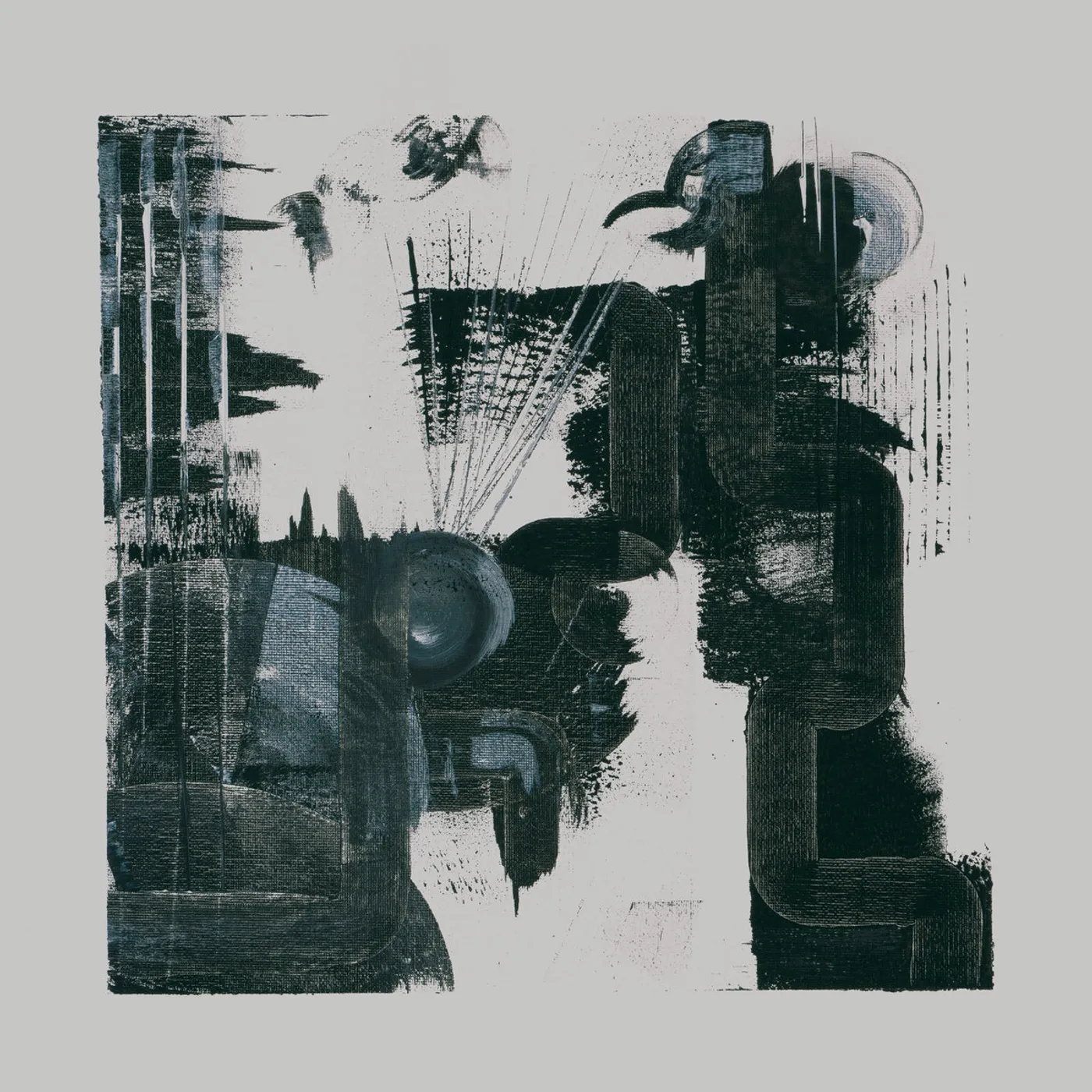
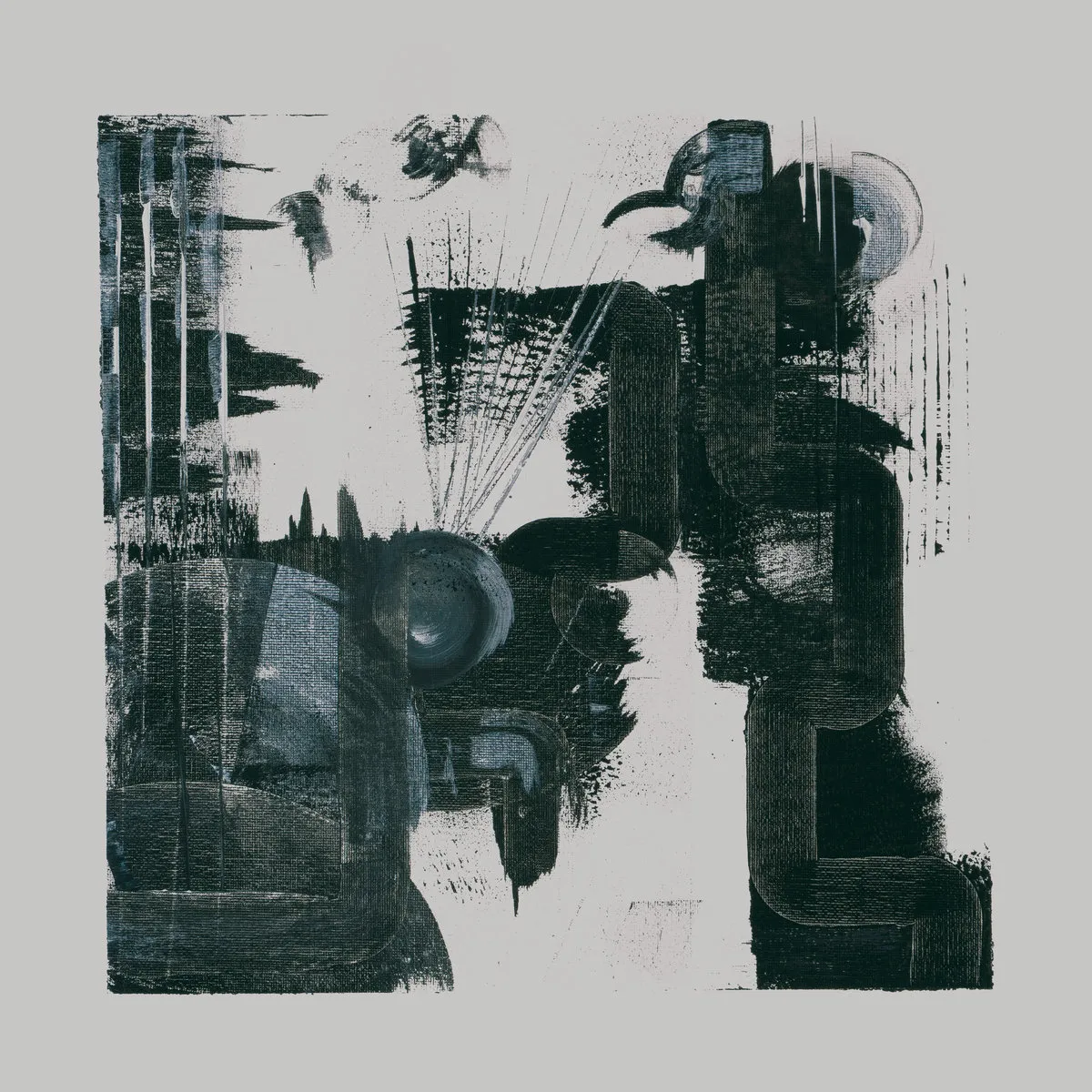
 The press release for Poly-Math’s fifth full-length is a particular kind of artist statement. The Brighton quartet, on a fresh deal with The Laser’s Edge, frame Something Deeply Hidden as a turn into “ethio-jazz, classic prog, math-rock and post-rock,” with seven instrumental tracks named for concepts from physicist Sean Carroll’s quantum mechanics treatise. The album cover is an abstract expressionist oil painting by guitarist Tim Walters. The track list is a procession of ideas: “The Universe as an Engine,” “One/Two/Three/Four Body Problem,” “Euthyphro Dilemma,” “Terror Management Theory.” This is the kind of album that comes with a thesis.
The audio tells a different story. Something Deeply Hidden is, more than anything else, a record built around dense, mid-heavy walls of sound, processed drums with a hard click on the kick, distorted bass that fuses with the low end rather than carving its own line, and a mastering loudness that flattens dynamic transients across most of its forty minutes. The moments of breathing space are carefully placed and well-earned, but they are minutes apart from each other in a record where the wall is mostly the default state. Listeners coming to Something Deeply Hidden expecting the math-rock chamber sound of older Poly-Math records (the Don Caballero / Battles / Tortoise lineage that “math-rock” usually points to) will hear something closer to industrial-noise-metal with prog architecture buried under the saturation.
This is not a failure of intent. The lo-fi aesthetic on “Euthyphro Dilemma,” with its frequency-stacked 3 to 5 kHz range and vocals (yes, the album has vocals on parts of it, despite the instrumental press framing) buried as a rhythmic texture rather than a focal point, is consistent enough across the record to read as a deliberate production choice. Mark Roberts and the band’s own self-production at Brighton Electric have committed to a sound that rewards loud, focused listening on good headphones and punishes background-music play. The prog architecture is there. The compositional ambition is real. “No Such Thing as Now” runs seven and a half minutes and earns its length. “Terror Management Theory” pushes past eight and shows what Poly-Math can do when they let a long-form structure breathe.
What separates this record from a clean recommendation is the gap between what the band have made and what the genre frame asks for. If the press release said “industrial post-rock with math-rock bones, mixed loud, intentionally raw,” I would have come to the album with the right ears. The actual frame (“ethio-jazz, classic prog, math-rock”) sets up an expectation of dynamic chamber music that the master tape does not deliver. That gap is the album’s most consistent feature, and it costs the record some of its readability.
The Laser’s Edge is a long-running American prog label and the signing makes sense for Poly-Math’s compositional ambition, even if the production is the most aggressive thing the label has put out in a while. Listeners who care about the prog and math-rock lineage will hear the architecture; listeners who want the lo-fi industrial aesthetic that the audio actually delivers will find the record’s commitment to its sound consistent across forty-plus minutes. Both readings are real, and the disconnect between them is the question Something Deeply Hidden leaves open.
The mix is dense, mid-focused and pushed at modern mastering loudness across the seven tracks. Guitars carry heavy saturation with periodic loss of string definition in complex passages, while bass functions as low-end support that fuses with the kick rather than holding its own articulate line. Drums lean processed with a click-forward kick and a snare with short, metallic decay. Cymbals push toward harshness in dense sections. Vocals (where present) sit either far forward in the mix as compressed, saturated focal points or buried as rhythmic texture, depending on the track. Dynamic range is restricted by the master; the meaningful contrasts come from rhythmic breaks and hard stops rather than internal level shifts, and the lo-fi industrial aesthetic is consistent enough to read as the album’s intentional production choice rather than a flaw.
Standout tracks: “No Such Thing as Now” for the seven-minute piece that earns its length. “Terror Management Theory” for the eight-minute closer that lets the long-form prog architecture breathe. “Euthyphro Dilemma” for the most committed expression of the record’s industrial-leaning aesthetic.
Something Deeply Hidden is the kind of record where the artist statement and the master tape end up in different rooms. Worth your time if you can hear the production commitment as the project rather than the obstacle. Listeners who want the math-rock chamber sound the Poly-Math name historically signals will find the lineage less audible than expected. Listeners who like their prog architecture buried under industrial-noise saturation will find the record exactly the kind of thing they were looking for.